Why Montreal still captures hearts: culture, food, and urban energy
Montreal blends European charm and North American dynamism into a city that rewards curious travelers and engaged locals alike. Whether you stroll cobblestones in Old Montreal, cycle along the Lachine Canal, or hunt for the perfect bagel, the city delivers a rich mix of experiences that feel both timeless and newly vibrant.
Culture and neighborhoods
Montreal’s neighborhoods each have a distinct personality. The Plateau and Mile End brim with independent boutiques, murals, and cafés where francophone and anglophone cultures intersect. Little Italy and the Jean-Talon area showcase fresh markets and Italian cafes, while the eclectic shops and galleries of the Main (Boulevard Saint-Laurent) reflect the city’s creative pulse. Old Montreal offers historic architecture and riverside promenades, and a short climb up Mount Royal provides panoramic views that remind why the city was built around this natural centerpiece.
Food scene that keeps evolving
Food remains one of Montreal’s strongest draws.
Traditional icons like smoked meat, back-to-back bagel styles, and hearty poutine sit comfortably alongside an inventive restaurant scene that embraces plant-forward cuisine, global flavours, and nose-to-tail cooking. Neighborhood markets — particularly Jean-Talon and Atwater — are great places to sample local produce, Quebec cheeses, and artisanal goods. For quick urban bites, food trucks and the street-food culture have expanded, offering everything from Vietnamese bánh mì to creative takes on classic Québécois dishes.
Arts, events, and nightlife
Montreal’s calendar is dense with festivals and events that energize public spaces year-round. Music, film, comedy, and arts festivals transform streets into stages and parks into creative hubs. The city’s nightlife caters to many tastes: intimate jazz clubs, basement bars with DJs, craft beer taprooms, and live music venues feature local and international talent. Galleries and alternative art spaces make it easy to discover new artists outside mainstream circuits.
Getting around
Public transit is practical and increasingly user-friendly. The Metro connects major districts efficiently, and buses supplement routes where needed.
Bike-share systems and an expanding network of protected bike lanes have made cycling a viable option for many residents and visitors.
For those who prefer walking, compact downtown neighborhoods invite exploration on foot, with surprises around almost every corner.
Green priorities and urban living
Montreal continues to focus on improving green space and sustainable urban living.
Community gardens, tree-planting initiatives, and incentives for green roofs aim to soften the urban landscape and improve livability.
Waterfront redevelopment projects along the St. Lawrence and the Lachine Canal emphasize public access, recreation, and cycling paths that connect neighborhoods while encouraging active lifestyles.
Practical tips
– Embrace bilingualism: French is the primary language, but many people are bilingual; a few words in French are always appreciated.
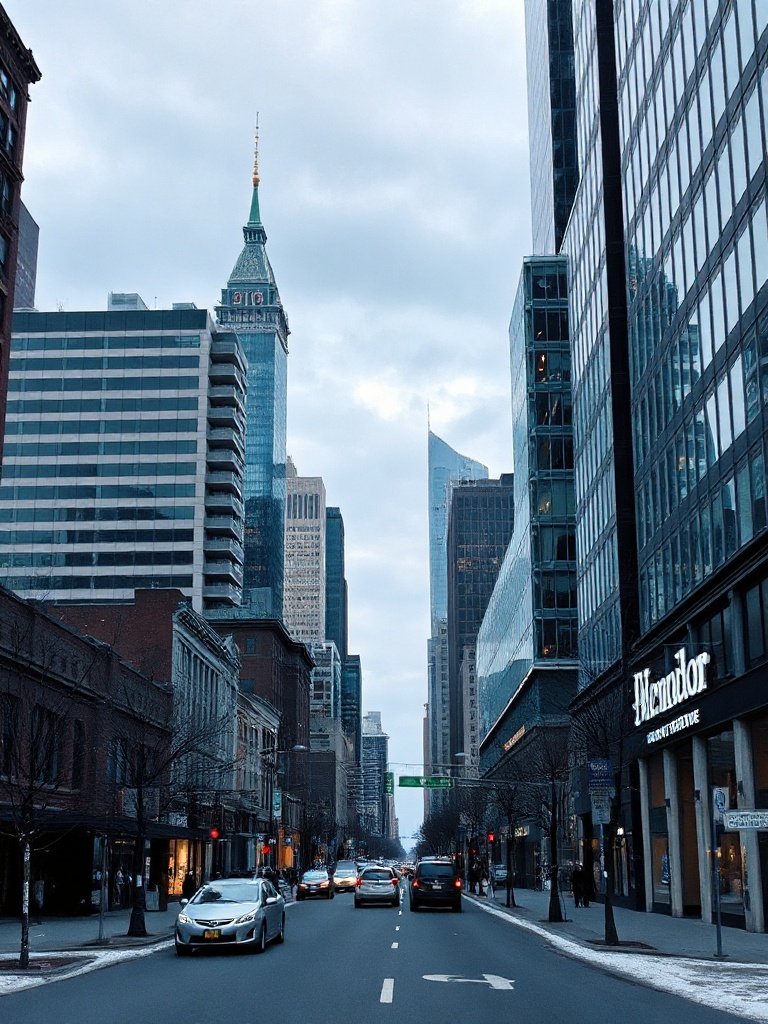
– Layer your wardrobe: Weather can swing quickly; comfortable walking shoes and a lightweight layer will keep you ready for anything.
– Explore beyond the obvious: Venture into side streets and local markets to find hidden cafés, independent bookstores, and neighborhood artisans.
Montreal remains a city that balances its storied history with forward-looking energy. It’s a place for food lovers, music fans, outdoor enthusiasts, and anyone drawn to diverse cultural life — a compact urban playground where discovery is always around the next corner.