Why Canada Belongs on Every Traveler’s List
Canada offers a web of landscapes and experiences that suit slow exploration and action-packed itineraries alike. From rugged coastlines and towering mountain ranges to vibrant cities and vast northern skies, the country invites travelers to mix outdoor adventure with cultural discovery.
Must-see landscapes and activities
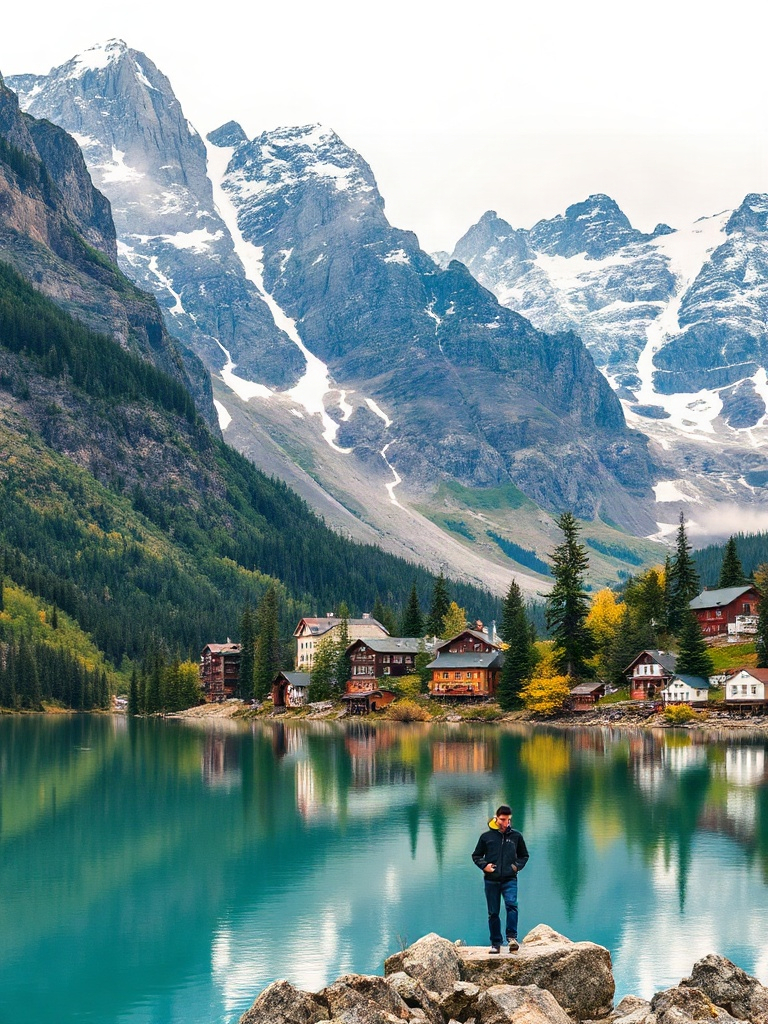
– Mountain adventures: The Rocky Mountains deliver world-class hiking, skiing, and glacier viewing. Scenic drives and alpine lakes provide picture-perfect stops for photographers and outdoor lovers.
– Coastal and marine life: Whale watching along the Pacific and Atlantic coasts, sea kayaking through fjords and glaciers, and fresh seafood dining highlight coastal itineraries. Island routes and lighthouses add maritime charm.
– Northern lights and wilderness: Northern regions offer spectacular aurora viewing, pristine trails, and opportunities to experience remote landscapes that feel far removed from everyday life.
– Scenic road trips: Coastal highways and island loops showcase dramatic cliffs, forests, and community-run inns—ideal for slow travel and local interactions.
City culture and culinary scenes
Major cities balance cosmopolitan amenities with local flavor. Urban centers are known for multicultural dining, craft breweries, lively arts districts, and farmer’s markets. Neighborhood walking tours, waterfront promenades, and bike-friendly routes make it easy to explore food scenes, galleries, and live music venues. Don’t miss trying regional specialties like fresh seafood on the coasts and hearty comfort foods in the interior.
Indigenous-led tourism and cultural experiences
Engaging with Indigenous-guided experiences adds depth and context to a visit. Contemporary cultural centers, guided nature walks, storytelling sessions, and artisan markets provide authentic perspectives on history, language, and land stewardship practices.
Booking through certified Indigenous-run operators supports communities and ensures respectful, meaningful encounters.
Practical travel tips
– Entry and documentation: Many visitors traveling by air need an electronic travel authorization; it’s wise to verify requirements before departure. A valid passport and travel insurance are recommended.
– Packing and seasons: Weather varies widely—layering, waterproof outerwear, and sturdy footwear are essential. Insect repellent is important for many summer routes; sun protection and hydration matter for hiking.
– Wildlife safety: Keep a safe distance from wildlife, secure food and waste, and carry bear spray where authorities advise. Respect posted guidelines in parks and reserves.
– Money and tipping: The local currency is the Canadian dollar. Tipping is customary at sit-down restaurants and for many service providers; 15–20% is common.
Sustainable travel practices
Sustainable choices enhance visits and protect landscapes. Use public transit and active transport options where available, choose certified eco-friendly operators, and support local businesses and community-run accommodations. Follow Leave No Trace principles in parks and sensitive habitats to minimize impact.
Planning and resources
National and provincial parks offer visitor centers, trail maps, and seasonal advisories.
Local tourism offices and operator websites provide up-to-date information on permits, guided tours, and accessibility services. Booking popular experiences in advance can help secure spots for guided hikes, wildlife tours, and cultural events.
Whether seeking solitude under the northern lights, culinary adventures in dynamic cities, or active days among iconic peaks, Canada rewards curiosity and responsible travel with memorable landscapes and welcoming communities.