Montreal blends European flair with North American energy, creating a compact, walkable city that rewards curiosity.
Whether drawn by the food scene, creative neighborhoods, or robust cultural calendar, visitors and residents find plenty to explore across this bilingual urban landscape.
Why Montreal stands out
A strong arts scene and lively street life give Montreal a unique personality. Historic architecture in cobblestoned Old Montreal meets bold murals and contemporary galleries in districts like Mile End and Griffintown. Festivals and performances happen frequently, so there’s always something on the calendar for music lovers, comedy fans, and art seekers.
Must-visit neighborhoods
– Old Montreal: Historic buildings, the Old Port waterfront, and atmospheric cafes make this a top starting point for newcomers.
– Plateau-Mont-Royal: Known for colorful rowhouses, independent boutiques, and vibrant cafés along Saint-Denis and Saint-Laurent.
– Mile End: A creative hub famous for bagel shops, record stores, and a thriving indie scene.
– Griffintown and Little Burgundy: Former industrial areas reinvented with trendy restaurants, lofts, and waterfront paths.
– Jean-Talon and Atwater Markets: Great for seasonal produce, specialty food stalls, and local flavor.
Food and drink
Montreal’s culinary identity is rich and diverse.
Classic local eats include smoked meat sandwiches and poutine, while its bagels—distinctly different from New York–style—are a must-try at St-Viateur or Fairmount. A thriving immigrant community fuels an array of authentic options, from Lebanese and Portuguese to Vietnamese and West African. Coffee shops, craft breweries, and innovative restaurants offer something for every palate. Farmers’ markets and food halls are ideal for sampling local products and artisanal treats.
Getting around
The city’s compact core makes walking a great way to discover neighborhoods. Public transit is efficient, with an easy-to-navigate metro system that connects major areas. Bike share programs and expanding protected bike lanes make cycling a practical option for short trips, especially in mild weather.
Rideshares and taxis are widely available for late-night returns.
Outdoor and leisure options
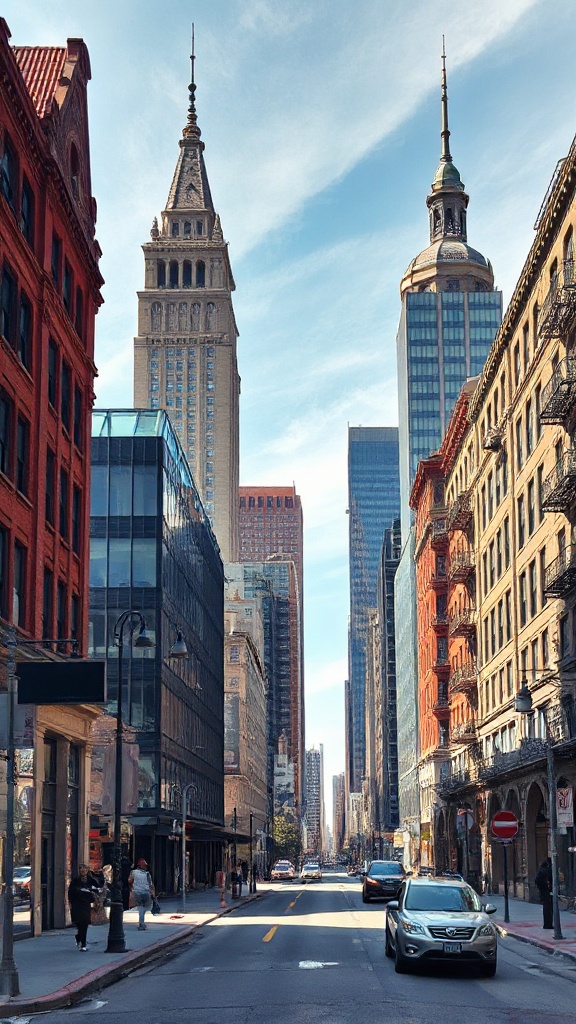
Mount Royal Park provides a central green retreat with viewpoints, walking trails, and seasonal activities that draw locals and visitors alike.
The Lachine Canal and waterfront paths invite leisurely bike rides and picnics. For architecture buffs, churches and historic mansions offer glimpses into the city’s layered past, while contemporary design and public art appear across neighborhoods.
Practical tips
– Language: French is the dominant language, and a few basic French phrases go a long way. English is widely spoken, especially in service and tourist settings.
– Tipping: Restaurant and taxi etiquette follows standard North American practice; tipping for table service is customary.
– Weather-prepared: The city experiences distinct seasons—layering and flexible plans work best for active itineraries.
– Local apps: Use transit and bike-share apps to plan routes and check service updates before heading out.
Montreal rewards attention to detail: a leisurely stroll down a side street can lead to a remarkable bakery, an intimate music venue, or a mural that tells a neighborhood story. The city’s blend of culture, cuisine, and approachable neighborhoods makes it easy to enjoy again and again.