Vancouver blends dramatic natural beauty with a compact, livable city core, making sustainable exploration both practical and enjoyable.
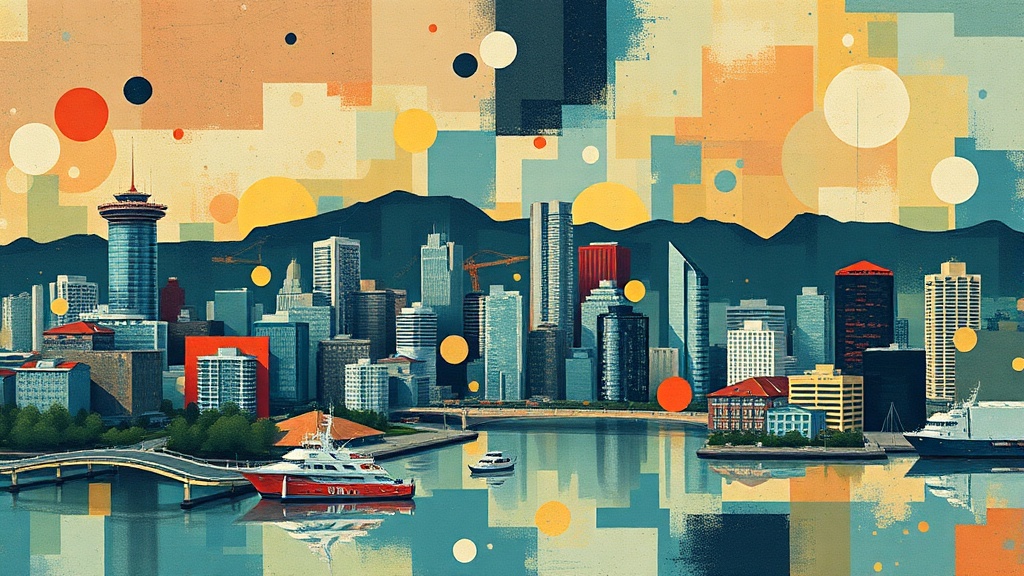
Whether you’re a visitor or a local rediscovering the city, choosing low-impact ways to get around highlights what makes Vancouver special: seawall views, lush parks, diverse neighbourhoods, and a thriving food scene.
Why choose sustainable travel in Vancouver
– The city’s layout favors walking, cycling, and transit: major attractions are clustered near the waterfront and downtown.
– Low-emission choices reduce congestion and let you experience the city at human pace—more time for discoveries like tucked-away cafes, public art, and waterfront lookouts.
Top transit and micro-mobility options
– Public transit: The regional transit network links downtown to the North Shore, suburbs, and airports. Use a reloadable transit card or mobile fare payment for convenient transfers between buses, SkyTrain, and SeaBus.
– SeaBus and False Creek ferries: Short water routes offer scenic commutes and connect key areas—downtown, Lonsdale Quay, and Granville Island—faster than road alternatives.
– Cycling: Dedicated bike lanes and the iconic seawall make cycling safe and scenic. Bike-share programs and local rental shops make one-way or hourly trips easy.
– Pedestrian-first zones: Many neighbourhoods are highly walkable; downtown, Gastown, and Coal Harbour are ideal for strolling between shops, galleries, and restaurants.
Must-see routes and neighbourhoods
– Seawall loop: A mostly flat waterfront route that circles Stanley Park and connects Coal Harbour, English Bay, and False Creek—perfect for a run, walk, or relaxed bike ride.
– Stanley Park: Old-growth trails, Totem Poles, and ocean viewpoints provide an urban-nature escape minutes from downtown.
– Granville Island and False Creek: Explore the public market, artisan studios, and hop on colourful water taxis to move around the inlet.
– North Shore trails: For accessible mountain and forest hikes, take transit or SeaBus across the inlet to trails with big views and fresh air.
– Cultural corridors: Wander Gastown for historic charm and design shops, Commercial Drive for multicultural eats, and Main Street for independent boutiques and coffee culture.
Sustainable food and drink experiences
– Farmers markets and public markets prioritize local, seasonal produce and reduce food miles—perfect for a picnic by the water.
– Seafood-forward menus showcase West Coast flavors; seek out restaurants and vendors that emphasize responsible sourcing.
– Coffee and craft beverage scenes are strong but choose independent cafes and breweries that follow local sustainability practices for a lower footprint experience.
Practical tips for low-impact exploring
– Layer clothing and bring a compact rain jacket—coastal weather can change quickly, and dressing for comfort keeps outdoor plans flexible.
– Carry a reusable water bottle and shopping bag; refill stations and markets are plentiful.
– Respect wildlife and park rules: keep distance from animals, stick to marked trails, and follow local recycling and composting guidelines.
– Time popular routes for early morning or late afternoon to avoid crowds while still enjoying great light for photos.
Choosing sustainable ways to experience Vancouver deepens your connection to the city’s natural setting and local communities. Slow down, prioritize place-based experiences, and you’ll find the city’s best moments are often the simplest—a sunny bench by the seawall, a ferry ride across calm water, a market-bought meal enjoyed with a view.