Vancouver’s blend of urban energy and outdoor access makes it one of the most livable coastal cities in North America.
From the seawall to the ski runs just across the inlet, the city’s compact geography and mild climate create a year-round playground for residents and visitors alike.
Outdoor life is central to Vancouver’s identity. The renowned seawall that traces Stanley Park offers an accessible loop for walkers, runners and cyclists with constant views of the water and skyline.
Just beyond downtown, False Creek and English Bay provide kayaking, paddleboarding and waterfront dining. For more rugged adventure, the North Shore mountains are minutes away by car or transit, with hiking, mountain biking and lookout points that reward early starts with sweeping panoramas.
Active transportation and sustainable transit shape daily life.
Cycling infrastructure has been expanded across key corridors, making bike commuting safer and more convenient.
Rapid transit investments continue to improve connections across the region, while ferry and commuter options link inner-city neighborhoods to coastal communities. These transportation choices go hand in hand with a broad civic focus on reducing emissions and supporting walkable, mixed-use neighborhoods.
Food culture reflects Vancouver’s multicultural makeup and the seasonality of the Pacific Northwest.
Farmers’ markets, including the famous public market on Granville Island, showcase fresh seafood, local produce and artisanal goods. Neighborhoods from Commercial Drive to Richmond offer diverse dining options, from high-end seafood restaurants to late-night noodle houses. Coffee culture is strong—local roasters and independent cafés remain a go-to for both quick meetups and remote work sessions.
The arts and film industries are major contributors to the city’s creative economy. A thriving gallery scene, live-music venues and film production activity bring cultural vibrancy and international attention. Public art and festivals frequently animate public spaces, reflecting both contemporary creativity and deep Indigenous traditions. Acknowledging and celebrating Musqueam, Squamish and Tsleil-Waututh Nations is an increasing priority in public projects and cultural programming across the city.
Housing and affordability remain central topics in local discussion. Policies aimed at increasing housing supply, diversifying neighborhood zoning and supporting rental options are part of ongoing municipal and regional strategies. These conversations are linked to broader planning goals that prioritize green space, transit-oriented development and community amenities.
Green initiatives are visible at the neighborhood level.
Community gardens, tree-planting programs and stormwater management projects contribute to resilience against extreme weather while enhancing urban biodiversity. Building retrofits and incentives for low-emission vehicles reflect a municipal push to decarbonize transportation and housing stock.
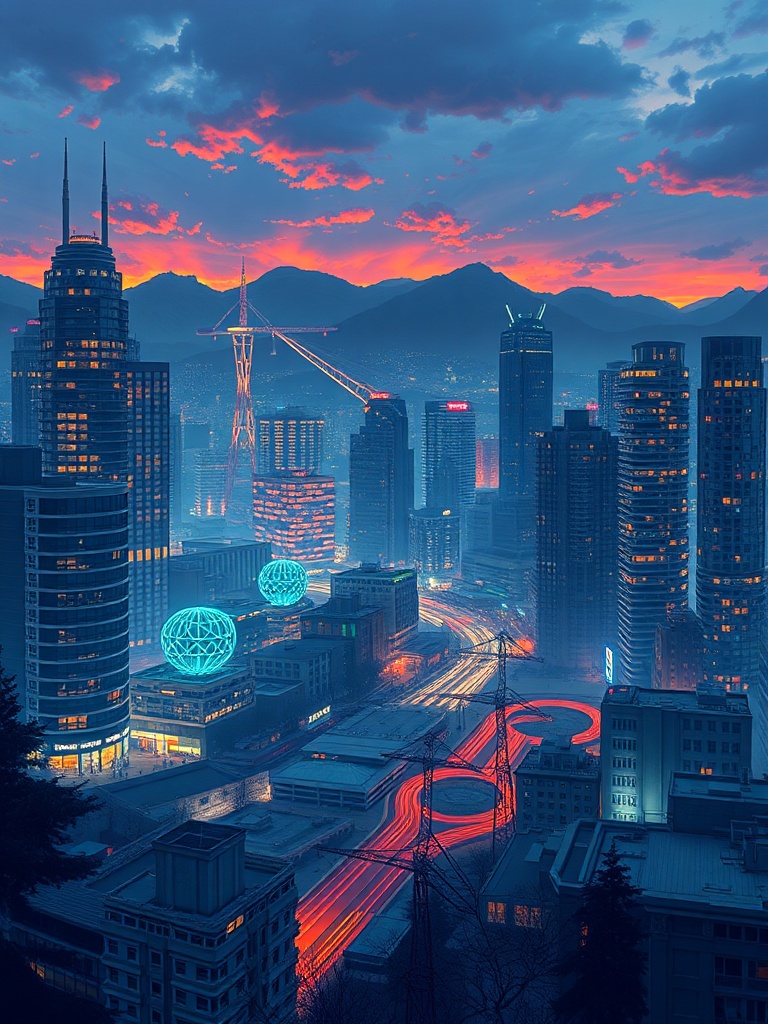
For visitors planning a stay, a practical approach makes the most of Vancouver’s contrasts: pack layers for variable coastal weather, bring comfortable walking shoes, and build time into the itinerary for both city neighborhoods and nearby natural attractions. The combination of outdoor activity, diverse culinary scenes, and cultural offerings ensures that every visit can feel both relaxed and richly rewarding.
Whether exploring the seawall at sunrise, sampling market-fresh seafood, or taking a short trip up a nearby mountain, Vancouver continues to attract people who value a healthy, active lifestyle anchored by strong cultural and sustainability values.