Canadian culture is a dynamic mosaic shaped by Indigenous traditions, waves of immigration, regional identities, and a climate that encourages community and creativity. That mix produces a national character known for politeness and pragmatism, balanced by a strong streak of regional pride and artistic risk-taking.
Multiculturalism and bilingualism
Multiculturalism is more than a policy; it’s lived experience. Cities and smaller communities welcome people from around the world, resulting in neighborhoods where languages, festivals, and cuisines overlap. Bilingualism—English and French—remains a distinctive feature, with francophone communities offering vibrant literature, music, and cinema that sit alongside anglophone cultural production. At the same time, efforts to revitalize and celebrate Indigenous languages are gaining momentum, reflecting broader cultural shifts toward recognition and inclusion.
Indigenous cultures and reconciliation
Indigenous cultures are foundational to Canada’s identity.
Ceremonial practices, storytelling, visual arts, and land-based knowledge influence contemporary Canadian art and policy conversations. Many cultural institutions and communities are actively working toward meaningful reconciliation: supporting Indigenous creators, sharing leadership, and integrating Indigenous worldviews into education and public life.
Arts, film, and music
Canadian arts punch above their weight. The film scene ranges from intimate storytelling to internationally recognized productions, supported by festivals and a thriving indie circuit. Music spans folk, indie rock, hip-hop, and electronic scenes that often reflect local realities—coastal influences on the west, francophone sensibilities in Quebec, and Indigenous fusion across regions. Emerging artists frequently blend languages and genres, producing culturally hybrid work that resonates at home and abroad.
Cuisine and culinary identity
Canadian cuisine is regional and season-driven. Coastal communities showcase seafood traditions; prairie regions emphasize grains and beef; northern dishes incorporate game and wild harvesting. Iconic foods—like maple products and comfort dishes that adapt immigrant influences—coexist with a booming multicultural food scene in urban centers, where street food and fine dining draw from global traditions.
Sport, outdoors, and seasonal life
Outdoor life and sports are cultural glue.
Activities tied to forests, lakes, and mountains shape daily rhythms: fishing, skiing, canoeing, and hiking are common pastimes that foster a connection to land. Hockey remains a cultural touchstone, but other sports and recreational pursuits reflect diverse communities and climates.
Seasonal change also frames celebrations, festivals, and local rituals that mark winter resilience and summer abundance.
Communities and civic life
Volunteerism, neighborhood associations, and community arts organizations are vibrant across cities and towns. Public spaces—libraries, community centers, and farmer’s markets—function as cultural hubs. Civic debates often center on housing, cultural funding, and balancing growth with community character, reflecting how culture and policy intersect in everyday life.
Creative industries and global reach
Canada’s creative industries—publishing, gaming, production, and design—thrive with international collaboration.
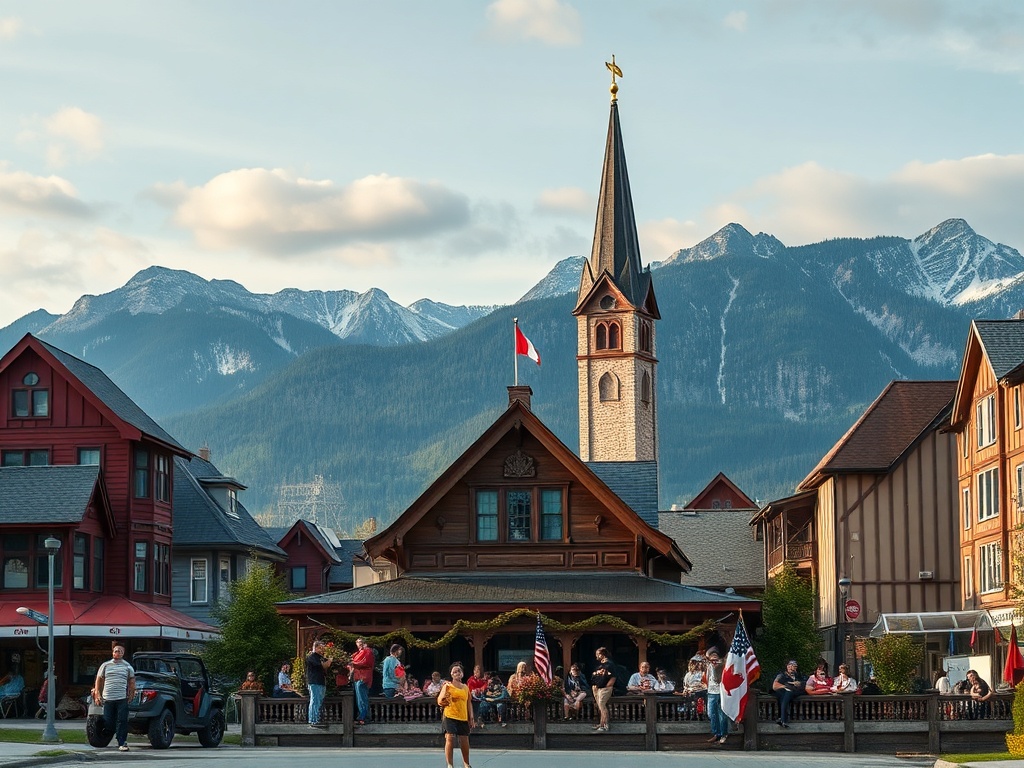
Tax incentives, diverse talent pools, and a multicultural audience make the country an attractive base for creative and cultural production. At the same time, grassroots arts scenes continue to incubate bold ideas that influence broader trends.
Cultural continuity and change
Canada’s culture is defined by continuity and change: deep Indigenous roots, layered immigrant stories, and evolving regional identities.
The result is a cultural landscape that values openness, creativity, and the ongoing work of building respectful relationships across communities. As the cultural mosaic shifts, creative expression and public engagement remain central to how people imagine shared futures.