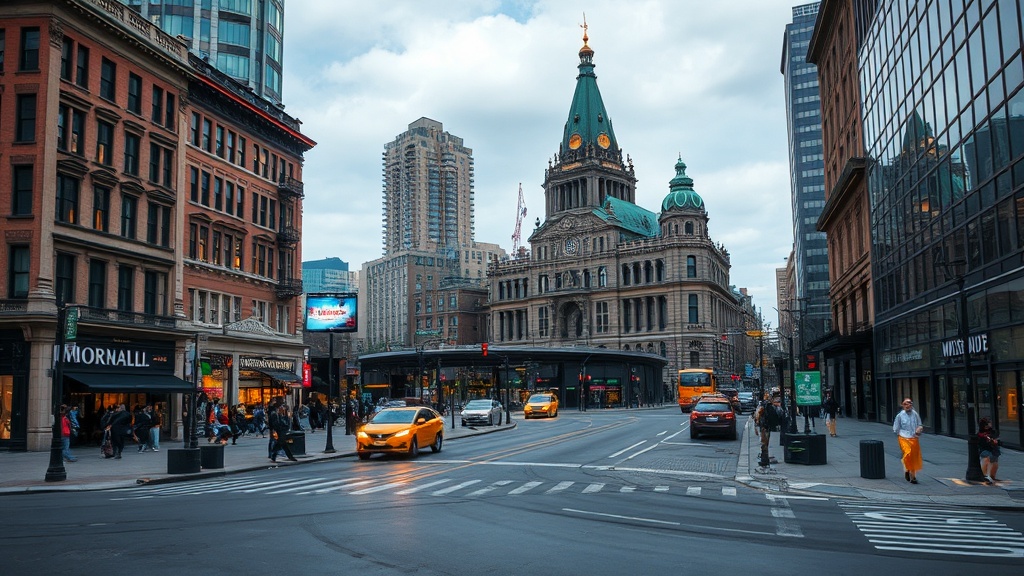
Montreal is a vibrant, walkable city where history, creativity, and food culture collide. Whether you have a few days or live like a local, this guide highlights the neighborhoods, culinary musts, and practical tips that make Montreal irresistible.
Neighborhoods to Explore
– Old Montreal: Cobblestone streets, preserved architecture, and the waterfront set the scene for galleries, boutique shops, and historic sites. It’s ideal for walking tours, riverfront views, and evening dining in atmospheric courtyards.
– Plateau-Mont-Royal: Known for colorful murals, independent boutiques, and bustling cafés, the Plateau is the city’s creative heart. Stroll Saint-Laurent and Saint-Denis for vintage stores, record shops, and lively brunch spots.
– Mile End: A magnet for artists and musicians, Mile End boasts acclaimed cafés, bookstores, and the iconic bagel shops.
Expect a neighborhood that blends bohemian flair with top-tier coffee and artisanal bakeries.
– Little Italy and Jean-Talon Market: Fresh produce, cheeses, and local specialties star at the market. Surrounding streets offer authentic Italian eateries, bakeries, and specialty food shops.
– Griffintown and Old Port adjacent areas: Contemporary dining and design-forward spaces populate this redeveloped district, mixing loft living with innovative restaurants.
– Verdun and Hochelaga-Maisonneuve: Emerging neighborhoods prized for riverfront pathways, green spaces, and more affordable dining and nightlife options.
Food and Drink Highlights
Montreal’s food scene is a mix of French-inspired bistros, multicultural influences, and homegrown specialties. Don’t miss:
– Bagels: Dense, slightly sweet, and baked in wood-fired ovens, Montreal bagels are often enjoyed with smoked salmon or cream cheese. Famous local shops offer each their own signature style.
– Smoked Meat: A deli classic—thick-cut, peppery smoked meat served on rye with mustard.
– Poutine: Fries topped with cheese curds and gravy are a comforting local staple available in casual spots and gourmet variations.
– Farmers’ Markets: Jean-Talon and Atwater are great for discovering local produce, cheeses, breads, and ready-to-eat specialties.
– Coffee and pastry culture: Independent cafés and patisseries are everywhere; seek out neighborhood favorites for a leisurely morning.
Practical Tips for Getting Around
Montreal’s compact center makes walking a pleasure. The metro system is efficient for longer hops across boroughs, while buses fill in connections. Bike-share programs and an expanding network of protected bike lanes provide a scenic alternative, especially along the riverfront. When visiting in colder months, layer up—indoor and outdoor spaces are equally inviting once you warm up.
Seasonal Attractions and Culture
Montreal’s cultural calendar blends festivals, live music, and neighborhood events. Outdoor markets, park activities, and riverside paths offer ways to enjoy the city year-round. Museums and independent galleries provide shelter and inspiration on colder days, while summer terraces and rooftop patios become social hubs when the weather warms.
Final travel mindset
Approach Montreal with curiosity: try a new café on a side street, sample a specialty at the market, and let neighborhoods reveal their personalities on foot. With accessible transit, exceptional food, and an ever-evolving arts scene, the city rewards both first-time visitors and longtime residents with discoveries around every corner.