Canada remains a top destination for travelers seeking dramatic landscapes, vibrant cities, and authentic cultural experiences. From coastal drives and mountain hikes to wildlife encounters and culinary discoveries, the country offers diverse travel styles for every season.
Here’s a practical guide to making the most of a Canadian trip, with tips for planning, must-see regions, and sustainable travel priorities.
Why visitors keep returning
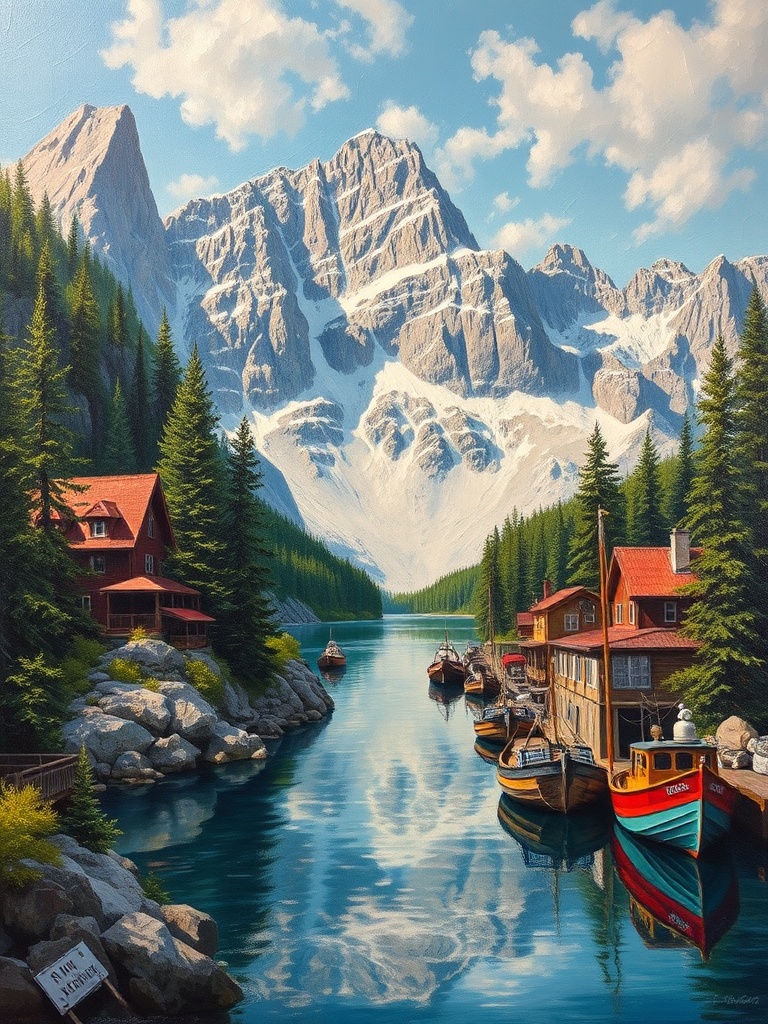
– Vast landscapes: Glacial peaks, boreal forests, prairie skies and rugged coastlines provide endless outdoor activities like hiking, canoeing, skiing and whale-watching.
– Distinct cities: Urban centers blend modern culture with heritage neighborhoods—expect world-class dining, festivals, museums and lively arts scenes.
– Accessible wilderness: Many protected areas and national parks have well-maintained trails, guided programs and backcountry options for all skill levels.
– Indigenous experiences: Guided cultural tours, art centers and interpretive programs offer meaningful perspectives on Indigenous history, languages and contemporary life.
Top regions and highlights
– Mountain West: Rocky Mountain parks are known for turquoise lakes, alpine trails and wildlife viewing. Scenic drives and gondolas make high-altitude panoramas easy to access.
– Coastal British Columbia: Coastal islands and fjords reward visitors with kayaking, marine wildlife encounters and vibrant culinary scenes focusing on seafood and local produce.
– Prairie provinces: Wide-open skies and unique cultural festivals define the prairies, which also serve as gateways to lesser-known parks and stargazing spots.
– Central cities and Great Lakes: Major urban hubs offer neighborhoods full of cafés, craft breweries, galleries and waterfront promenades.
Nearby natural attractions include waterfalls, islands and accessible hiking.
– Atlantic coast: Rugged coastlines, lighthouses, sea-swept villages and seafood traditions create an appealing slow-travel experience. Ferry routes and coastal drives are a draw.
– North and subarctic regions: For aurora viewing, polar bear tours and remote wilderness, northern territories provide unforgettable adventures—be prepared for rustic conditions and guided-safety requirements.
Travel planning essentials
– Book popular routes and park passes early: High-demand drives, ferries and national parks can sell out for prime seasons; reservations help secure preferred dates.
– Pack for variable weather: Layering is key—coastal fog, sudden mountain storms and chilly nights can appear even in warmer months.
– Respect wildlife and landscapes: Maintain safe distances, follow park rules and store food properly to protect animals and habitats.
– Embrace Indigenous-led tourism: Choose certified Indigenous guides and cultural experiences that support local economies and authentic storytelling.
– Consider transportation alternatives: Trains and ferries offer scenic, lower-impact travel options; electric vehicle infrastructure is expanding in many corridors.
Sustainable and responsible travel
Prioritize businesses that use local suppliers, practice conservation, and maintain community partnerships.
Opt for leave-no-trace practices, reduce single-use plastics, and support conservation fees where applicable. Travelers who respect cultural protocols and environmental guidelines help preserve the places they love.
Final tips
Plan an itinerary that balances iconic attractions with off-the-beaten-path gems. Allow extra time for weather delays or spontaneous detours—some of the best travel memories come from unplanned stops. Whether chasing the northern lights, paddling a quiet lake, or savoring a city’s food scene, mindful travel will make the experience richer and more sustainable for future visitors.