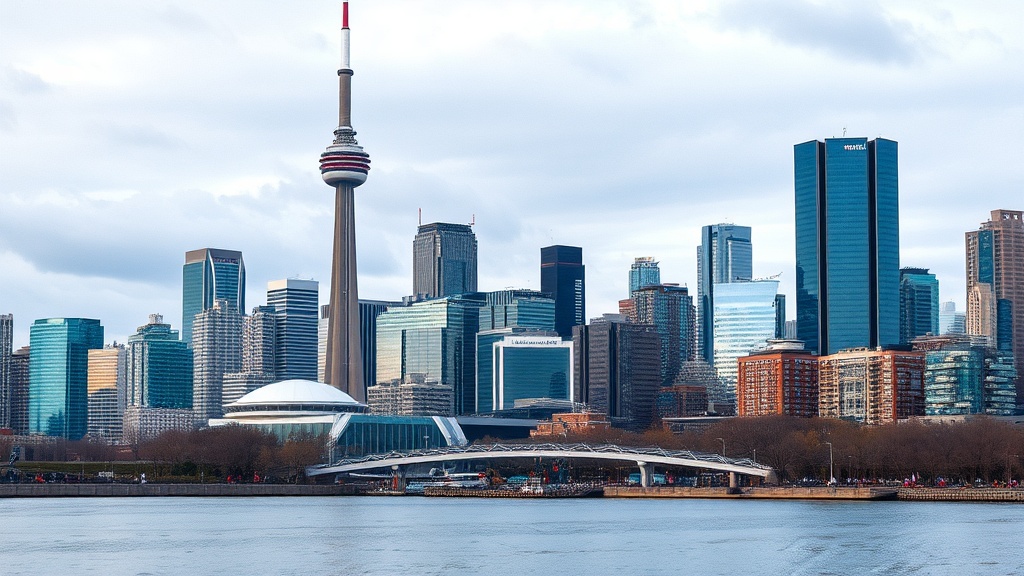
Toronto pulses with a mix of cultures, green space, and constant reinvention, making it a city that suits both short visits and long-term living. Whether you’re scouting neighborhoods, planning a weekend itinerary, or considering a move, understanding what defines Toronto right now helps you make smart choices.
Neighborhoods that fit different lifestyles
Toronto’s neighborhoods each offer distinct vibes. For families, tree-lined streets and larger lots in residential pockets provide quiet and access to top-rated schools and parks. Young professionals often gravitate to proximate downtown areas with transit access, rooftop patios, and a dense mix of cafes and co‑working spaces. Creative types flock to eclectic pockets where mural art and independent shops thrive. For budget-minded renters, neighborhoods slightly further from the core still offer good transit connections and increasingly vibrant local scenes.
Transit and getting around
Efficient travel depends on mixing options. The city’s subway, streetcar, and bus network connects major corridors, while regional trains extend access to suburbs and nearby cities. Underground walkways and covered concourses are lifesavers in inclement weather and link key commercial hubs.
Bike lanes and shared micro-mobility services have expanded, making short trips greener and often faster during peak hours. For visitors, plan around Union Station for rail connections and use real-time apps to avoid surprises on busy routes.
Parks, waterfronts, and outdoor life
Green space is a big part of Toronto’s appeal.
Large urban parks offer year-round activities from jogging and picnicking to organized sports. The waterfront has seen ongoing investment that broadens public access, with trails, beaches, and cultural programming attracting people outdoors. Natural features on the city’s edge, including dramatic bluffs and scenic trails, provide quick escapes without long drives.
Dining, culture, and entertainment
Toronto’s culinary landscape reflects its multicultural population. Neighborhood markets, laneway restaurants, and food halls showcase global flavors alongside contemporary Canadian cuisine.
Music venues, galleries, and museums present a blend of international touring acts and local artists.
Smaller festivals and community events regularly highlight neighborhood pride and make exploring off-the-beaten-path districts rewarding.
Housing and lifestyle trade-offs
Choosing a home in Toronto often means weighing proximity against space and price.
Condos dominate the central skyline and offer amenities and walkability, while houses further out provide more room and quieter streets.
Transit access, local schools, and nearby green space should guide decisions as much as the unit’s finishes.
Working with a local agent or doing several exploratory visits helps align expectations with reality.
Practical tips for newcomers and visitors
– Walk and explore: many neighborhoods reveal their character on foot.
– Use transit smartly: plan around peak times and explore bike or shared-mobility options for short hops.
– Sample local markets: they’re great for discovering affordable meals and artisanal goods.
– Check event calendars: neighborhood festivals and pop-ups happen frequently and offer chances to meet locals.
– Layer clothing and pack a reusable water bottle: Toronto’s weather and outdoor programming make flexibility useful.
A city of neighborhoods and possibilities
Toronto blends big-city amenities with neighborhood intimacy.
Its evolving transit network, thriving food scene, and abundant green spaces offer a high quality of life for a wide range of people. Whether you’re visiting for a weekend or scouting a longer stay, give each district time to reveal what makes it unique—those discoveries are at the heart of the Toronto experience.