Toronto is a city of neighborhoods—each with its own personality, food scene and transit access—making it easy to shape a visit or everyday life around culture, nature and convenience.
Whether you’re exploring for a weekend or setting down roots, these practical tips and neighborhood highlights will help you get the most from the city.
Getting around
Toronto’s transit network combines subways, light rail, streetcars and regional trains, plus buses that reach most neighborhoods. A contactless fare card speeds up boarding across systems.
For downtown walking on chillier days, the PATH network of underground walkways keeps you dry and connected to shops and transit. Cycling infrastructure continues to expand; look for dedicated lanes and watch for shared-bike parking zones. Planning trips around rush hours will save time—midday and evenings are typically less crowded.
Neighborhoods to know
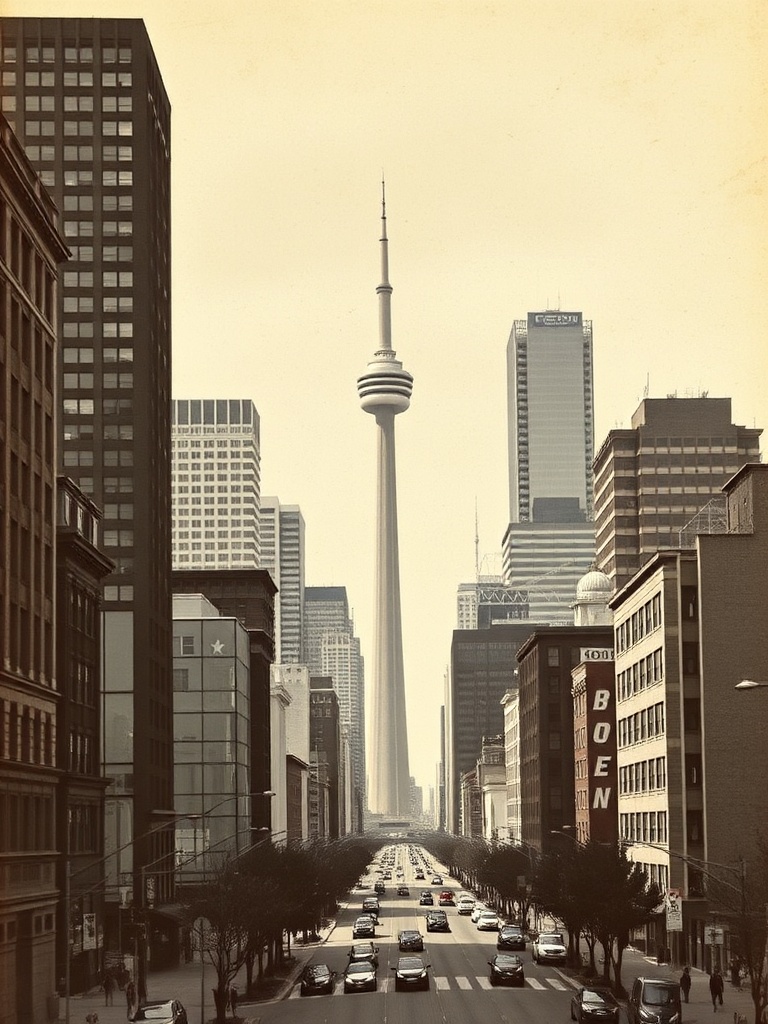
– Downtown core and Entertainment District: Home to the CN Tower and major theaters, this area buzzes with nightlife, restaurants and major sports arenas.
– King West and Queen West: Trendy, design-forward neighborhoods with boutiques, galleries and a lively bar scene.
– Kensington Market and Chinatown: A multicultural cluster of vintage shops, street art and international food vendors—perfect for a relaxed, walkable day.
– Distillery District: Historic brick buildings host artisan shops, galleries and seasonal markets, offering a mix of culture and shopping.
– Harbourfront and the Islands: Waterfront parks, pedestrian promenades and ferry access to the Toronto Islands give a quick nature escape from the urban core.
– The Beach and Leslieville: Laid-back residential streets, local cafés and access to lakeside trails make this area popular with families and cyclists.
Food and drink
Toronto’s culinary scene reflects its diversity. St. Lawrence Market is a must for fresh produce and iconic vendors, while neighborhoods like Little India, Greektown and Little Portugal each offer authentic dining options. Food halls and pop-up markets showcase emerging chefs and seasonal produce—ideal for sampling multiple small plates. For coffee lovers, the city’s independent cafes are as much about community as caffeine.
Parks and outdoor life
Green spaces are never far away. High Park provides trails, ponds and a zoo, while the ravine systems create long, leafy corridors for running and walking across many neighborhoods. The waterfront’s bike paths are popular for scenic rides, and public beaches are a summer draw.
Ferries to the Islands offer relaxed beaches and car-free paths—an easy way to feel removed from the city hustle.
Culture and attractions
Museums and galleries offer rotating exhibitions and community programs; theatre and live music venues range from intimate clubs to larger concert halls. Seasonal festivals and outdoor markets brighten streets and parks, and many cultural institutions run free or pay-what-you-can days—check schedules before you go.
Practical tips
– Weather changes quickly—layering and a compact umbrella keep you comfortable across seasons.
– Tipping is customary in restaurants; public transit etiquette includes giving space to boarding passengers and yielding to cyclists.
– Many attractions require advance booking for popular events; expect peak demand on weekends and holidays.
– For renters and homebuyers, neighborhoods with quick transit access often command premium prices; exploring slightly outside the core can reveal more affordable options with good transit connections.
Toronto blends big-city amenities with neighborhood intimacy and green urban planning. Whether you’re savoring street food in a multicultural market, taking a ferry to quiet island beaches, or hopping a streetcar to a gallery opening, the city rewards both planned itineraries and spontaneous discoveries.