Toronto’s Green Spaces: Balancing Urban Growth and Nature
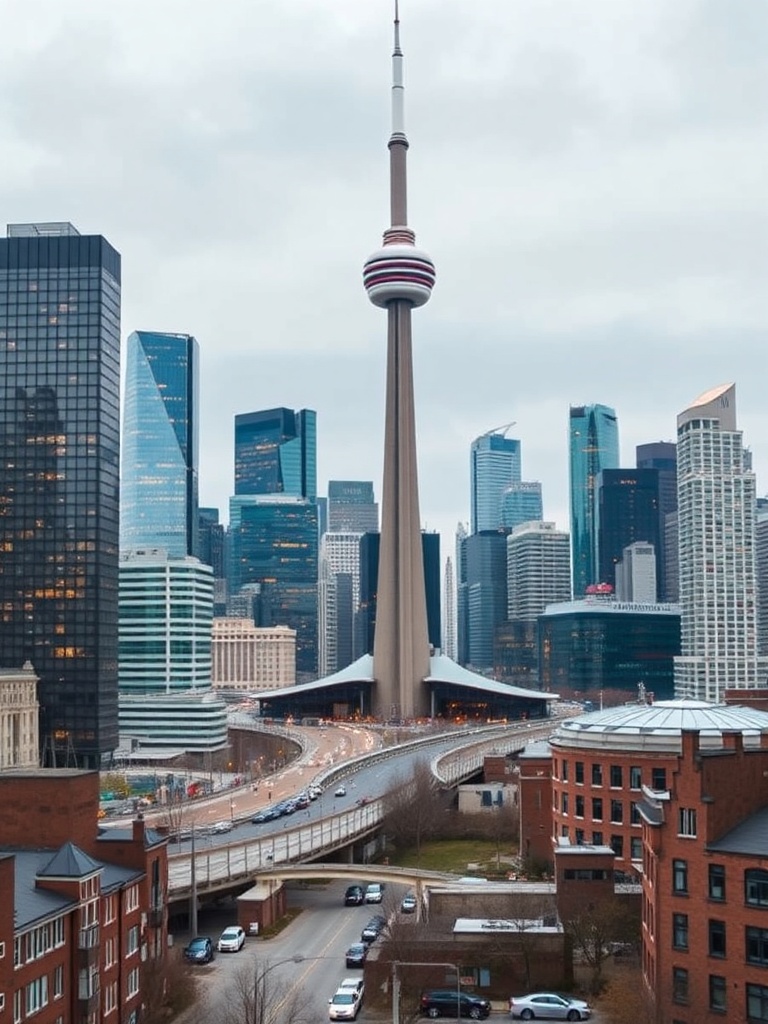
Toronto is a city defined as much by its skyline as by its green fabric.
From expansive ravines and leafy neighbourhood parks to the dynamic waterfront and island lawns, Toronto’s parks and natural areas provide essential recreation, climate resilience, and habitat in an urban setting. Understanding how the city balances development with preservation helps residents and visitors make the most of these living spaces.
Why urban green space matters in Toronto
Green spaces reduce urban heat, manage stormwater, and support biodiversity.
Toronto’s interconnected ravine system and waterfront act as natural corridors for wildlife while giving people easy access to walking trails, picnic spots, and viewpoints. Trees and native plantings filter air and water, improving public health and quality of life across diverse neighbourhoods.
Highlights to explore
– High Park: A major urban oasis with mixed forest, open meadows, recreational facilities, and trails that reward both casual visitors and nature enthusiasts.
– Toronto Islands: A short ferry ride from the downtown core leads to car-free paths, beaches, and panoramic skyline views.
– Evergreen Brick Works: A restored industrial site turned ecological hub featuring community gardens, year-round markets, and nature education programs.
– Trinity Bellwoods and Riverdale Parks: Popular local green spaces that pair wide lawns with vibrant neighbourhood life.
– The ravine network: Miles of trails slice through the city, offering shaded escapes and rich birdwatching opportunities.
How the city supports green resilience
Toronto’s approach blends public planning, community stewardship, and private-sector incentives.
Investments in waterfront revitalization, enhanced tree-planting, green roofs, permeable surfaces, and improved stormwater infrastructure reduce flood risks and cool urban heat islands.
Community groups and local stewardship organizations play a critical role through volunteer tree plantings, native-plant gardens, and local cleanups that maintain park health and biodiversity.
Practical tips for visiting
– Travel smart: Many green spots are accessible by transit, bike, or short ferry trips—parking can be limited at popular sites.
– Respect wildlife: Observe from a distance, keep dogs leashed where required, and stick to trails to protect sensitive habitats.
– Pack for comfort: Bring water, sun protection for open fields, or layers for shady ravine hikes.
Leave no trace and use designated BBQ or picnic areas.
– Join community events: Park cleanups, guided nature walks, and volunteer planting days are great ways to connect and help maintain these spaces.
Opportunities for neighbours and businesses
Local residents and businesses can boost neighbourhood green cover through backyard native plantings, rain gardens, and green roof initiatives. Community gardens strengthen local food resilience and social ties. Businesses benefit from improved street-level urban canopies, which enhance property values and employee wellbeing while helping meet sustainability goals.
Looking ahead
Sustaining Toronto’s green network requires continued collaboration between municipal planners, community organizations, developers, and residents.
Prioritizing native species, protecting ecological corridors, and expanding equitable access to parks will help ensure that urban nature thrives alongside a growing city.
Whether seeking a peaceful walk, family recreation, or a nature-focused volunteer opportunity, Toronto’s green spaces offer robust options. Exploring them thoughtfully ensures these vital places remain vibrant for future generations.