Vancouver’s appeal is easy to see: a dramatic waterfront framed by mountains, a mild coastal climate, and a culture that blends urban energy with outdoor lifestyle.
But beneath postcard views lies a city navigating growth, sustainability, and quality of life—making it a fascinating case study for residents, newcomers, and visitors.
A changing urban fabric
Population growth and strong demand have pushed housing affordability and density to the forefront of public conversation. Municipal and provincial strategies aim to increase supply through denser housing near rapid transit, rental-only zoning, and incentives for purpose-built rental and co-op developments.
For people looking to move or rent, focusing on transit corridors, flexible housing types, and shared-equity options can help balance cost and convenience.
Transit and mobility
Vancouver’s transit network centers on automated rapid transit, commuter rail, a passenger ferry, and an expanding bus and cycling network. Active transportation is increasingly prioritized: separated bike lanes, protected pathways, and extensive waterfront routes make biking and walking viable for many trips.
Transit-oriented development remains a key strategy to reduce car dependence and support more walkable neighborhoods.
Green space and biodiversity
Green space is central to Vancouver’s identity. Large urban parks, community gardens, and an extensive seawall system offer daily access to nature. Urban forestry programs and biodiversity initiatives aim to protect canopy cover and promote native species. Coastal resilience projects address shoreline health and habitat restoration, integrating recreational access with environmental stewardship.
Climate resilience and sustainable building
Facing coastal weather patterns, the city emphasizes climate resilience through flood mitigation, heat reduction strategies, and stricter building codes for energy efficiency. New construction increasingly adopts low-carbon materials, airtight building envelopes, and electric-ready infrastructure. Incentives for retrofits and electrification help older buildings cut emissions and lower long-term energy costs.
Economy and innovation
A diverse economy strengthens the city’s prospects. Technology hubs, a thriving film and creative sector, tourism, and a major port contribute to a varied job market. Startups and established tech companies coexist with traditional industries, supported by co-working spaces, research partnerships, and investment in talent pipelines.
Food culture and neighborhood character
Vancouver’s food scene reflects its multicultural population.
Fresh seafood markets, vibrant Asian cuisine, farm-to-table restaurants, and lively public markets create a rich culinary map. Neighborhoods each carry distinct character—historic waterfronts, arts districts, beachside communities, and bustling culinary corridors—offering residents plenty of lifestyle choices.
Outdoor recreation and accessibility
Proximity to mountains and water makes outdoor recreation part of everyday life. Hiking, skiing, paddle sports, and cycling are accessible without long travel times, which helps promote active living and mental well-being.
Urban design that links neighborhoods to greenways, trails, and waterfront amenities enhances both recreation and commuting options.
Practical tips for living and visiting
– Prioritize neighborhoods close to transit to reduce commute times and transportation costs.
– Explore shared housing and co-op options to reduce housing pressure.
– Use the city’s bike and ferry networks to experience different parts of the region without driving.
– Support local markets and small businesses to engage with community character and seasonal food systems.
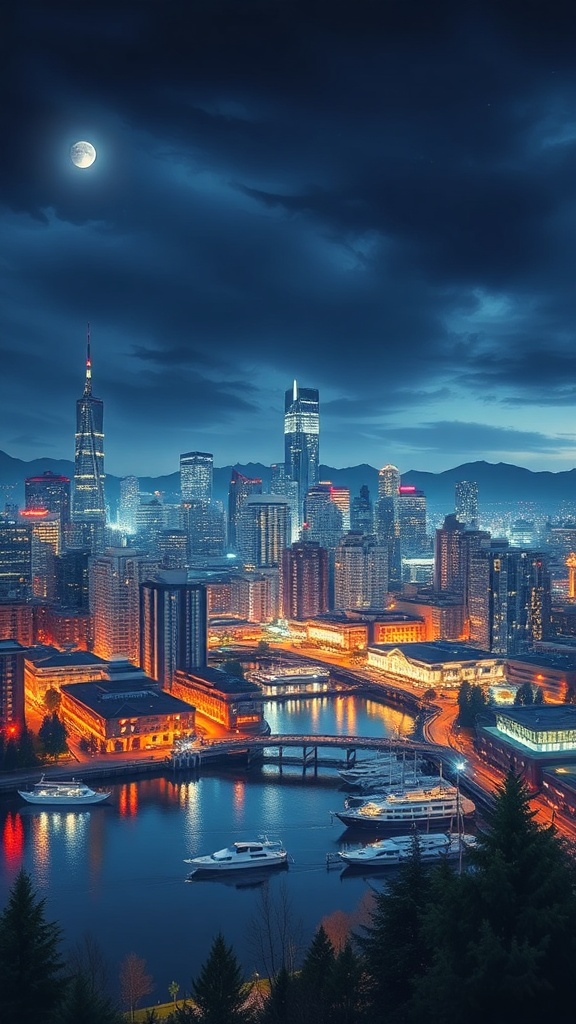
Vancouver balances ambitious urban growth with a strong commitment to nature and sustainability. For those who love access to outdoor adventure, diverse food and culture, and progressive urban planning, the city offers a dynamic environment where innovation and livability intersect.