Montreal’s blend of old-world charm and modern momentum makes it one of North America’s most dynamic cities. Visitors and residents alike find a place that pairs cobblestone streets and historic architecture with a lively cultural calendar, a booming tech scene, and progressive urban planning that prioritizes sustainable mobility and public life.
A cultural heartbeat
Montreal’s cultural energy pulses through neighborhood festivals, world-class performing arts, and a thriving music scene.
Districts like the Quartier des Spectacles host outdoor installations and performances that animate the city core, while galleries, theatres, and independent venues keep a steady flow of creative programming. Food culture is similarly vibrant: markets such as Jean-Talon and Atwater showcase local produce and artisanal producers, and iconic eateries — from classic delis and smoky barbecue joints to inventive bistros and acclaimed bakeries — reflect the city’s culinary diversity. The rivalry over bagels and the devotion to late-night poutine are local traditions that visitors often seek out.
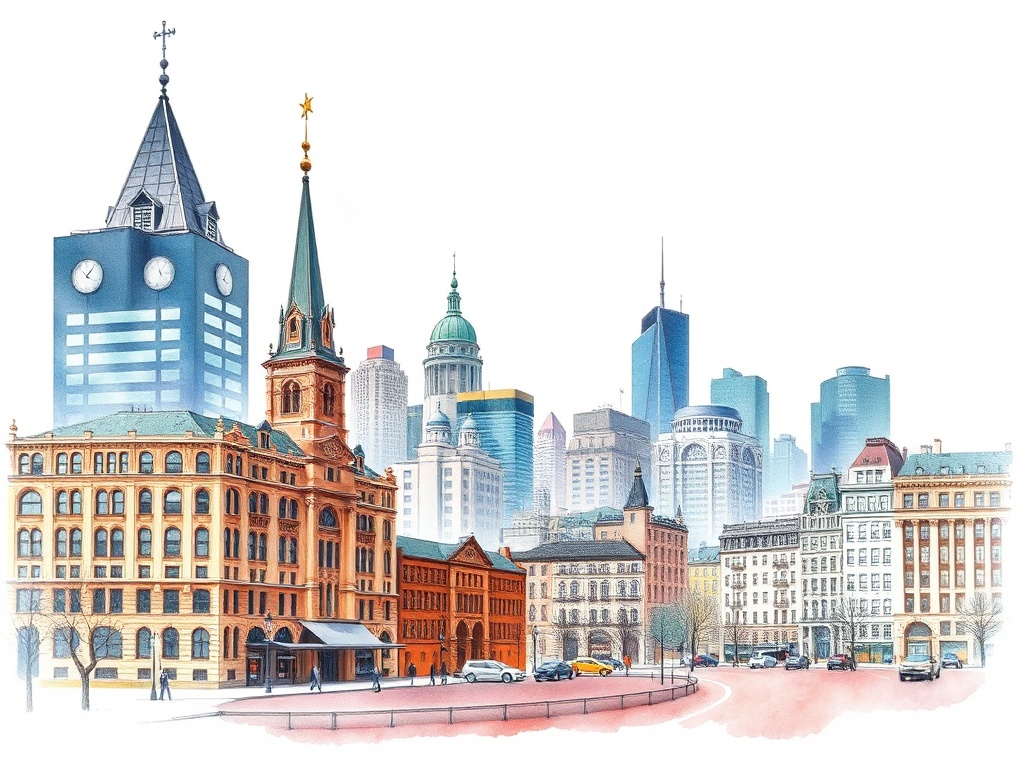
Neighborhoods with personality
Each Montreal neighborhood has a distinct character.
The Plateau-Mont-Royal and Mile End neighborhoods are known for their colorful row houses, trendy boutiques, and café culture, attracting creatives and food lovers. Old Montreal charms with historic architecture, art galleries, and riverfront promenades. Verdun and Rosemont offer a quieter, residential feel with growing cafes and green spaces, while Griffintown and the Sud-Ouest combine modern condo developments with refurbished industrial spaces and emerging dining scenes. Choosing where to stay or explore depends on whether you want nightlife, family-friendly parks, or a neighborhood full of independent shops.
Getting around: practical and sustainable
Public transit remains a cornerstone of urban life, with a network of buses and metro lines connecting key districts. Recent investments in transit expansions and service improvements aim to make commuting more efficient and to knit suburbs more closely to the urban core. Bike infrastructure has expanded significantly, and bike-share systems provide an easy way to explore short distances.
Walkability is a major draw for many neighborhoods, with tree-lined streets, pedestrian plazas, and vibrant commercial strips encouraging on-foot discovery.
A hub for innovation and learning
Montreal’s universities and research institutions feed a steady pipeline of talent into industries like software, gaming, biomedicine, and creative tech. Startup incubators and collaborative workspaces offer entrepreneurs the resources and mentorship needed to scale.
The city’s bilingual workforce is attractive to international firms and investors, creating an ecosystem where homegrown companies and global players coexist.
Green city initiatives
Urban sustainability initiatives focus on improving public transit, expanding green spaces, and promoting active transportation. Community gardens, park revitalizations, and riverfront redevelopment projects have transformed many formerly industrial zones into welcoming public realms.
Municipal policies encourage energy-efficient buildings and support local businesses, contributing to a resilient urban fabric.
Tips for visitors
– Explore neighborhoods on foot or by bike to soak in local life.
– Visit a market for fresh produce and artisan goods.
– Try local specialties at both renowned institutions and neighborhood gems.
– Check local event listings for outdoor performances and markets that often pop up across the city.
Montreal thrives by balancing preservation with progress.
Whether you come for the food, the festivals, the academic and tech opportunities, or simply to wander its varied neighborhoods, the city offers a compact, lively urban experience that rewards curiosity and repeat visits.