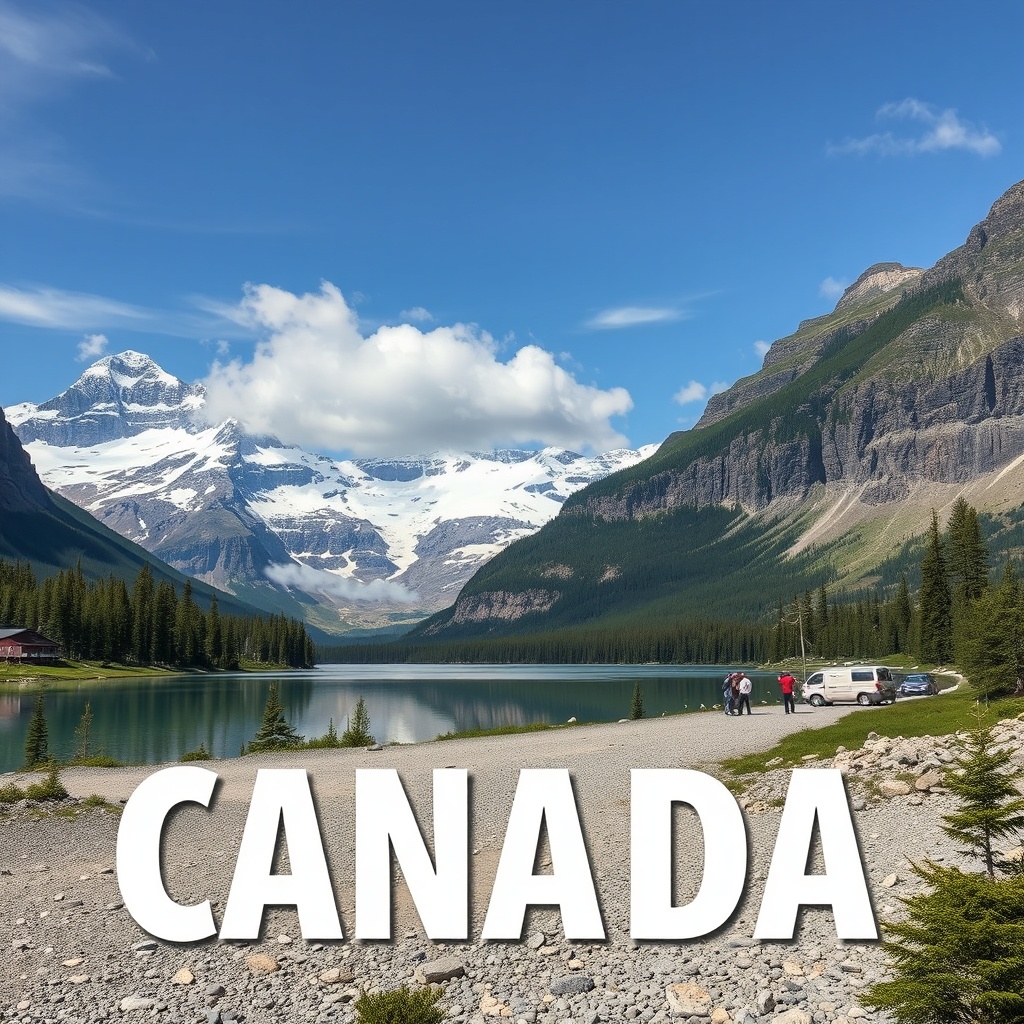
Canada offers a vast, varied travel experience that appeals to nature lovers, city explorers, foodies, and cultural travelers alike. From rugged coastlines and glacier-fed lakes to vibrant multicultural cities and Indigenous-led experiences, Canada tourism rewards curiosity and encourages slow, sustainable exploration.
Why Canada should be on your travel list
– Diverse landscapes: Dramatic mountain ranges, boreal forests, Arctic tundra, and thousands of freshwater lakes create endless outdoor opportunities.
– Wildlife encounters: Watch whales off the Atlantic and Pacific coasts, spot bears and moose in national parks, or chase the spectacular Northern Lights in northern regions.
– Urban variety: Cities deliver world-class dining, arts scenes, and neighborhoods full of local flavor.
Expect cosmopolitan amenities alongside strong local identities.
– Indigenous tourism: Authentic cultural experiences—guided hikes, storytelling, art, and culinary events—offer respectful ways to learn about Indigenous traditions and contemporary life.
Top experiences to prioritize
– National parks: Explore iconic park landscapes by foot, canoe, or scenic drive. Well-maintained trails and interpretive programs make parks accessible for families and seasoned hikers.
– Mountain adventures: Alpine villages and ski towns provide year-round outdoor recreation, from backcountry skiing and snowshoeing to summer hiking and mountain biking.
– Coastal trips: Island-hopping and coastal road trips showcase sea cliffs, lighthouses, and vibrant marine life. Seafood-focused food scenes add a delicious layer to coastal exploration.
– Northern lights and northern cultures: Remote communities offer access to aurora viewing, winter activities like dog sledding, and cultural exchanges with Indigenous residents.
– Urban culture and cuisine: Sample multicultural neighborhoods, food markets, craft breweries, and innovative fine dining in major cities while discovering hidden local gems.
Practical travel tips
– Plan by season: Weather varies widely by region—pack layers and prepare for sudden changes in mountain and northern areas. Summer is great for hiking and coastal trips; shoulder seasons often mean fewer crowds and lower prices.
– Transportation: Long distances make regional flights common, but train and highway routes deliver scenic alternatives.
Car rentals are ideal for flexible, off-the-beaten-path travel.
– Park passes and permits: Popular parks and protected areas may require reservations or passes for access. Book accommodations and special activities early for peak periods.
– Respectful tourism: Support Indigenous-owned businesses and guided tours that prioritize cultural consent and benefit local communities. Follow Leave No Trace principles in wild spaces.
Sustainable travel practices
Travelers are increasingly choosing low-impact options: slower itineraries, small-group tours, and accommodations with green practices. Opting for public transit in cities, minimizing single-use plastics, and prioritizing locally owned businesses helps preserve destinations for future visitors.
Final note on safety and planning
Check regional advisories, trail conditions, and wildlife precautions before heading into remote areas.
For immersive experiences, consider guided trips led by local experts who provide context and ensure safe access to fragile environments.
Whether you’re seeking rugged outdoor adventure, serene natural beauty, or vibrant urban culture, Canada tourism offers a rich palette of experiences. Thoughtful planning and a respect for local communities and ecosystems will make any trip more rewarding and sustainable.