Canada offers an extraordinary mix of landscapes, cultures, and activities that reward both first-time visitors and seasoned travelers.
From rugged coastlines and temperate rainforests to dramatic mountain ranges and Arctic tundra, the country’s diversity makes it a top choice for every type of traveler — adventure seekers, food lovers, and culture fans alike.
Why visit
Accessible cities with world-class dining, vibrant arts scenes, and welcoming neighborhoods sit alongside wilderness areas that feel untouched.
Iconic natural attractions draw crowds, but lesser-known regions deliver equally memorable experiences: serene lakes for canoeing, long sandy beaches on the east coast, and remote northern skies perfect for aurora viewing.
Top experiences to consider
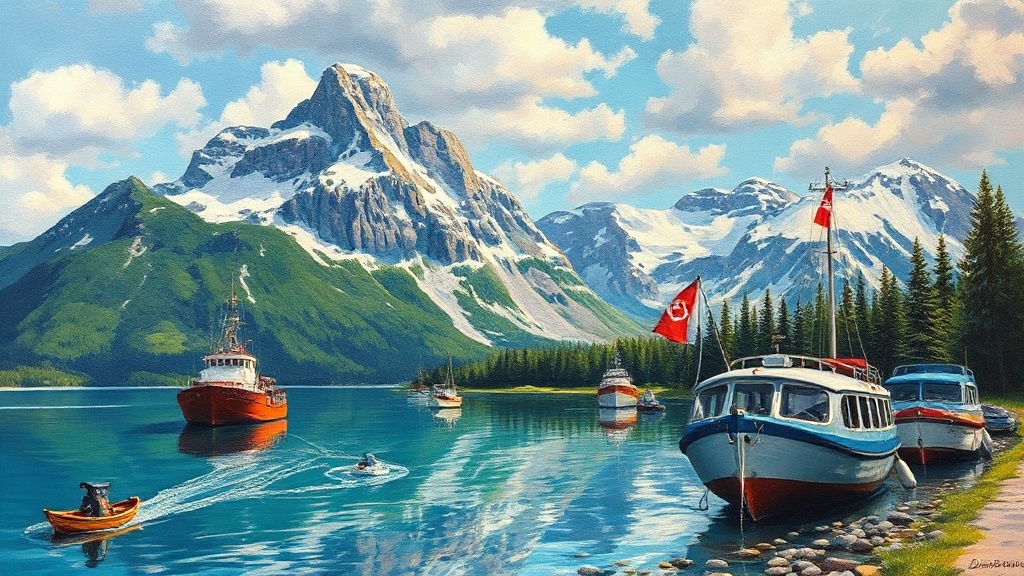
– Mountain adventures: The mountain parks deliver hiking, glacier viewpoints, and alpine lakes. Scenic drives through mountain corridors reveal waterfalls, wildlife, and viewpoints ideal for photography.
Winter offers skiing and snow sports at well-equipped resorts.
– Coastal and maritime travel: Explore charming seaside towns, seafood-focused dining, and lighthouses along the Atlantic provinces. Whale watching, kayaking, and coastal drives offer intimate encounters with marine life and local culture.
– City highlights: Major urban centers blend cosmopolitan dining, museums, and festivals with easy access to parks and waterfronts. Culinary scenes feature local seafood, craft breweries, and multicultural flavors influenced by communities from around the world.
– Northern lights and wilderness: Head north for clear, dark skies and dramatic aurora displays. Wilderness lodges and guided tours provide safe, immersive experiences with opportunities to learn about Indigenous cultures and northern survival skills.
– Indigenous tourism: Engaging with Indigenous-guided experiences deepens travel insights. Cultural tours, storytelling, traditional foods, and art workshops offer meaningful ways to support communities and learn local histories.
Practical tips for smoother travel
– Plan ahead for popular parks, scenic routes, and accommodations—bookings fill up quickly during peak seasons.
Permits and passes are often required for backcountry use.
– Pack layers and weather-ready gear; microclimates can change quickly in mountainous and coastal areas.
If you’ll be in bear country, carry bear spray and learn safe wildlife protocols.
– Choose travel that benefits local communities: opt for locally owned lodgings, eat at independent restaurants, and join tours led by local guides.
– Respect the environment—stick to trails, follow Leave No Trace principles, and avoid disturbing wildlife. Reducing waste and choosing low-impact activities extends the places you love to visit.
Sustainable and responsible travel
Eco-conscious options are increasingly available, from green-certified lodges to conservation-minded tour operators.
Prioritize operators with clear sustainability practices, support habitat protection initiatives, and consider carbon-offset options for long-distance travel.
Small actions can help preserve the landscapes and cultures that make Canada special.
Food and drink to try
Regional specialties reveal local history and seasonal abundance: fresh seafood on the coasts, hearty comfort foods in inland regions, and thriving wine and craft-beer scenes in fruit-growing valleys. Farmers’ markets and food tours are great ways to sample seasonal, locally produced fare.
Final travel thought
Whether you’re chasing mountain peaks, cultural encounters, or quiet lakeside retreats, planning with respect for people and place will make a trip more rewarding. Book thoughtfully, choose experiences that align with conservation and community support, and leave room for unexpected discoveries along the way.