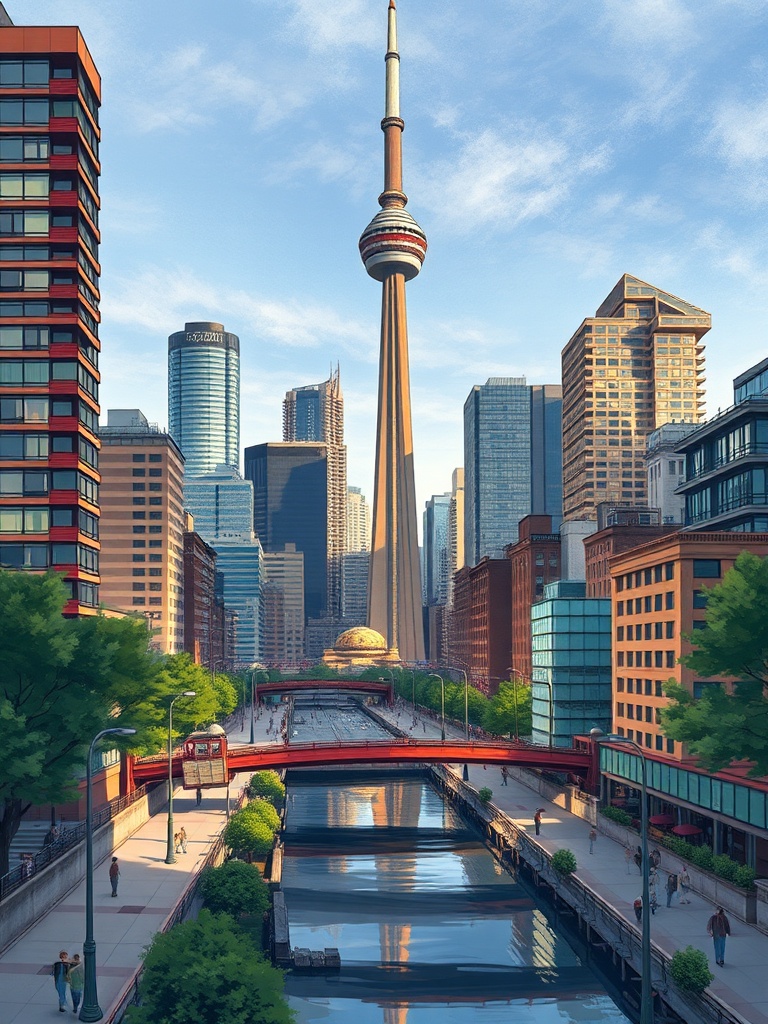
Toronto’s waterfront has become one of the city’s most dynamic and accessible spaces, blending green space, culture, active transportation, and resilient design. Whether you live here or are visiting, the lakeshore corridor offers a wide range of experiences within a compact stretch of urban coastline.
A strollable, bikeable shoreline
The waterfront is threaded by the Martin Goodman Trail and an expanding network of pedestrian promenades that make walking, running, and cycling simple and scenic. Protected bike lanes and improved intersections connect downtown neighborhoods to the lakeshore, encouraging short commutes and leisure rides. Ferries from the waterfront provide quick, car-free trips to the Islands, a beloved escape with beaches, picnic spots, and skyline views.
Culture, public art and festivals
Cultural institutions and public programming help the waterfront feel active year-round. Venues and open-air stages host music, theatre, film screenings, and visual-art installations—many programs are designed to be accessible and family-friendly.
Permanent and temporary public art pieces punctuate promenades and plazas, inviting both casual discovery and photo-worthy moments.
Parks, beaches and everyday recreation
From manicured plazas to naturalized shoreline parks, there’s space for every kind of outdoor day. Urban beaches and piers offer sunbathing, volleyball, and shoreline strolling; nearby parks provide lawns, splash pads, and playgrounds.
Kayak and paddleboard rentals are often available, letting visitors experience the harbour from the water.
The Islands remain a top draw for anyone seeking a quieter, vehicle-free environment with trails and picnic groves.
Mixed-use development with public realm priority
Recent redevelopment along the waterfront focuses on a balanced mix of housing, office space, shops, and community amenities. Developers and city planners increasingly prioritize the public realm—wider sidewalks, green buffers, and continuous waterfront promenades—to ensure that new construction contributes to public life rather than closing it off.
Community benefits often include affordable housing units, public parks, and cultural spaces integrated into development plans.
Climate resilience and ecological restoration
Climate resilience is central to waterfront planning. Efforts include shoreline naturalization, improved stormwater management, and strategic elevation or reinforcement of vulnerable stretches of promenade to reduce flood risk. Marsh restoration and native plantings help support biodiversity while serving as natural buffers. These strategies aim to protect infrastructure and enhance the ecological function of the shoreline in the face of changing lake conditions.
Getting there and practical tips
– Transit: Streetcars and regional transit hubs put the waterfront within easy reach of many neighborhoods. Cycling or walking from nearby areas is often faster than driving during busy periods.
– Ferries: Regular ferries to the Islands operate from multiple docks; check schedules before heading out.
– Timing: Weekends can be busiest—weekday mornings or early evenings are generally quieter for a relaxed walk or bike ride.
– Pack for comfort: Bring layers for lakeside winds, sunscreen for sunny days, and comfortable shoes for exploring varied surfaces.
Why it matters
The waterfront is more than a scenic edge of the city—it’s an active public realm that connects recreation, culture, housing, and resilience. Its evolution shows how urban waterfronts can offer both everyday utility and memorable experiences, making the lakeshore a destination for locals and visitors who want fresh-air activities, cultural programming, and waterfront living.
Explore by foot, bike, ferry, or transit to see how this stretch of Toronto continues to shape city life.