Quebec: a blend of vibrant cities, francophone culture, and all-season outdoor adventure
Quebec captivates visitors and residents with a mix of European charm and North American energy.
From cobblestone streets and historic architecture to cutting-edge food and arts scenes, the province offers memorable experiences for every kind of traveler.
City life and culture
Montreal and Quebec City anchor the province’s urban appeal.
Montreal buzzes with a multicultural culinary scene, thriving microbreweries, and neighborhoods that reward slow exploration—Plateau for street art and cafés, Mile End for bakeries and vinyl shops, Old Port for waterfront strolls.
Quebec City enchants with its fortified old town, narrow lanes, and lively cultural calendar.
Both cities host major festivals and arts events throughout the year, offering music, comedy, and performance for diverse tastes.
Culinary highlights
Quebec’s food culture is a standout. Classic dishes like poutine and tourtière share the table with fine dining guided by seasonal, local produce. Maple syrup remains a culinary symbol: sugar shacks invite visitors to experience the syrup-making process and enjoy hearty meals where traditional flavors are front and center. The craft beer and natural wine scenes have also expanded, with tasting rooms and bottle shops popping up across urban and rural communities.
Outdoor adventures, all seasons
Outdoor opportunities define much of Quebec’s appeal. The province’s varied landscapes—Laurentians, Eastern Townships, Gaspé Peninsula, and the vast boreal regions—are playgrounds for hiking, cycling, paddling, and wildlife watching. Winter brings skiing, snowshoeing, and dog-sledding at well-maintained resorts and regional parks.
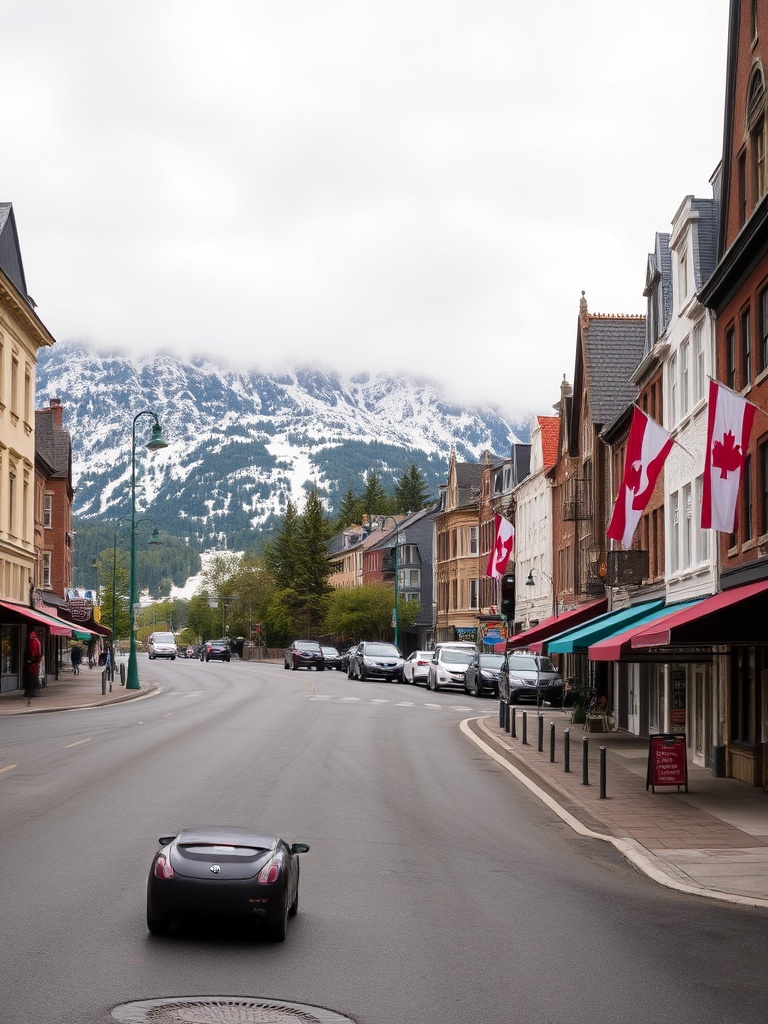
Summer transforms rivers and lakes into ideal spots for kayaking and camping. For those seeking dramatic coastal scenery, the St. Lawrence offers whale-watching excursions and rugged shorelines to explore.
Language and cultural etiquette
French is the predominant language and an important part of daily life.
Visitors who make a polite effort to use basic French greetings and phrases are often warmly received. In urban centers, many people are bilingual, but using French for initial interactions signals respect for local culture. Cultural institutions and festivals frequently celebrate francophone artists and heritage, making language a gateway to richer experiences.
Practical tips for visitors
– Transportation: Cities offer efficient public transit, bike-share programs, and walkable neighborhoods. Renting a car is useful for reaching regional attractions and national parks.
– Weather readiness: Pack layers and prepare for variable conditions—mountain and coastal microclimates can change quickly.
– Reservations: Popular restaurants and guided outdoor activities can fill up fast; booking ahead ensures access to sought-after experiences.
– Support local: Seek out farmers’ markets, artisanal shops, and regional producers to connect with authentic flavors and crafts.
Sustainable travel and local initiatives
Sustainable tourism is increasingly emphasized across Quebec. Many operators prioritize low-impact outdoor experiences, local sourcing, and conservation-minded practices. Choosing eco-friendly accommodations and guided tours helps preserve the landscapes and communities that make Quebec special.
Whether drawn by its history, food, natural beauty, or cultural vitality, Quebec offers layers of discovery for repeat visitors and first-timers alike. A thoughtful approach—respecting language and environment while exploring neighborhoods and backcountry alike—reveals the province’s warm, dynamic character.