Quebec offers a rich blend of urban culture, culinary delights, and wide-open natural spaces that appeal to any traveler or resident looking for variety. Whether you’re drawn to cobblestone streets and history or forests and fjords, Quebec delivers distinct experiences shaped by French heritage, vibrant communities, and a deep connection to the land.
Cities with character
Montreal and Quebec City anchor the province’s cultural scene. Montreal pulses with neighborhoods that cater to every taste: Old Montreal for historic architecture and waterfront strolls; Mile End for indie boutiques, cafés, and a lively arts scene; and the Plateau for colorful murals and trendy eateries. Quebec City’s Old Town evokes a European atmosphere with its fortified walls, narrow lanes, and commanding Château-style skyline—perfect for walking tours and photography.
Culinary highlights
Quebec’s food scene blends traditional French influences with local ingredients.
Classic dishes to seek out include poutine—fries topped with cheese curds and gravy—made artisanal at many modern bistros; tourtière and other savory pies; and maple-forward treats during maple season. Farm-to-table restaurants and bustling public markets, like Montreal’s Jean-Talon and Atwater, showcase seasonal produce, cheeses, charcuterie, and baked goods.
Don’t miss trying local microbrews and Quebec’s distinctive cider offerings.
Outdoor adventures
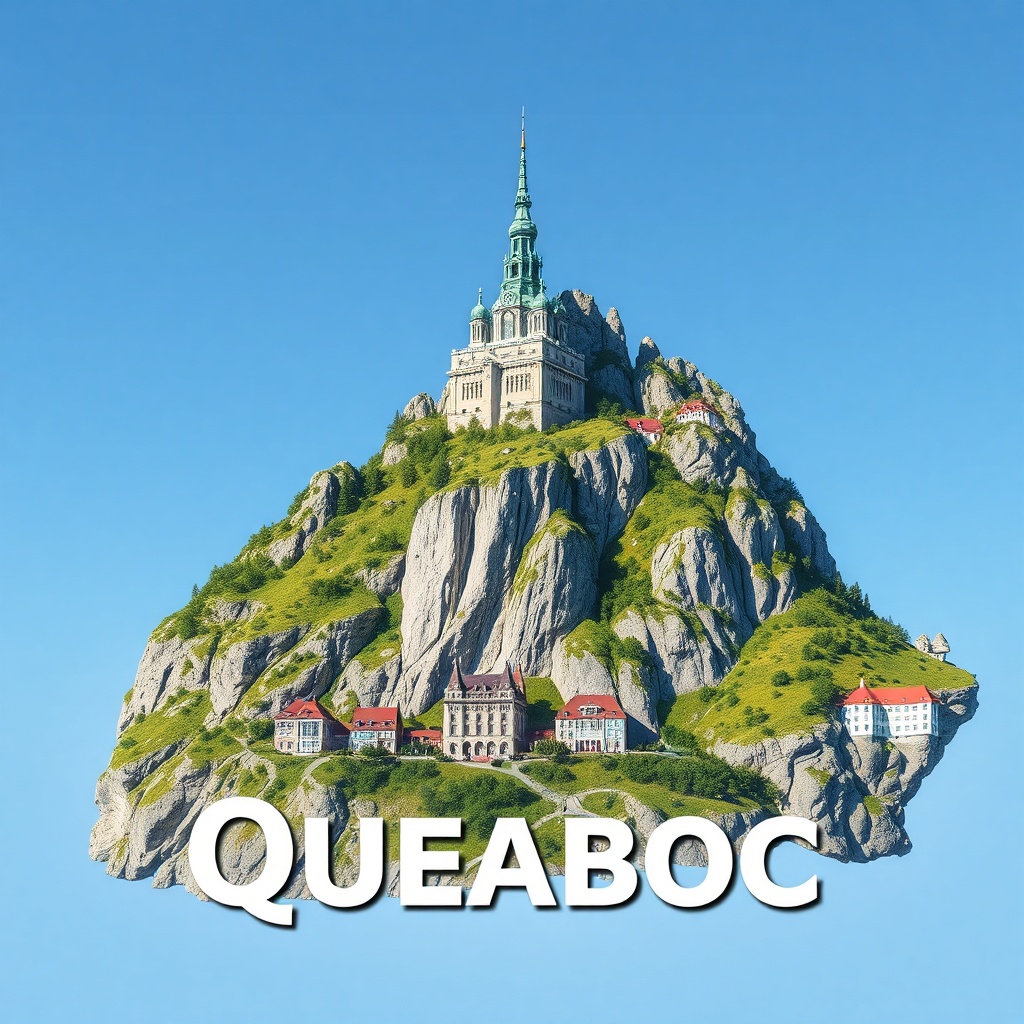
The province’s varied geography supports year-round outdoor activities. The Laurentians and Eastern Townships provide accessible hiking, cycling, and lakeside relaxation close to urban centers. For more dramatic scenery, the Gaspé Peninsula and the Saguenay–St. Lawrence Marine Park offer coastal viewpoints, whale watching, and sculpted cliffs.
Winter enthusiasts find no shortage of options—cross-country skiing, snowshoeing, and alpine resorts are woven into many communities.
Cultural rhythms
Quebec maintains a lively festivals calendar with events celebrating music, film, art, and heritage.
Annual festivals draw international artists and local talents alike, while smaller community gatherings highlight regional traditions and Indigenous cultures. Museums, galleries, and performing arts venues in Montreal and Quebec City offer rotating exhibitions and performances that reflect a blend of contemporary and classical influences.
Practical tips for visitors
– Language: French is the predominant language, and basic French phrases are appreciated. English is commonly spoken in tourist areas, but making an effort in French enhances interactions.
– Getting around: Major cities have reliable public transit; driving is useful for exploring rural regions and scenic routes. Ferries link some coastal communities, making island visits convenient.
– Weather readiness: Quebec’s climate varies with the seasons—layers are a traveler’s best friend. Plan activities around seasonal daylight and weather conditions for the best experience.
– Local etiquette: Respect for cultural traditions and the environment is valued. Tipping follows North American norms, and supporting local businesses helps sustain communities.
Sustainable travel
Many communities emphasize sustainability, from eco-certified accommodations to initiatives that protect waterways and forests. Choose tour operators and lodgings that prioritize conservation and respect for Indigenous territories.
Quebec’s mix of urban vitality, culinary richness, and outdoor possibility makes it easy to craft a trip—or a local weekend—tailored to your interests. Whether you’re sampling street food in Montreal, wandering the ramparts of Quebec City, or hiking a coastal trail, you’ll find landscapes and experiences that linger long after the journey ends.