Montreal travel guide: what to see, eat and do
Montreal blends European charm with North American energy, making it a top pick for culture seekers, food lovers, and urban explorers. The city’s compact neighborhoods, vibrant arts scene, and layered history mean there’s always something new to discover — whether you’re on a short break or planning a longer stay.
Neighborhoods to explore
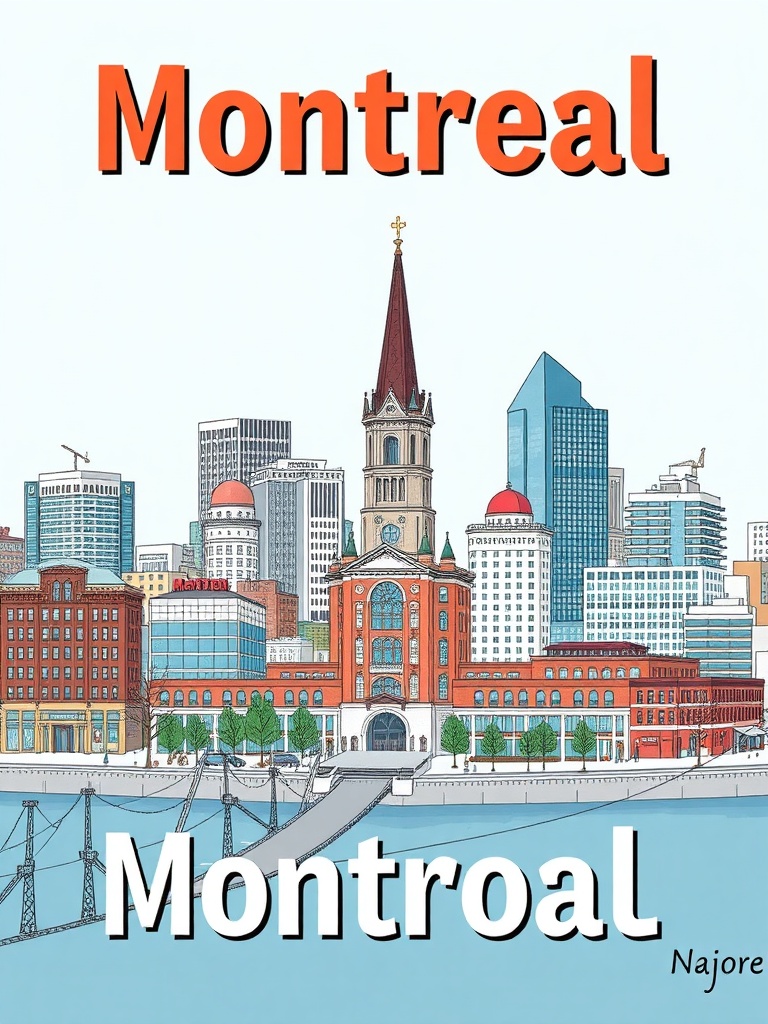
– Old Montreal (Vieux-Montréal): Cobbled streets, preserved architecture and the waterfront create a picture-perfect setting for museums, galleries and cafes. Stroll along the Old Port and take in views of the river and historic landmarks.
– Plateau-Mont-Royal & Mile End: Colorful row houses, street art and indie boutiques define these adjacent neighborhoods. They’re home to secondhand shops, intimate music venues and a lively cafe culture.
– Little Italy & Jean-Talon area: A food-lover’s paradise with markets, specialty shops and relaxed trattorias.
The nearby market is one of the best places to taste seasonal produce and regional specialties.
– Griffintown & Old Port West: A blend of renovated industrial buildings and modern condos with trendy restaurants, design stores and riverside paths.
Food & drink
Montreal’s culinary identity is distinct and delicious.
Iconic items include hand-rolled bagels, classic smoked meat sandwiches and poutine — each spot has its own devoted fans. The city also supports a thriving fine-dining scene and a growing cohort of restaurants focused on local, seasonal ingredients.
For casual bites, explore markets and neighborhood bakeries; for an elevated night out, look for tasting menus and chef-driven tasting rooms.
Culture, festivals and nightlife
Montreal pulses with festivals and performances across music, comedy, film and visual arts. The city maintains a strong live-music circuit, independent theaters, and contemporary art spaces. Nightlife ranges from cozy wine bars and craft breweries to late-night clubs and rooftop terraces.
Keep an eye out for pop-up events and neighborhood art walks.
Outdoors and recreation
Mount Royal provides a scenic urban escape with lookouts that frame the downtown skyline.
The city’s network of parks, bike paths and waterfront promenades encourages year-round activity — from cycling and running in warmer months to winter sports and skating when the temperature drops. The extensive riverfront offers kayaking, paddleboarding and ferry routes for a different perspective on the city.
Getting around
Montreal’s public transit system — metro, buses and commuter trains — reliably connects main neighborhoods and attractions. Bike-share systems and dedicated bike lanes make short trips simple, while ride-share and taxis fill in where transit doesn’t reach. Downtown and central neighborhoods are very walkable, making it easy to combine transit with on-foot exploration.
Practical tips
– Language: French is the primary language, but many residents are bilingual. A few polite phrases in French go a long way.
– Money: Credit and debit cards are widely accepted; keep a small amount of local currency for market stalls and street vendors.
– Reservations: For popular restaurants and attractions, book ahead to secure the best times.
– Packing: Layers are useful — weather can change quickly between seasons, and indoor venues may vary in temperature.
Why Montreal stands out
The city strikes a balance between historic charm and modern creativity. It rewards slow exploration: wander markets, linger over coffee, and follow a neighborhood out of habit rather than a map.
Whether you’re drawn to the food, arts, outdoor spaces or simply the atmosphere, Montreal offers a memorable urban experience that keeps visitors returning.