Montreal moves between old-world charm and bold urban reinvention, making it one of North America’s most magnetic cities for food, culture, and creative industries.
Whether you’re planning a short trip or exploring as a local, these practical tips and neighborhood highlights will help you get the most from the city.
Why Montreal stands out
– A bilingual, multicultural hub: French and English mingle on streets, menus, and in daily life. Knowing a few polite French phrases opens doors, but most service workers are comfortable in both languages.
– Four distinct seasons: Warm summers and snowy winters create a shifting cityscape—patios and festivals in warm months, cozy cafes and indoor cultural events when it’s cold.
– Compact and walkable neighborhoods: Plenty of attractions are easy to combine on foot or by bike, with an extensive public transit network for longer trips.
Top neighborhoods for visitors
– Old Montreal (Vieux-Montréal): Cobblestone streets, historic architecture, riverside views, and museums make this neighborhood ideal for first-time visitors who want a picture-perfect experience.
– Plateau-Mont-Royal and Mile End: Creative energy, colorful murals, independent boutiques, and some of the city’s best cafes and bagel shops are concentrated here.
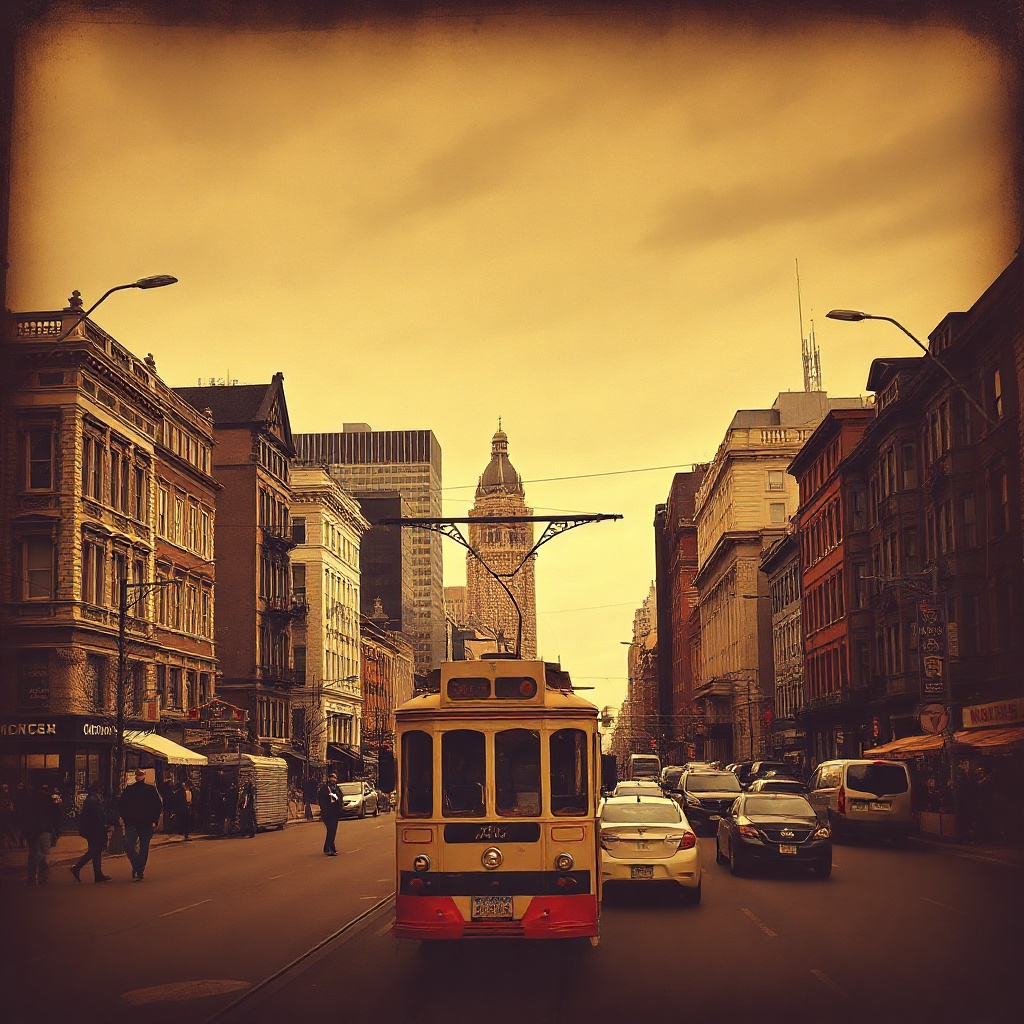
Great for foodies and night owls.
– Griffintown and Little Burgundy: Former industrial zones turned lively with new restaurants, galleries, and condo developments—smart picks for modern amenities.
– Hochelaga-Maisonneuve: An up-and-coming area with an affordable, community-driven vibe and growing food scene.
– Outremont: Quiet, leafy streets and upscale dining for a more residential experience.
Must-try foods and where to find them
– Bagels: Montreal bagels are distinct—slightly sweeter and wood-fired. Two famous bakeries are worth testing in a taste comparison.
– Smoked meat: A deli classic; order it on rye with mustard for a true local experience.
– Poutine: Comfort food elevated in many restaurants from classic to gourmet.
– Diverse dining: From French bistros to Lebanese, Haitian, and Vietnamese eateries, the city’s culinary diversity is a highlight.
Getting around
– Public transit: The metro covers many core neighborhoods efficiently; buses fill in gaps. A reloadable transit card simplifies travel.
– Light-rail and regional options: Newer transit links are expanding access to suburbs and airports, improving connections across the region.
– Cycling: A popular, practical option with an extensive network of protected lanes and a city bike-share system for short trips.
– Driving: Not necessary for most visitors and often less convenient due to parking and traffic; consider parking on the edge of downtown and switching to transit.
Culture and events
Montreal is famous for its festival culture—music, comedy, film, and cultural celebrations spill into the streets during warmer months, while winter offers its own indoor and outdoor festivities.
Museums, galleries, and theaters maintain a lively calendar year-round, and the city’s film and gaming industries keep a strong creative pulse.
Practical tips
– Tipping: Standard tipping norms align with major North American cities; check receipts for included service.
– Weather prep: Pack for sudden changes; layers are essential across seasons.
– Safety: Like any large city, stay aware of surroundings and use well-lit routes at night.
A city that balances heritage with innovation, Montreal rewards curiosity. Explore neighborhoods slowly, follow local recommendations for food and nightlife, and you’ll discover the mix of tradition and reinvention that gives the city its distinctive character.