Montreal blends European charm with North American energy, making it a top destination for culture, food, and sustainable city living. Whether you’re planning a short visit or looking to explore neighborhoods more deeply, this guide highlights what makes Montreal distinctive and how to enjoy the city like a local.
Why Montreal stands out
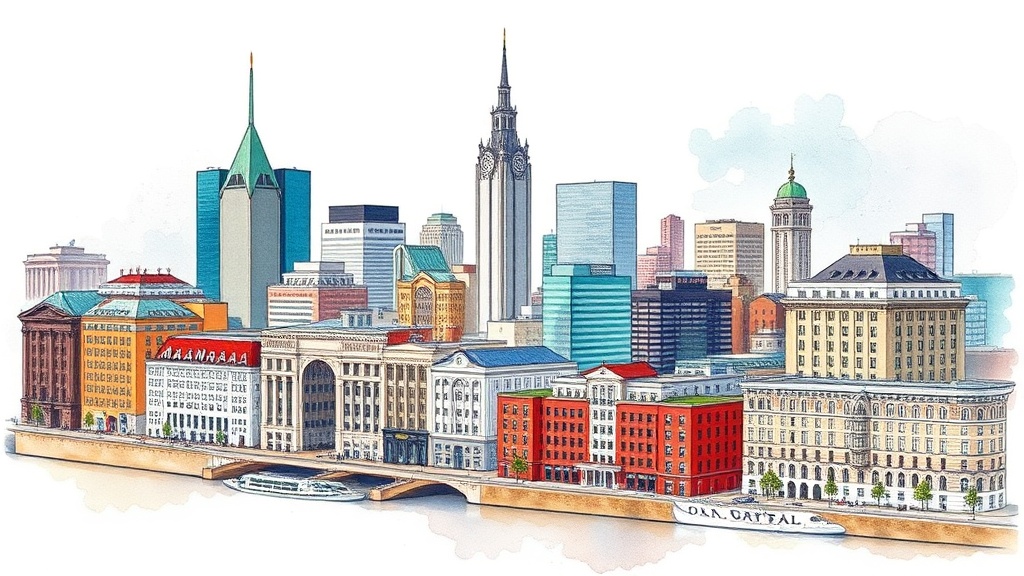
Montreal’s layered identity shows in its architecture, bilingualism, and lively street life.
Historic cobblestone streets in the Old Port meet contemporary art districts and leafy residential blocks. The result is a walkable city where festivals, cafés, and public spaces are part of everyday life.
Must-see neighborhoods
– Old Montreal: Narrow streets, historic buildings and waterfront promenades offer a scenic introduction.
Look for art galleries, independent boutiques, and waterfront cycling paths.
– Plateau Mont-Royal & Mile End: Known for colorful murals, indie shops, and a café culture that fuels artists and creatives. This area is ideal for leisurely strolls and sampling local bakeries.
– Griffintown & Pointe-Saint-Charles: Former industrial zones reinvented into modern residential and tech hubs, with riverside parks and easy access to downtown.
– Verdun & Lachine Canal: Perfect for outdoor activities—walking, cycling, and waterfront dining—these neighborhoods are popular with families and anyone who enjoys a relaxed vibe.
A food scene worth exploring
Montreal’s culinary identity is a delicious mix of tradition and innovation. Classic must-tries include Montreal bagels and smoked meat sandwiches, while inventive chefs put fresh spins on Québécois and international dishes. Street food vendors, farmers’ markets, and neighborhood bistros make it easy to sample local specialties. For coffee lovers and brunch seekers, cozy cafés and specialty roasters dot the city in every neighborhood.
Culture and festivals
Culture is woven into Montreal’s rhythm. The city hosts a steady stream of festivals and performances that celebrate music, comedy, film and the arts, many taking place in pedestrian-friendly squares and cultural corridors.
Museums and galleries offer rotating exhibitions that reflect local and global perspectives, so it’s worth checking listings before you go.
Getting around
Montreal’s transit network combines metro lines, buses, and expanding rail connections, making most parts of the city accessible without a car. Cycling infrastructure has improved significantly with dedicated bike lanes and a popular bike-share program that makes short trips convenient. Walking remains one of the best ways to discover hidden cafés, murals, and parks.
Tips for visitors and newcomers
– Buy transit passes for multiple-day visits or consider monthly options for longer stays.
– Explore neighborhoods by foot or bike to discover local shops and eateries you won’t find in guidebooks.
– Try both classic and modern dishes: sample a bagel from a longstanding bakery, then seek out a progressive tasting menu at a contemporary bistro.
– Check festival schedules and museum exhibitions—many events and shows run throughout the warmer months and into the cooler seasons.
Sustainability and urban living
Montreal prioritizes green space and active mobility, with ongoing investments in parks, riverside corridors, and bike infrastructure. Community gardens and local markets contribute to a strong farm-to-table culture, and many cafes and restaurants emphasize seasonal, locally sourced ingredients.
Whether you’re drawn by the food, the arts, or urban exploration, Montreal offers a layered experience that encourages slow discovery. Pack comfortable shoes, an open schedule, and a readiness to wander—some of the best moments come from simply following the city’s streets and sounds.