Montreal balances European charm with North American energy, creating a city that rewards curious travelers and locals alike. Whether you’re drawn by food, culture, outdoor life, or neighborhood discovery, the city offers a compact, walkable experience with surprises around every corner.
Food and drink
Montreal’s culinary scene is a major draw. Classic must-tries include bagels from small bakeries, iconic poutine variations, and smoked-meat sandwiches from long-standing delis. Beyond staples, the city has a vibrant restaurant scene where inventive chefs blend local ingredients with global techniques.
Food markets such as Jean-Talon and Atwater showcase seasonal produce, charcuterie, and artisanal goods—perfect for sampling on the go or assembling a picnic.
Coffee and microbreweries have become part of everyday culture. Independent cafés emphasize expertly roasted beans and relaxed work-friendly vibes, while a growing number of craft breweries offer tasting rooms and funky taplists. For a memorable evening, pair local beers with a tasting menu in a cozy neighborhood bistro.
Culture and festivals
Montreal is a cultural hub with strong performing arts, music, and comedy scenes. The city hosts large-scale festivals and intimate performances across venues ranging from historic theatres to open-air stages. Street art and gallery spaces populate creative districts, and bilingual programming makes events welcoming to both French and English speakers.
Neighborhoods to explore
– Old Montreal: Cobblestone streets, historic architecture, and the waterfront make this area ideal for daytime strolls and architecture lovers.
– Plateau-Mont-Royal and Mile End: Bohemian cafés, vintage shops, and independent boutiques define these neighborhoods—great for wandering, people-watching, and discovering local designers.
– Griffintown and Old Port areas: A mix of modern development and industrial heritage, with waterfront paths and contemporary dining options.
– Little Italy: A smaller-scale, authentic community feel with great cafés, bakeries, and a strong market culture.
Outdoor life and active options
The city’s green spaces are surprisingly abundant.
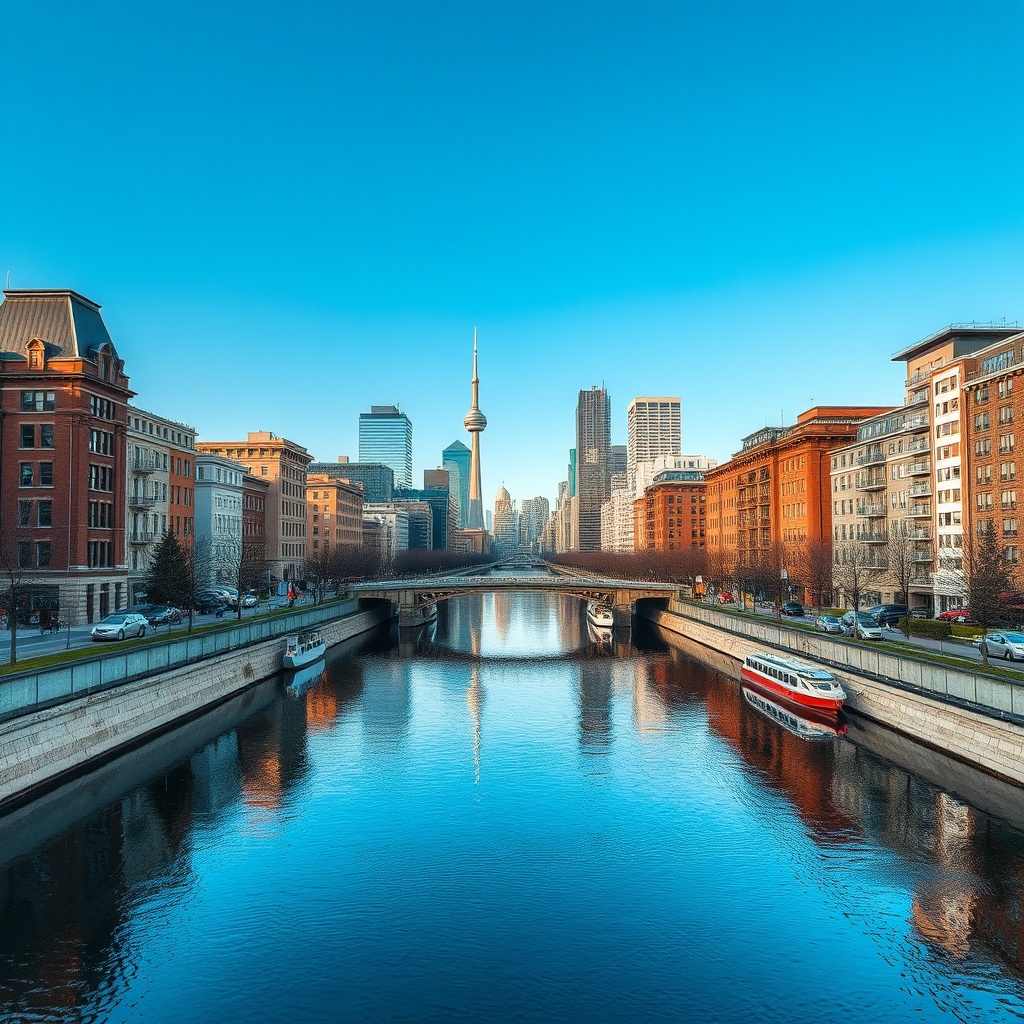
Mount Royal offers quick urban escapes with panoramic viewpoints and forested trails. The Lachine Canal and extensive bike paths encourage cycling, rollerblading, and casual waterfront walks. Bike-share systems and well-maintained lanes make short trips easy; bring layers, as weather can shift quickly.
Winter activities reshape the city rather than slow it down. Outdoor skating rinks, cozy cafés, and winter-specific festivals keep the calendar lively, and many public spaces are designed to remain usable year-round.
Getting around
Public transit is efficient for most touring needs.
The metro network connects key neighborhoods, supplemented by buses and commuter options.
Newer rail and network expansions continue to reshape regional connections, while ride-shares and taxis fill in gaps. For short trips in warmer months, bike-share programs are convenient and widely available.
Practical tips
– Language: French is the official language, but English is widely understood—polite French greetings are appreciated.
– Tipping: Standard service expectations align with North American norms.
– Packing: Layering works best; the city’s microclimates can vary between waterfront and inland neighborhoods.
– Reservations: Popular restaurants and performances can fill up quickly—book ahead when possible.
Montreal rewards those who linger, sample widely, and move at a neighborhood pace. Build an itinerary that balances signature experiences—food markets, a cultural performance, a waterfront walk—and leave room for detours; some of the best moments happen off the main streets.