Montreal’s public life is a study in contrasts: a compact, walkable core punctuated by green ridges, a food scene that blends old-school staples with bold global flavors, and a steady push toward greener, more human-centered streets. For residents and visitors alike, the city’s evolving public spaces and mobility options are shaping how people work, eat, and play.
Public spaces and pedestrian culture
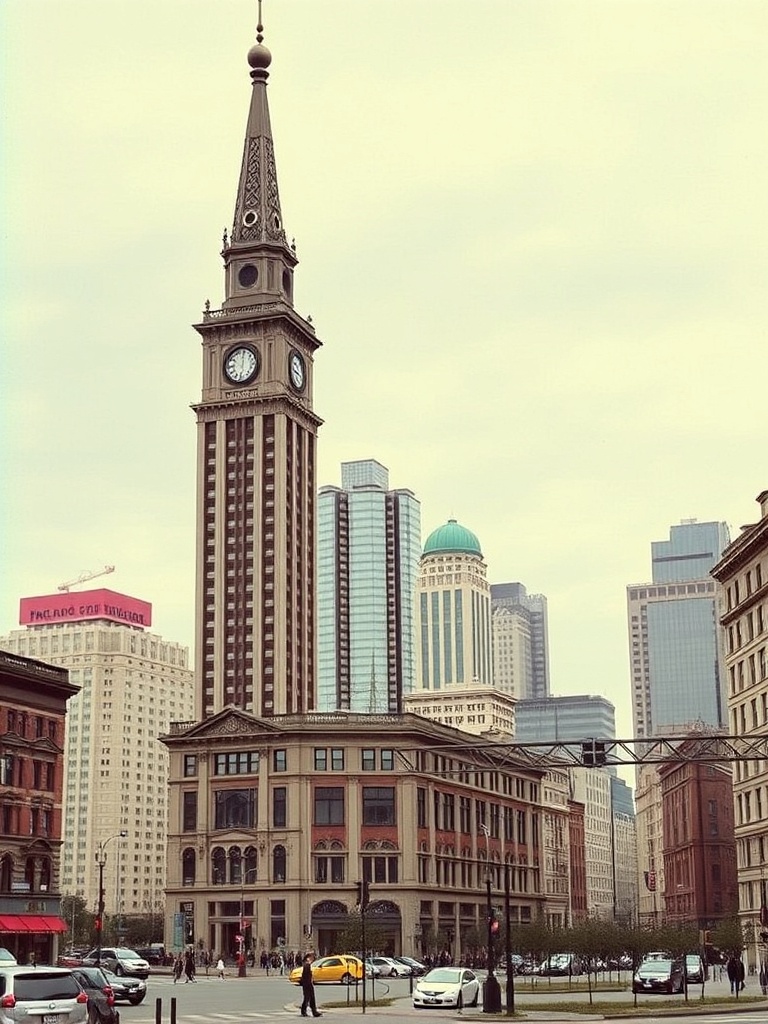
Montreal has invested in turning streets into social places.
Pedestrianized stretches of downtown and neighbourhood plazas invite lingering — cafés spill onto sidewalks, pop-up markets appear in unexpected corners, and free outdoor programming draws crowds during warmer months. The Quartier des Spectacles remains a focal point for cultural life, while independent squares in Plateau and Mile End foster a neighbourhood vibe with boutiques, music, and art.
Parks and waterfront access
Mount Royal’s lookout is still one of the most iconic vantage points, and the city’s network of parks provides year-round recreation opportunities.
The Lachine Canal offers a scenic ribbon of pathway for walking, running, and paddling, connecting industrial heritage with modern leisure.
Markets such as Jean-Talon and Atwater keep food culture rooted in seasonality, where local producers and specialty shops create a lively morning ritual.
Cycling, micromobility, and transit
Active transportation continues to expand, with more protected bike lanes, bike-share options, and dedicated routes making cycling a practical choice for commuting and leisure. BIXI remains a popular way to hop between neighbourhoods, and app-based e-scooters and e-bikes add flexibility for short trips. The metro and bus network still form the backbone of daily travel, and connections between transit and micromobility are improving to make first- and last-mile trips smoother.
Culinary scene: tradition meets innovation
Montreal’s food identity is both comforting and adventurous.
Classic institutions serving smoked meat sandwiches and wood-fired bagels sit comfortably alongside inventive restaurants exploring plant-forward menus, global spice palettes, and zero-waste approaches. Food halls and neighbourhood bistros are go-to spots for sampling multiple cuisines in one outing, and craft breweries and artisan cafés fuel a vibrant local beverage culture.
Neighbourhoods worth exploring
Each borough has a distinct personality. The Plateau offers bohemian streets, colourful architecture, and small galleries; Mile End has an indie-music and arts pedigree with hidden cafés; Griffintown blends converted warehouses and modern condos with a growing list of restaurants and design shops; Old Montreal showcases cobblestone streets, architecture, and riverside promenades that attract sightseeing crowds.
Sustainable initiatives and urban resilience
Greening strategies are increasingly visible: tree-planting campaigns, support for rooftop gardens, and stormwater-friendly landscaping help the city adapt to changing weather patterns. Community-driven projects and municipal incentives also encourage local food production, energy retrofits, and active transport — small-scale actions with cumulative impact on urban life and health.
Practical tips
– Walk or cycle where possible: many attractions are clustered and easier to enjoy at a slower pace.
– Visit markets in the morning for the freshest selections and a lively local atmosphere.
– Layer clothing if you plan to be outdoors all day — weather can feel different between shaded parks and sunlit streets.
– Reserve popular restaurants in advance, especially on weekends and during major festival periods.
Whether you’re drawn by cultural programming, culinary exploration, or simply the pleasure of wandering vibrant streets and green corridors, Montreal offers a rich mix of experiences that reward curiosity and a willingness to explore beyond the main tourist routes.