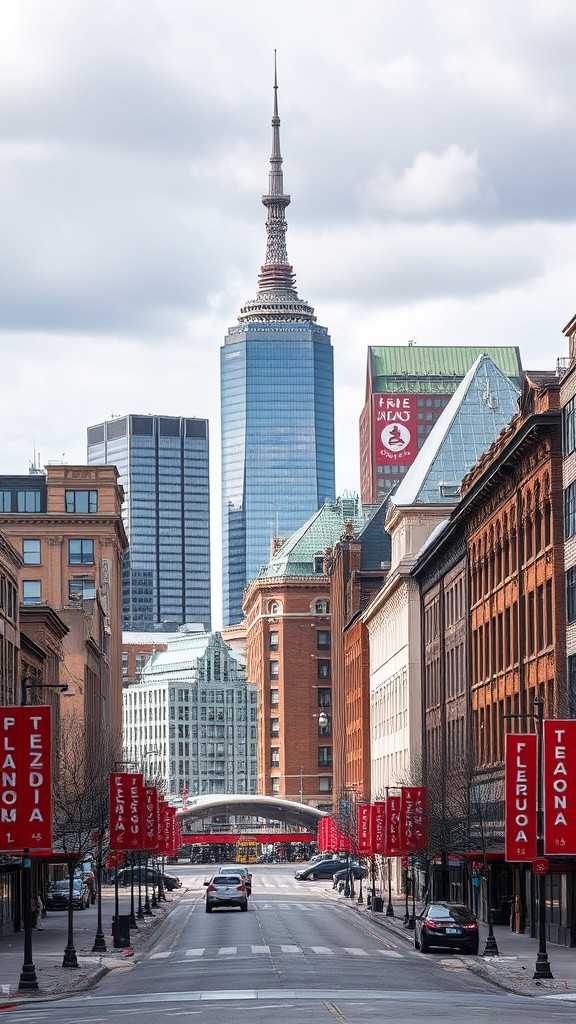
Montreal blends European charm with North American energy, creating a city that feels both familiar and surprising. Whether you’re visiting for a weekend or living here, the mix of neighborhoods, food culture, transit options, and green space makes Montreal a standout urban destination.
Neighborhoods with distinct personalities
– Old Montreal: Cobblestone streets, historic architecture and the Old Port create a picturesque core. It’s ideal for strolling, riverfront views and boutique hotels.
– Plateau-Mont-Royal and Mile End: Known for colorful row houses, independent galleries, specialty coffee shops and classic bagel bakeries. These areas are a magnet for creative types and food lovers.
– Griffintown and Little Burgundy: Once industrial, now reimagined with condos, design studios and waterfront paths.
Little Burgundy keeps a strong music heritage and jazz roots.
– Jean-Talon and Atwater markets: Vibrant food markets where local producers showcase seasonal produce, cheeses and prepared foods—great for sampling regional flavors.
Food culture that rewards exploration
Montreal’s culinary scene ranges from iconic dishes to cutting-edge restaurants.
Don’t miss the classic smoked meat sandwiches and unmistakable Montreal bagels—each neighborhood has its take.
The city also boasts a thriving fine-dining scene and a growing roster of plant-forward and international concepts. Farmer’s markets, artisanal bakeries and late-night diners ensure there’s always something new to try.
Accessible transit and easy navigation
Public transit is practical for getting around city neighborhoods, with metro lines and buses covering core areas.
The Réseau express métropolitain (REM) has reshaped some commutes and improved connections to the airport and suburbs, while BIXI’s bike-share program and an expanding network of protected bike lanes make cycling convenient for short trips. For visitors, reusable transit cards and rideshare options simplify travel across the island.
Parks, waterways and outdoor life
Outdoor living is part of the city’s DNA. Mount Royal (Parc du Mont-Royal) offers lookout points and trails close to downtown. The Lachine Canal and the St.
Lawrence riverfront have been revitalized with pedestrian paths, picnic spots and kayak rentals.
Parc Jean-Drapeau stages cultural events and provides green space steps from the core. For a quieter pace, neighborhood parks and community gardens are easy to find.
Culture, festivals and nightlife
Montreal is a cultural powerhouse with theaters, museums and concert venues clustered near the Quartier des Spectacles. Major festivals bring music, comedy and arts to public squares, while smaller galleries and indie venues support experimental work.
The bilingual atmosphere means events often mix French and English, enriching the cultural fabric.
Practical tips for visiting or settling in
– Pack layers: weather can change quickly and neighborhoods vary in shade and exposure.
– Learn a few French phrases: many residents are bilingual, and polite French opens doors.
– Explore on foot and by bike: neighborhoods reveal themselves best at walking pace.
– Book popular restaurants and attractions in advance, especially during festival periods.
Montreal invites curiosity. From neighborhoods that evolve through the seasons to a food scene that keeps surprising, the city rewards both repeat visitors and newcomers with a lively, evolving urban experience.