Canada’s lifestyle blends big-city convenience, vast wilderness and a multicultural social fabric that shapes daily life across the country. Whether you’re a long-time resident, planning a move, or simply curious, understanding the hallmarks of Canadian living helps set expectations and highlights what many people enjoy most.
Outdoor-first mentality
Access to nature is central.
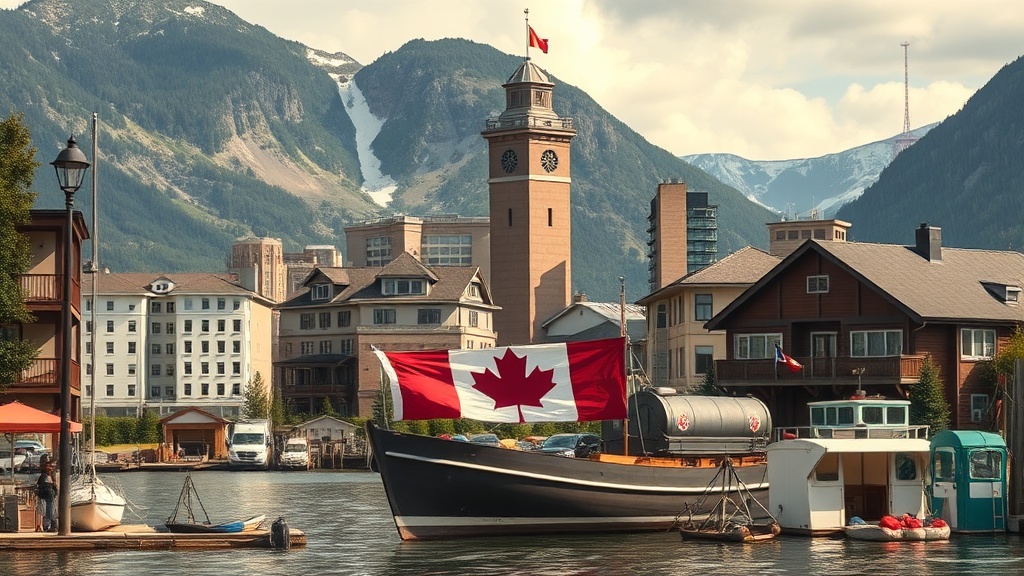
Cities sit within short drives of parks, lakes, and hiking trails, while rural areas offer direct access to forests, rivers and coastline. Seasonal activities vary from canoeing and cycling to skiing and snowshoeing, with public parks and community trails encouraging regular outdoor exercise. Many neighborhoods prioritize green space and active-transport routes, making outdoor recreation part of everyday routines.
Multicultural urban centers
Major urban areas are cultural mosaics where global cuisine, festivals and neighbourhoods reflect diverse communities. Food scenes range from casual comfort foods and local specialties—like maple-flavored treats and regional classics—to an abundance of international restaurants and specialty markets. Cultural institutions, galleries and music venues keep a steady calendar of events that appeal to broad audiences.
Work-life balance and flexible work
Work culture tends to value balance, with growing emphasis on flexible schedules and remote work options. Employers increasingly support wellness benefits, paid time off and family-friendly policies. Communities support that balance with accessible childcare services, recreation centres, and a strong network of volunteer and family activities.
Public services and healthcare
A publicly funded healthcare system provides primary care accessible to residents, complemented by private providers for services such as dental and prescription drugs in some cases. Public education is well-established and supplemented by a wide network of community programs, libraries and recreational classes. Municipal services focus on maintaining walkable, safe neighbourhoods and accessible public transit in denser areas.
Bilingualism and regional differences
English and French share official status at the national level, and bilingualism is most prominent in certain provinces and communities. Regional identities strongly influence lifestyle: coastal regions emphasize seafood and boating cultures, prairie provinces lean into agriculture and wide-open spaces, and urban regions emphasize tech, finance and arts industries. This regional diversity makes it possible to find a lifestyle that suits preferences for pace, climate and community size.
Cost of living and housing
Housing costs vary widely. Large metropolitan centres can be costly, prompting many to consider nearby suburbs or smaller cities for affordability. Rural living offers space and lower housing prices but may require longer commutes and more reliance on personal vehicles.
Many communities offer robust public transit, cycling lanes and car-sharing programs to reduce transport costs.
Community, safety and social supports
Community engagement is strong, with plentiful volunteer opportunities, neighbourhood associations and cultural clubs. Safety tends to be high, and community services—like newcomer support and multicultural centers—help people connect and settle. Indigenous cultures contribute deep historical roots and contemporary influence across arts, policy and community life; respectful engagement and learning are part of the social fabric.
Practical tips
– Embrace local seasons: invest in appropriate gear for both warm and cold weather to fully enjoy outdoor life.
– Explore neighbourhoods: try transit, local shops and parks before choosing where to live.
– Get involved: community centres and volunteer organizations are effective ways to meet people and build networks.
– Learn about regional customs and languages: bilingual skills or openness to local cultures pays dividends.
With abundant natural beauty, community-minded cities and a strong emphasis on quality of life, this lifestyle offers many ways to balance work, recreation and cultural engagement.
Explore regions, sample local food scenes, and lean into community — those are often the best ways to experience what living here feels like.