The Toronto Raptors have become a model of sustainable team building, blending smart scouting, player development, and a distinct identity that keeps them competitive in a crowded league. While headline moves attract attention, the real strength of the franchise lies in its system: a development pipeline, a commitment to versatile defense, and an eye for international talent.
At the core of the Raptors’ approach is player development. Raptors 905, the club’s G League affiliate, functions as more than a minor-league team — it’s an incubator where role players and late bloomers refine skills, learn defensive schemes, and gain confidence with meaningful minutes. That pathway has repeatedly turned second-round picks and undrafted players into rotation contributors at the highest level. For fans and analysts, the 905 represents a reliable indicator of future depth and a reason the Raptors can operate with roster flexibility.
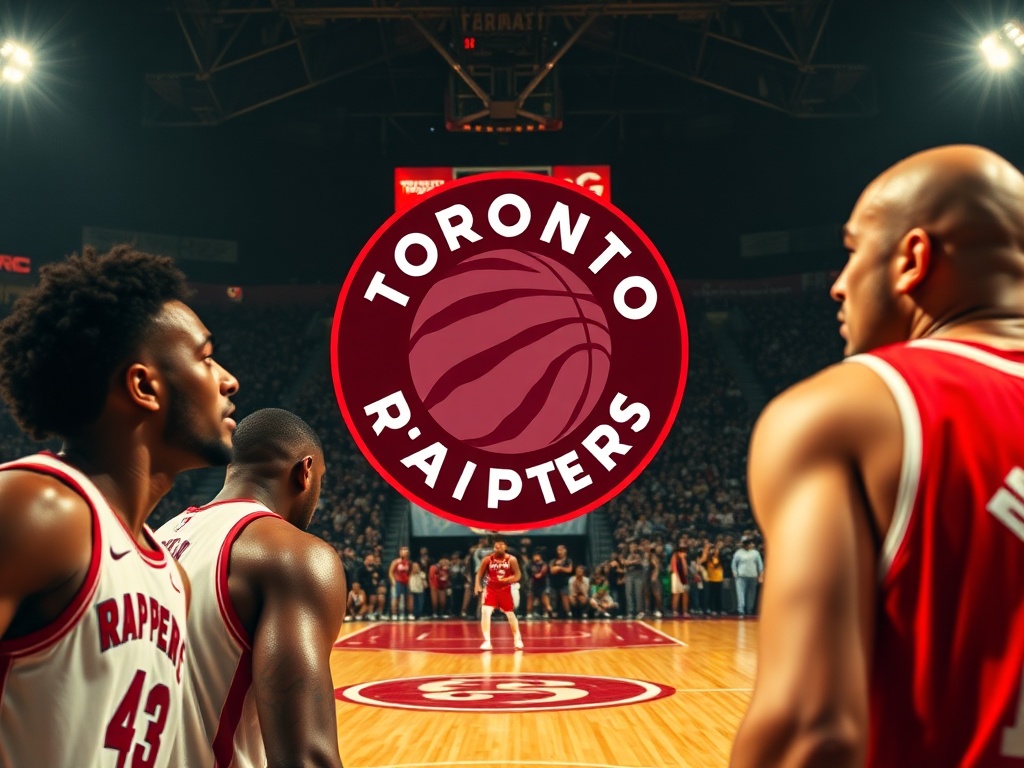
Defensively, the Raptors have cultivated an identity built on switchability and team effort.
Rather than relying solely on one-on-one isolation defense, the squad emphasizes communication, help rotation, and using length to contest shots. This approach allows the team to adapt to modern positional versatility, where wings guard multiple spots and guards must be ready to hedge and recover. The result is a defense that can frustrate more star-driven offenses and create transition scoring opportunities.
Offense has evolved around efficiency. Three-point shooting and floor spacing remain priorities, but so does playing inside-out to leverage high-motor forwards and dynamic drives. Ball movement and pace are tailored to the roster’s strengths: if the team has a primary creator who can attack closeouts, the offense spaces the court to create catch-and-drive and kick-out opportunities.
At the same time, developing younger players’ playmaking and decision-making keeps the offense unpredictable and harder to scout.
Front-office strategy blends analytics with global scouting. The Raptors are known for mining international markets and late-developing prospects, a trait that reflects both the city’s multicultural identity and a practical approach to talent acquisition.
This international lens has produced high-upside players who might be overlooked in conventional scouting pipelines. Complementing that is a disciplined salary approach: balancing veteran contracts with affordable, controllable pieces helps maintain flexibility for in-season adjustments.
Fan culture in Toronto is a competitive advantage.
Scotiabank Arena provides a raucous, knowledgeable environment where every game feels consequential.
The city’s growing basketball infrastructure — courts, youth programs, and high-performance academies — fuels a deep talent pool and passionate support that translates into recruiting appeal and brand strength.
What to watch going forward: player development trajectories, the health and depth of the wing rotation, and the front office’s use of cap space and draft capital. Trades and midseason pickups can tilt a playoff outlook, but the Raptors’ historical edge has been turning modest moves into meaningful gains through coaching and development.
Community engagement also remains central. The franchise invests in youth programs, grassroots clinics, and partnerships that promote basketball participation across diverse neighborhoods. That community focus not only builds future fans but also contributes to the team’s long-term talent ecosystem.
For observers, the Raptors are a case study in sustainable competitiveness: a franchise that pairs on-court strategy with off-court development and community roots. Whether through homegrown surprises from the G League, savvy international scouting, or a cohesive defensive identity, the Raptors continue to offer a model for how a team can remain relevant without chasing headline splurges.