Montreal’s mobility makeover: how to get around like a local
Montreal is known for its vibrant neighborhoods, festivals, and layered history—and the way people move through the city has become part of that identity.
A growing mix of transit options, cycling infrastructure, and pedestrian-friendly streets is reshaping how residents commute and how visitors explore.
Transit backbone and connections
The island’s transit network remains anchored by the metro and bus systems, which provide reliable access across boroughs. Complementing that backbone, the city’s regional express rail project has extended rapid connections between central hubs and outlying neighborhoods, making it easier to commute without a car. For shorter trips, feeder buses and the metro’s multi-line network offer convenient transfers; digital trip planners and mobile fare options simplify route planning.
Cycling and active transport
Cycling culture is strong in Montreal. A comprehensive network of bike lanes and dedicated routes spans core neighborhoods and riverside paths, including scenic loops that pass parks and waterfronts. A widely used bike-share service makes one-way and round-trip rides accessible for residents and visitors alike.
Expect to find ample bike parking and growing support for cargo bikes and bike-friendly local businesses.
Micro-mobility and shared options
Electric scooters and shared e-bikes have become a familiar sight, especially in dense neighborhoods and along tourist corridors. Regulations have been adjusted to balance safety and accessibility, and many companies now offer clear maps and speed-limiting features to keep riders safe. When using micro-mobility services, always follow local rules, use bike lanes where provided, and park devices in designated zones to avoid blocking sidewalks.
Walking and pedestrian-first streets
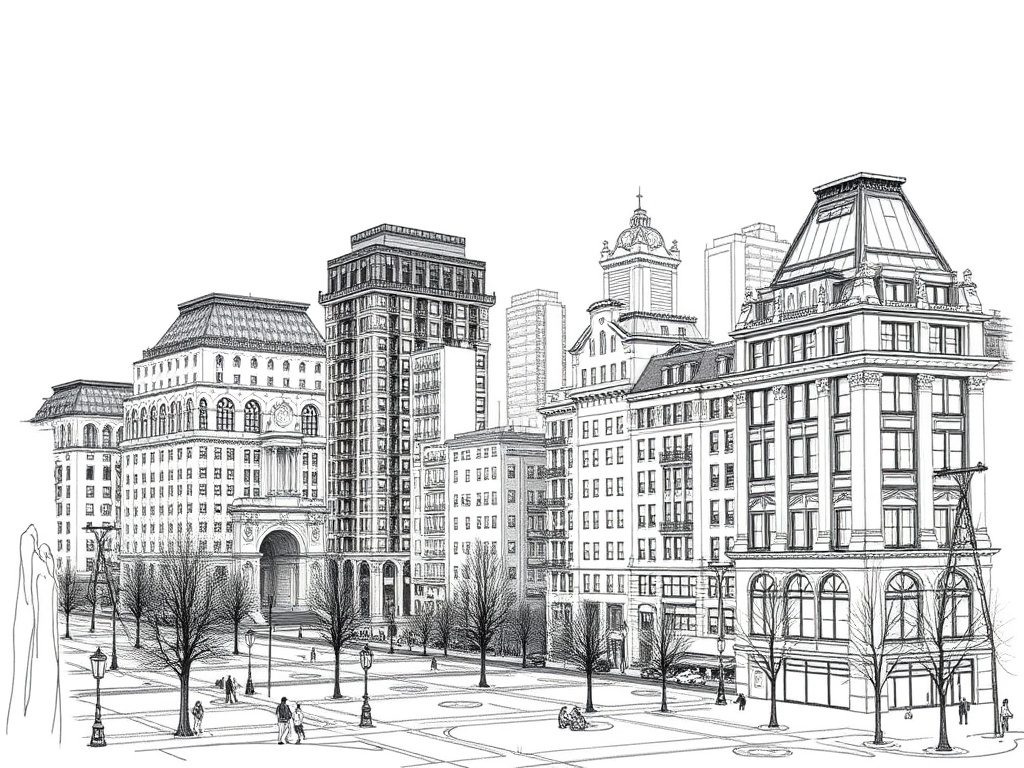
Several streets and squares have shifted toward pedestrian priority, with widened sidewalks, outdoor seating, public art, and traffic calming measures. Neighborhoods like the Plateau, Mile End, and Old Montreal reward walking—each offers a distinct vibe, from bohemian boutiques to cobblestone charm. For a panoramic walk, Mount Royal Park provides city views and well-maintained trails that are popular with joggers and families.
Practical tips for getting around
– Buy a reloadable fare card or use contactless mobile payments for seamless transfers across modes.
– Check live arrival apps for buses and metro lines to avoid long waits.
– If renting a bike or scooter, wear a helmet and obey traffic signals; sidewalks are often off-limits for motorized devices.
– Avoid rush-hour peak windows on major arteries if you prefer quieter streets and shorter travel times.
– For airport connections or trips outside central Montreal, check regional express options and park-and-ride facilities.
Sustainability and urban planning
Sustainable mobility is a priority: electric buses are joining fleets, and incentive programs encourage carpooling and reduced private-car dependence. Streetscaping projects focus on green infrastructure—tree planting, permeable surfaces, and stormwater management—so that mobility improvements also enhance urban livability.
Why this matters for visitors and residents
Getting around efficiently lets you spend more time enjoying Montreal’s cuisine, galleries, markets, and parks. For residents, expanded transit choices and active-transport improvements help reduce commute stress and support local businesses. For visitors, embracing multimodal travel makes it easy to explore diverse neighborhoods without the hassle of parking.
Whether you’re here for a weekend or planning daily life in the city, taking advantage of Montreal’s evolving mobility options turns travel time into part of the experience—safer, greener, and more connected than ever.