Canada’s vastness is its greatest invitation: dramatic coastlines, rugged mountains, sweeping prairies and ice-sculpted Arctic skies combine to create one of the world’s most varied travel playgrounds. Whether you’re chasing the Northern Lights, sampling regional cuisine, or following scenic roads that unfurl past turquoise lakes and wind-sculpted forests, Canada rewards explorers who embrace slow, mindful travel.
Highlight destinations and experiences
– Mountain escapes: The Rockies deliver alpine vistas, hiking, glacier viewpoints and hot springs. Wilderness lodges and well-marked trails make nature access straightforward for newcomers and seasoned hikers alike.
– Coastal adventures: On both coasts, sea-based activities shine. Whale watching, tidepooling, and rugged coastal drives offer encounters with marine life and Indigenous coastal communities.
– Cities with personality: Urban centers blend world-class museums, diverse food scenes and vibrant neighborhoods. Expect excellent public transit and strong walkability in most downtown cores.
– Northern horizons: The far north is a magnet for aurora seekers and polar-adventure travelers. Remote communities offer guided cultural experiences and wildlife viewing that are hard to match elsewhere.
– Heritage and small towns: Historic streets, preserved forts, lighthouses and craft communities make for compelling side trips off major routes.
Cultural experiences and responsible travel
Indigenous tourism is increasingly prominent, offering immersive cultural programs led by Indigenous guides. Respectful engagement means following protocols: ask permission before photographing people or cultural sites, buy directly from Indigenous artisans when possible, and listen to local guidance on culturally sensitive areas.
Sustainability matters here. Many parks and operators emphasize Leave No Trace principles, carbon-conscious activities and conservation-focused tourism. Choose outfitters with clear sustainability practices and prioritize low-impact activities like guided hikes, canoe trips and community-led tours.
Practical travel tips
– Plan for varied weather: Weather can change quickly between regions and elevations.
Layered clothing and waterproof outerwear keep you comfortable from coast to mountain.
– Seasonal timing: Summer offers the fullest range of outdoor activities; shoulder seasons provide lower crowds and strong value; winter unlocks ice and snow adventures but requires extra preparation for cold and road conditions.
– Transportation: Road trips along national highways and scenic byways are a classic way to see the country, with regional ferries linking islands and coastal communities. Long-distance rail and domestic flights connect major hubs for those covering large distances.
– Wildlife safety: Observe wildlife from a distance, secure food and trash at campsites, and follow local guidance about bear safety and marine mammal viewing. Professional guides improve both safety and the quality of wildlife encounters.
– Entry and local rules: Entry requirements, park permits and provincial travel rules vary—check official government and park sources before departure.
Food and drink to try
Canada’s regional cuisine reflects its geography: fresh Atlantic seafood, West Coast salmon and shellfish, prairie beef and grains, and maple-forward dishes across the country. Vibrant coffee, craft beer and wine scenes thrive in many regions—sampling local producers is an easy way to connect with place.
Making the most of your visit
Book popular experiences and accommodations ahead for prime seasons, favor local guides for authentic insights, and set aside time for unplanned discoveries. The best memories often come from a roadside viewpoint, a quiet forest trail or a conversation with a local artisan.
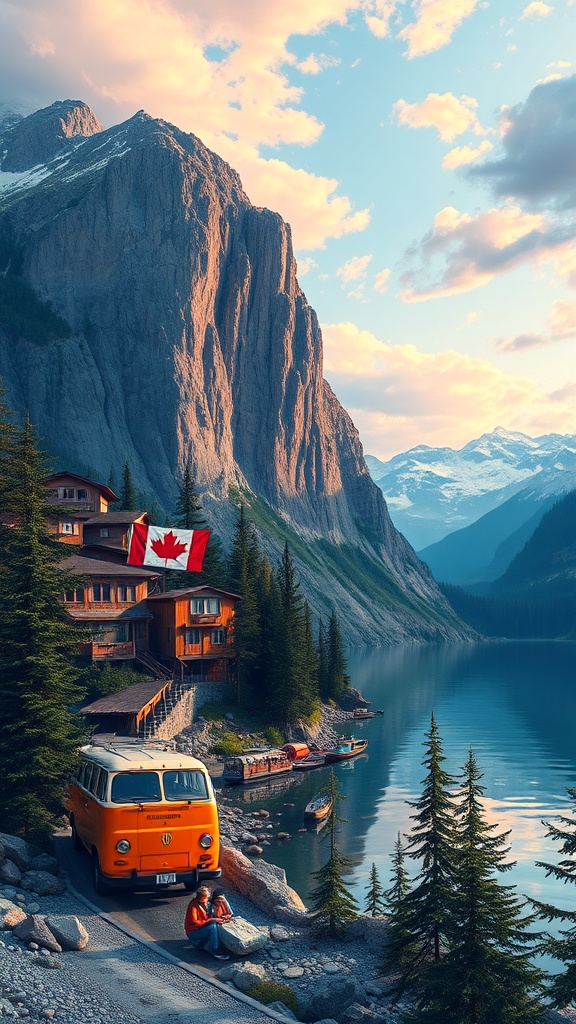
Traveling through Canada is about spanning contrasts—modern cities and wilderness silence, deep cultural histories and ever-shifting natural spectacles. With curiosity, respectful behavior and a flexible schedule, visitors can experience the country’s full range of wonders while contributing positively to the communities and landscapes they visit.