Edmonton’s River Valley: an urban oasis worth exploring
Edmonton’s river valley stretches through the city as a green spine, offering a mix of natural habitat, recreational opportunities, and cultural destinations.
Often celebrated as one of the largest urban park systems in North America, the river valley is more than scenery — it’s a year‑round playground that shapes how Edmontonians live, move, and play.
Why the river valley matters
The North Saskatchewan River carved deep ravines and connected a mosaic of parks, creeks, and woodlands that now provide habitat for wildlife and refuge for people. The valley functions as a climate buffer, helps manage stormwater, and supports biodiversity right inside the urban core.
For residents and visitors, it’s an accessible escape from busy streets: wide trails, hidden viewpoints, picnic grounds, and sandy riverbanks create endless ways to unplug.
Top activities and where to go
– Walking and running: Miles of multiuse trails link downtown to neighbourhoods like Old Strathcona and Highlands. Popular routes include paths that hug the riverbanks and quieter trails through mature stands of poplar and spruce.
– Cycling and mountain biking: Paved trail sections suit commuters and casual cyclists, while singletrack and technical trails in ravines are favorites for off‑road riders.
Bike rentals and guided tours are easy to find near Whyte Avenue.
– Winter adventures: Snowshoeing, cross‑country skiing and brisk winter hikes keep the valley active when temperatures drop. Stairs and lookout points offer dramatic views over iced river channels.
– Family outings: Large picnic areas, playgrounds and splash pads make the valley a practical choice for family days. Fort Edmonton Park and the Muttart Conservatory are close by for a cultural add‑on.
– Events and culture: Many festivals and community events use river valley venues — from outdoor concerts to cultural gatherings — linking natural settings with arts and food.
Protecting and improving the valley
A mix of municipal planning and community partnerships focuses on managing invasive plants, restoring native species, improving accessibility and building safe connections between neighbourhoods. Recent investments aim to expand trail connections, add viewing platforms and enhance signage for trail etiquette and wildlife awareness. Volunteer cleanups and stewardship programs are common — joining one is an easy way to give back.
Practical tips for a better visit
– Wear sturdy footwear and dress for changing weather; the valley can be cooler and windier than nearby streets.
– Respect wildlife: keep your distance, secure food, and follow leash rules for dogs.
– Stay on designated trails to protect sensitive vegetation and reduce erosion.
– Check local transit or park maps for the best access points and closures before you go. Many popular spots are reachable by public transit and bike routes.
– Bring water and a small emergency kit; cell reception can be spotty in deeper ravines.
Nearby highlights
Old Strathcona and Whyte Avenue are buzzing with cafes, boutiques and nightlife after a day on the trails. Downtown attractions like the Ice District and riverfront promenades allow a smooth transition from nature back to urban amenities.
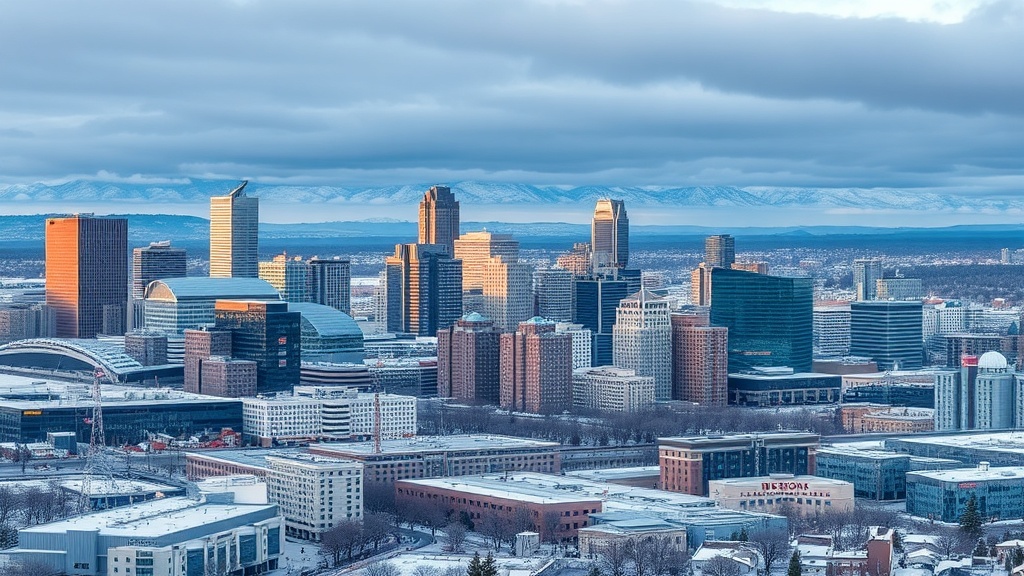
The river valley is both a natural asset and a living part of Edmonton’s civic identity. Whether you’re seeking fitness routes, peaceful green space, or community events, the valley offers a flexible backdrop for discovery and relaxation.
Plan a route, pack appropriately, and take time to notice how quickly the city’s rhythm slows down once you’re below the river bluffs.