Canadian Culture: A Living Tapestry of Traditions, Innovation and Community
Canadian culture is defined by a dynamic blend of Indigenous heritage, immigrant influence, bilingualism, and a deep connection to landscape.
This mix creates a cultural identity that’s both locally rooted and globally aware—visible in the arts, food, language, and public life.
Indigenous resurgence and cultural leadership
A defining feature of cultural life is the renewed visibility and leadership of Indigenous peoples. Indigenous languages, ceremonies, and artistic practices are being revitalized and shared through community-led programs, urban Indigenous centres, and collaborations with museums and universities.
Land acknowledgments have become more common in public events and institutions, reflecting a growing awareness of history and the importance of reconciliation.
Indigenous storytelling, film, and visual art are increasingly recognized on national and international stages, shaping the broader cultural conversation.
Multiculturalism and immigrant influence
Multiculturalism remains central to Canadian identity.
Cities serve as cultural crossroads where food, festivals, and small businesses reflect global immigrant communities.
Neighborhoods thrive with a mix of cultural shops, restaurants, and community centres, making multicultural experiences part of everyday life.
This diversity influences mainstream culture—from music and fashion to entrepreneurial innovation—while policies at municipal and provincial levels continue to support cultural inclusion and community cohesion.
Bilingualism and language culture
Bilingualism shapes public life and media. French and English coexist in government institutions, education, and arts, with bilingual programming growing across broadcasters and festivals.
Beyond the two official languages, heritage languages flourish in communities, contributing to linguistic diversity and intergenerational cultural transmission. Language learning programs and cultural exchanges help newcomers and long-term residents engage more deeply with regional heritage.
Arts, film and music scenes
Canada’s arts scene is vibrant and varied. Major cities host internationally renowned film festivals, galleries, and concert venues, while regional theaters and community arts groups keep local traditions alive. Musicians blend genres—from folk and indie to hip-hop and electronic—producing crossover appeal that reaches global audiences. Film and television production continue to grow, supported by strong local talent and production infrastructure, attracting creators who tell stories rooted in Canadian places and perspectives.
Culinary culture: comfort food and global fusion
Canadian culinary culture blends comfort staples and world flavours.
Iconic dishes like hearty stews and regional specialties coexist with an explosion of global cuisine in urban centres. Indigenous foodways are gaining recognition in restaurants and markets, emphasizing local ingredients, traditional harvesting practices, and a focus on sustainability. Farm-to-table dining, food festivals, and community markets highlight seasonal produce and a strong connection between food and place.
Outdoor culture and the sense of place
A defining cultural trait is the relationship with nature. Whether in coastal communities, prairie towns, or mountainous regions, outdoor activities—from camping and canoeing to winter sports—shape social life and seasonal traditions. This connection to landscape informs environmental values, conservation efforts, and artistic inspiration across communities.
Festivals and public life
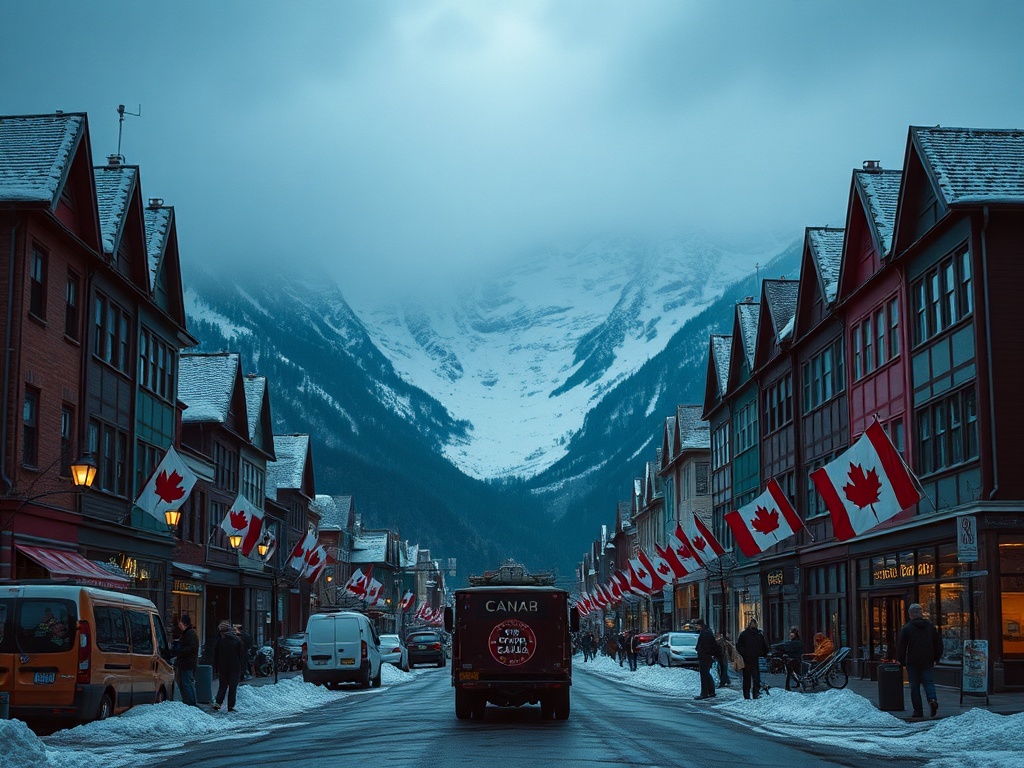
Public festivals—celebrating music, film, food, and cultural heritage—foster community connections and attract diverse audiences.
Street fairs, cultural parades, and community gatherings are common, reinforcing civic pride and providing platforms for emerging artists and entrepreneurs.
Cultural evolution and continuity
Canadian culture continues to evolve while staying grounded in traditions and community bonds. By elevating Indigenous voices, celebrating multiculturalism, supporting bilingualism, and nurturing creative industries, cultural life remains resilient and adaptive—reflecting a nation that values inclusivity, creativity, and a strong sense of place.