Canada offers an extraordinary blend of wild landscapes, vibrant cities, and rich cultural experiences, making it a top choice for travelers seeking variety and adventure. Whether you’re drawn to glacier-fed lakes and mountain peaks, historic cobblestone streets, or whale-watching off an Atlantic coast, Canada delivers unforgettable moments across regions.
Why visit
– Spectacular natural scenery: From the turquoise lakes of the Rocky Mountains to the dramatic coastal cliffs of the Atlantic provinces and the vast tundra of the North, Canada’s national parks and protected areas are prime for hiking, kayaking, and wildlife watching.
– Urban culture and food: Cities blend world-class dining, museums, and festivals with easy access to nature. Enjoy multicultural neighborhoods, craft breweries, and thriving arts scenes.
– Unique wildlife encounters: Polar bear viewing, whale watching, and bird migrations provide nature lovers with one-of-a-kind experiences—always undertaken responsibly to protect animals and habitats.
Top experiences by region
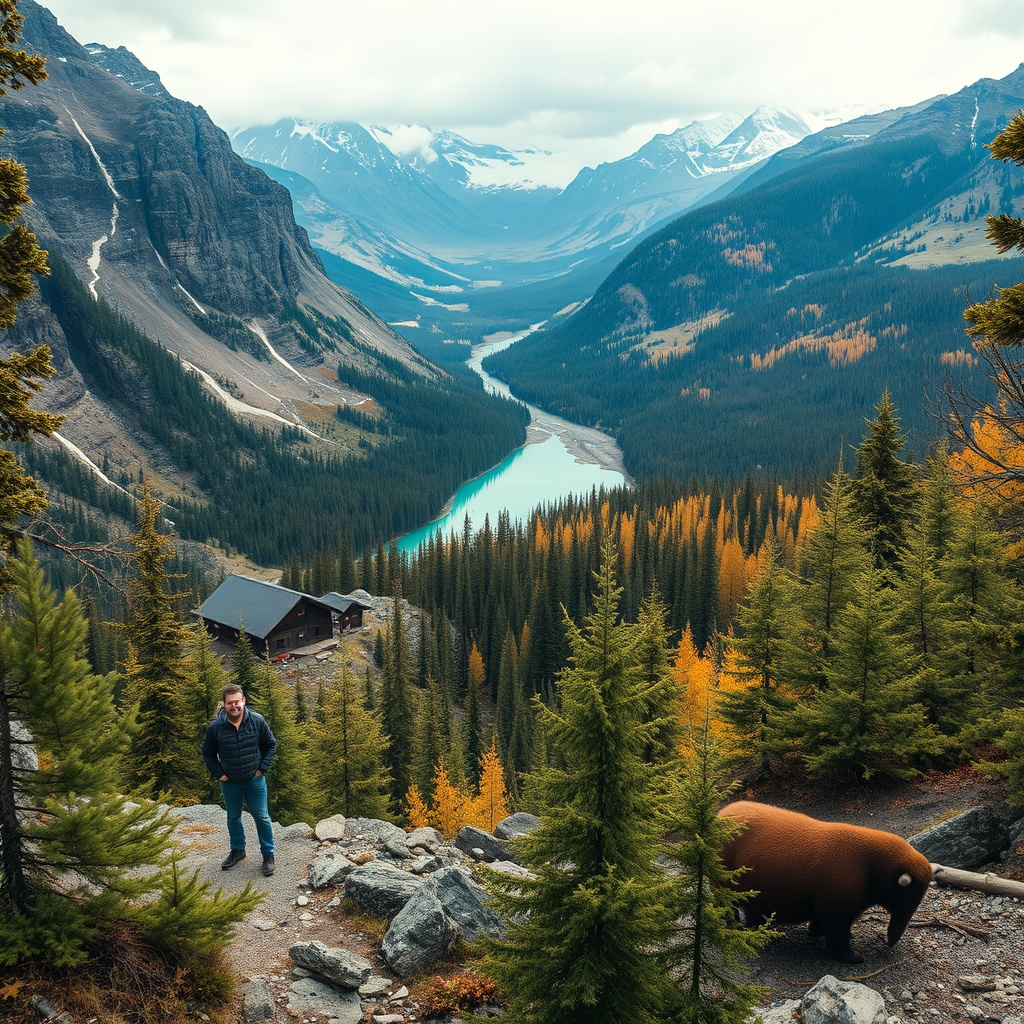
– The Canadian Rockies: Iconic hikes, scenic drives, and glacier viewpoints make this region a must for outdoor enthusiasts.
Lakes with vivid colors and mountain lodges create classic postcard moments.
– Pacific Coast and Vancouver Island: Lush rainforests, rugged coastline, and temperate weather attract hikers, surfers, and wildlife viewers. Coastal towns offer seafood, Indigenous cultural experiences, and whale-watching departures.
– Quebec and the St. Lawrence: Historic Quebec City charms with fortified streets and European architecture, while the St. Lawrence offers whale-watching, maritime heritage, and culinary treats rooted in local traditions.
– Atlantic Canada: Rugged shorelines, lighthouses, and seafood-centric cuisine define this region. Explore scenic drives, fiddle music traditions, and small towns with strong maritime identities.
– The North: For those seeking the aurora borealis, vast tundra landscapes, and deep Indigenous culture, northern territories provide remote, moving travel experiences—best planned with local experts.
– Prairie provinces and cities: Wide-open skies, agricultural landscapes, and vibrant cultural festivals highlight life on the plains, complemented by forward-thinking urban centers with galleries and live music.
Practical tips
– Travel logistics: Entry requirements vary by nationality; check official government sources for visas and electronic travel authorizations before booking. Domestic travel is well served by regional airlines, scenic rail options, and an extensive highway network.
– Best time to visit: Seasons determine activities—summer brings hiking, canoeing, and festivals; winter opens skiing, snowboarding, and northern-light opportunities. Pack layers as weather can change quickly.
– Sustainability and respect: Support local economies by choosing accommodations and tours that prioritize environmental stewardship and community benefit.
Book Indigenous-led experiences to learn from local knowledge and ensure respectful cultural exchange.
– Wildlife etiquette: Observe animals from a safe distance, use binoculars or zoom lenses, and follow park guidelines to minimize disturbance. Never feed wildlife and secure food to prevent habituation.
– Safety and health: Bring bear spray when hiking in recommended areas, carry basic first-aid supplies, and check trail or park advisories before heading out.
Making the most of your visit
Plan a mix of urban and outdoor activities to experience Canada’s contrasts. Pre-book popular routes and seasonal tours—especially for remote northern trips and whale- or bear-watching excursions. Consider purchasing park passes for access to national parks and conservation areas where much of the country’s natural beauty is protected.
Whether chasing waterfalls, tasting regional cuisine, or standing under a sky painted with the aurora, travel to Canada rewards curiosity and a willingness to slow down and soak in both vast landscapes and close-knit communities. With thoughtful planning and respect for local environments and cultures, a trip here can be memorable, responsible, and deeply enriching.