Canada travel blends vast wilderness, vibrant cities, and rich Indigenous cultures into experiences that appeal to every kind of visitor. From glacier-fed mountain ranges and turquoise lakes to rugged Atlantic coasts and high Arctic tundra, the country rewards curiosity with dramatic scenery, wildlife encounters, and authentic cultural exchanges.
Top experiences to consider
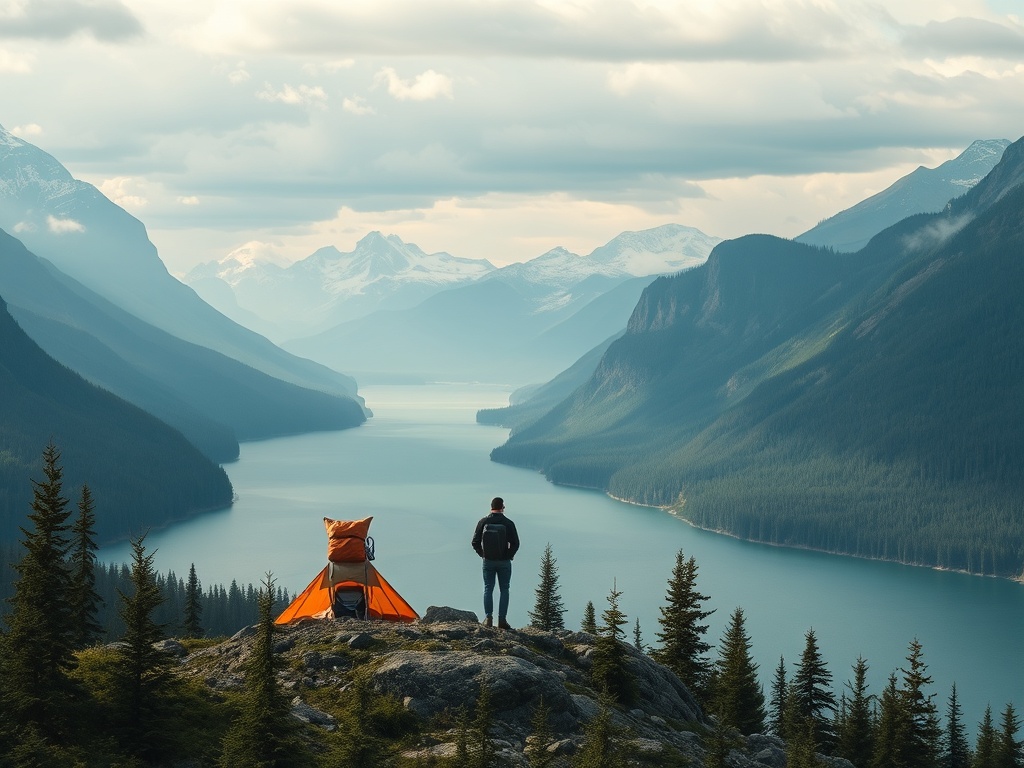
– National parks and wilderness: Explore towering peaks, old-growth forests, and pristine lakes in renowned parks across the country. Backcountry routes, scenic day hikes, and canoe trips offer close-up nature immersion. Many parks operate permit systems for popular trails and campsites, so plan ahead.
– Northern lights and Arctic adventure: Head north for some of the best aurora viewing and to witness vast, open landscapes. Small communities offer guided cultural and wildlife tours that introduce visitors to Indigenous ways of life and Arctic ecosystems.
– Coastal drives and island life: From rugged cliffs and seabird colonies to fishing villages and seafood cuisine, coastal regions provide dramatic drives, whale-watching, and opportunities to sample local maritime traditions.
– Mountain rail and road trips: Scenic rail journeys and cross-country drives showcase changing landscapes—from temperate rainforests to alpine passes and prairie horizons—making road- or rail-based itineraries a memorable way to experience the country.
– City culture and food scenes: Cities offer world-class dining, festivals, museums, and neighborhoods shaped by multicultural communities.
Culinary tourism is thriving, with a growing focus on local produce, craft beverages, and Indigenous cuisine.
How to travel more responsibly
Travel that benefits local communities and protects fragile ecosystems is increasingly popular. Support locally owned lodges, restaurants, and outfitters; book tours led by Indigenous guides to deepen cultural understanding; and choose accommodations with strong sustainability practices. Simple habits—sticking to marked trails, disposing of waste properly, and minimizing single-use plastics—help preserve landscapes for future visitors.
Wildlife and safety basics
Wildlife viewing is a highlight but requires caution.
Observe animals from a safe distance, follow park guidelines, and never feed wildlife. In bear country, carry deterrents where recommended, store food safely, and make noise on trails.
Weather can change rapidly in mountain and northern regions, so pack clothing in layers and prepare for varied conditions.
Planning tips for a smooth trip
– Be flexible with timing: Seasonal patterns affect access to roads, ferries, and attractions; traveling shoulder season can mean fewer crowds and better value.
– Book popular experiences in advance: Guided tours, train seats, and peak-season campsites often fill up quickly.
– Combine city and nature: Pair an urban cultural stay with a nearby park or coastal area for a balanced itinerary.
– Respect cultural protocols: When visiting Indigenous communities, follow local guidelines, ask before taking photos, and purchase from Indigenous artisans and businesses.
Why now is a great time to visit
Interest in immersive, low-impact travel is rising, and many regions are expanding tourism offerings that emphasize authenticity and stewardship. Whether seeking adrenaline-packed outdoor challenges, slow cultural immersion, or simply the chance to disconnect in wide-open spaces, visitors will find diverse ways to create meaningful, sustainable travel experiences across the country.
Plan with curiosity and respect, and you’re likely to leave with unforgettable landscapes, new perspectives, and stories worth sharing.