Canada’s vast landscapes, vibrant cities, and rich cultural tapestry make it a top choice for travelers looking for varied experiences—from rugged wilderness and wildlife encounters to culinary adventures and historic streets. Whether planning a short city break or a multi-week exploration, a few practical tips and destination highlights help make the most of travel in Canada.
Why choose Canada
Canada travel excels at diversity: mountain ranges and glaciers, Atlantic coastlines and island communities, prairie skies and boreal forests. Outdoor adventures are easy to combine with world-class urban amenities, while Indigenous-led experiences and local food scenes add meaningful cultural context to any itinerary.
Must-see regions and experiences
– The mountain corridor (Rocky Mountains): Scenic drives, alpine lakes, wildlife viewing, and well-marked hiking trails offer dramatic photo opportunities. Consider early starts to avoid crowds and increase chances of spotting elk, mule deer, or bears at a safe distance.
– Coastal Atlantic provinces: Charming fishing villages, seafood-focused cuisine, and rugged shorelines reward travelers who enjoy slower-paced discovery.
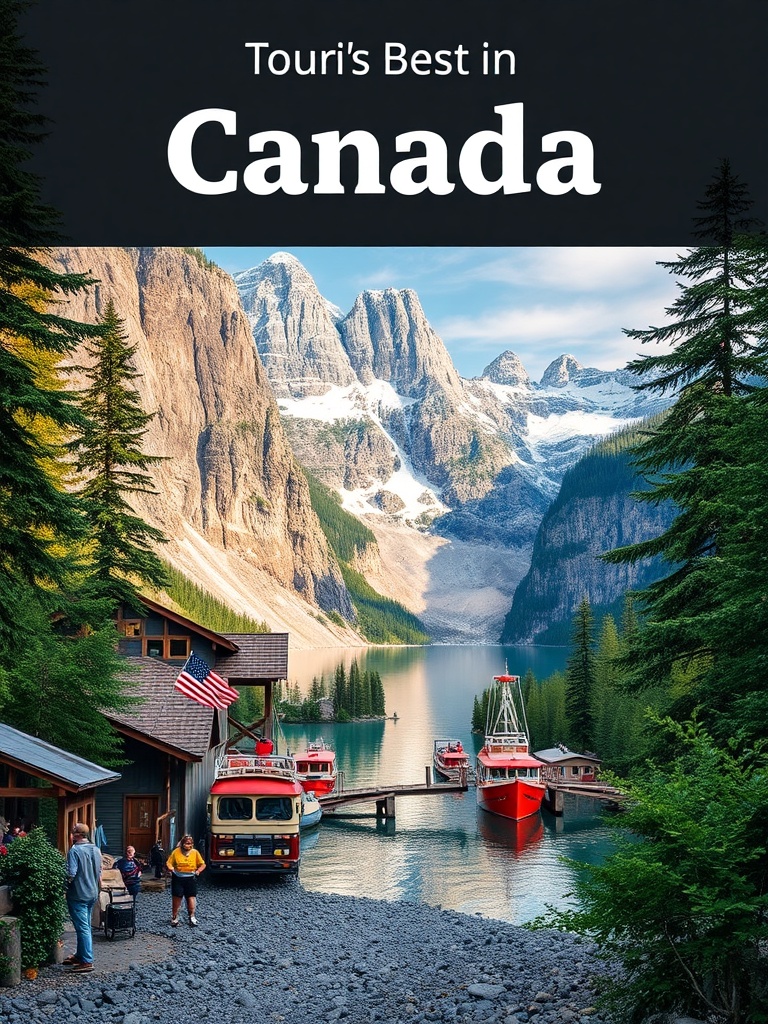
Island routes and ferry trips reveal secluded beaches and dramatic cliffs.
– Prairie and interior provinces: Wide-open skies, cultural festivals, and agricultural tourism showcase a different Canada—think farmers’ markets, craft breweries, and expansive cycling routes.
– Northern lights and northern communities: The aurora borealis can be spectacular from subarctic latitudes.
Small communities provide guided viewing packages and cultural tours that deepen understanding of northern life.
– Urban centers: Cities like Vancouver, Toronto, and Québec offer museums, dining districts, and walkable neighborhoods. Public transit, bike-sharing systems, and pedestrian-friendly waterfronts make urban exploration easy.
Sustainable and responsible travel
Sustainable tourism is a growing focus. Choose eco-certified accommodations, book tours with operators who follow wildlife and environmental best practices, and support Indigenous-owned businesses to ensure travel benefits local communities. Follow Leave No Trace principles on trails, keep a respectful distance from wildlife, and avoid feeding animals.
Practical tips
– Plan seasonally: Weather can vary dramatically by region. Pack layers and waterproof gear, and be prepared for rapid temperature shifts in mountain or coastal zones.
– Book core experiences early: Popular parks, guided wildlife tours, and specialty train routes can fill up quickly—reserve spots in advance when possible.
– Choose slower routes: Trains, ferries, and scenic drives let you soak in landscapes and reduce reliance on short domestic flights.
– Respect cultural protocols: Many Indigenous communities welcome visitors but have specific cultural practices and restrictions.
Ask before photographing people, artifacts, or sacred sites.
– Check official sources: Entry requirements, park permits, and local health advisories can change—verify details through official government or park websites before travel.
Top travel mindset
Approach Canada with curiosity and flexibility. Embrace unexpected detours—small towns often hold memorable meals, local festivals, and encounters with warm hospitality. Favor experiences that connect you to place and people: a guided paddling trip, a seasonal food tour, or a storytelling night led by community members can be among the trip’s most memorable moments.
Whether seeking dramatic scenery, wildlife encounters, cultural immersion, or urban culture, Canada offers layered travel experiences that suit many tastes.
Thoughtful planning and responsible choices help preserve those places for future visitors while making the journey more rewarding today.