Canada still ranks as a top pick for travelers seeking wide-open spaces, diverse culture, and memorable outdoor adventures. From cosmopolitan cities to remote Arctic tundra, the country offers experiences for every kind of visitor — whether you’re chasing the Northern Lights, sampling local cuisine, or driving iconic scenic routes.
Why visit now
Travelers are drawn by unmistakable contrasts: dramatic mountains and glacier-fed lakes, ancient Indigenous cultures, and vibrant urban neighborhoods.
Improved sustainable tourism options and growing Indigenous-led experiences make it easier to travel responsibly and learn deeply about place and people.
Must-do experiences
– See the Northern Lights: Prime viewing happens in the country’s far north and northern provinces. Guided tours can increase your chances and help with photography tips.
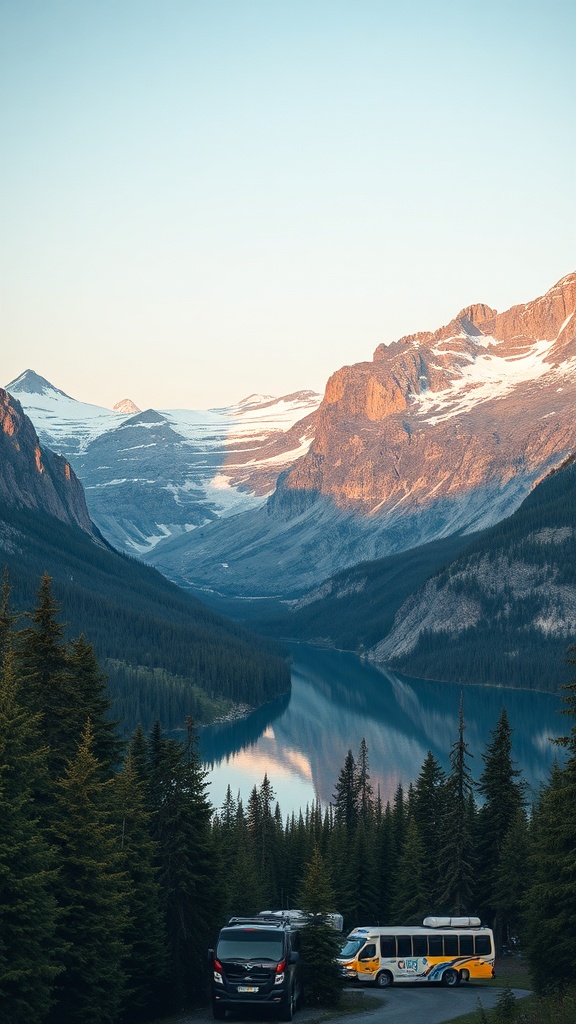
– Explore national parks: A network of national and provincial parks offers hiking, wildlife viewing, canoeing, and camping.
Popular corridors like the mountain parks and coastal trails reward those willing to venture off the beaten path.
– Drive the classic routes: Road trips — including coastal drives, transcontinental highways, and scenic byways — remain one of the best ways to absorb changing landscapes and local cultures.
– City culture and food: Toronto, Vancouver, Montreal, and Quebec City each serve world-class dining, festivals, galleries, and diverse neighborhoods. Regional food scenes — seafood on the Atlantic coast, farm-to-table in interior valleys, world-class wine regions — add culinary reasons to linger.
– Indigenous tourism: Opportunities to participate in cultural tours, storytelling, craft workshops, and traditional meals offer meaningful, respectful ways to connect with Indigenous histories and living cultures.
Practical tips for a better trip
– Plan for weather variety: Even short journeys can involve big temperature swings. Layering and waterproof outerwear are essentials.
– Book ahead for peak seasons and park entries: Popular parks and rail journeys can fill up quickly, and some areas require timed entries or reservations.
– Respect wildlife and landscapes: Keep a safe distance from animals, store food properly, and use established trails. In bear country, carrying bear spray and knowing how to use it is recommended.
– Check official travel requirements: Entry rules and travel advisories change, so verify documents, permits, and health guidance before departure.
– Mind travel time and distances: Large distances between towns mean fuel stops, food, and phone coverage can be sparse in remote regions. Carry extra water, snacks, and a physical map or downloaded navigation.
Sustainable travel practices
Choose operators that support conservation and local communities, reduce single-use plastics, and offset your travel impact when possible. Supporting Indigenous-owned businesses and local guides keeps tourism benefits inside communities and deepens the quality of your experience.
Top considerations for unique seasons
Seasonal highlights vary by region: fall brings dramatic foliage and harvest festivals, winter rewards snow sport enthusiasts and aurora chasers, spring reveals migratory birdlife and waterfalls at peak flow, and summer offers long daylight hours and festival calendars. Each season presents different gear needs and booking patterns.
Final suggestions
Whether your trip focuses on wilderness, culture, cuisine, or city life, prioritize respectful engagement and preparation. With thoughtful planning — and an openness to local experiences — travel to Canada can be transformative, offering both peaceful solitude and lively cultural exchange. Pack layers, respect local guidance, and prepare to be surprised by how much variety one country can hold.