Canada remains a top destination for travelers seeking vast landscapes, vibrant cities, and authentic cultural experiences.
From dramatic mountain ranges and turquoise lakes to coastal drives and rich Indigenous heritage, the country offers diversity that appeals to adventure seekers, food lovers, and mindful travelers alike.
Must-see regions and experiences
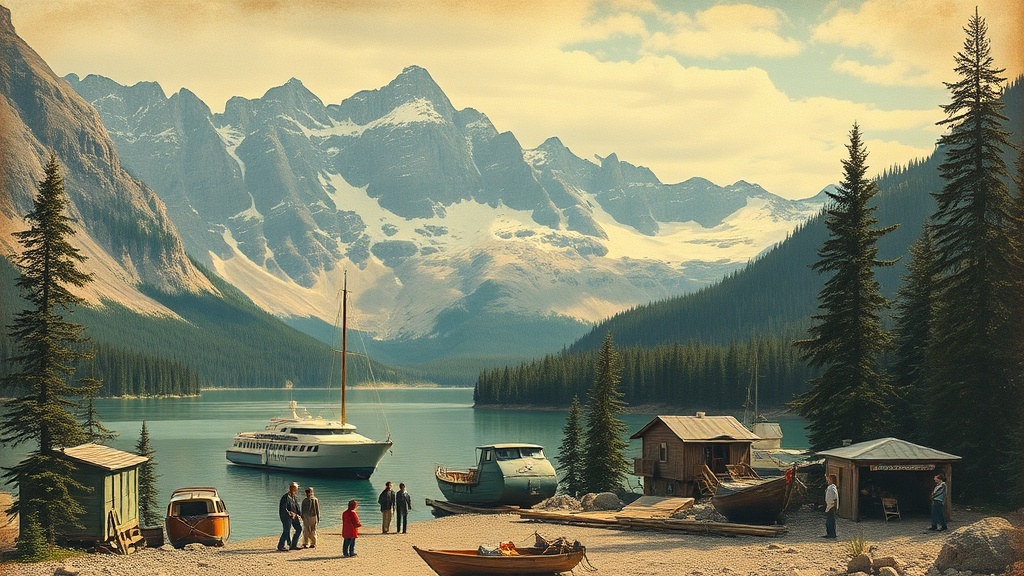
– The Rocky Mountains: Iconic parks offer hiking, glacier viewpoints, and world-class skiing. Scenic drives and mountain towns provide easy access to nature with comfortable amenities.
– Coastal provinces: Rugged shorelines, seafood cuisine, and maritime culture define the Atlantic provinces.
Scenic routes like coastal drives and lighthouse visits reward road-trippers.
– Big cities: Toronto, Vancouver, and Montreal are hubs for arts, culinary scenes, and multicultural neighborhoods. Urban parks, waterfronts, and festival calendars keep city itineraries dynamic.
– Northern adventures: Remote landscapes deliver some of the best opportunities to view the Northern Lights, experience tundra ecosystems, and encounter unique wildlife.
– National and provincial parks: Parks across the country protect ecosystems and offer trails, camping, and interpretive programs—ideal for outdoors-focused travel.
Growing trends shaping travel choices
– Indigenous-led tourism is drawing more visitors interested in meaningful cultural exchange, storytelling, and guided experiences led by local communities. Ethical engagement and respectful participation enhance these visits.
– Sustainable and experiential travel come to the forefront, with more travelers choosing low-impact activities, eco-certified lodges, and operators who prioritize conservation.
– Slow travel and rail journeys are appealing to those who prefer scenic routes and fewer connections, allowing more time to connect with landscapes and communities.
Practical tips for planning
– Entry and documentation: Make sure passports and any required travel authorizations or visas are in order before departure. Entry requirements vary by citizenship and point of arrival.
– Seasonal planning: Summer brings long daylight and peak access to trails and festivals; fall delivers spectacular foliage and fewer crowds; winter is ideal for skiing and northern photography; shoulder seasons can mean quieter experiences and lower prices.
– Transportation: Domestic flights connect major centers, while regional buses, ferries, and rail services provide scenic alternatives. Car rental offers flexibility for rural and coastal itineraries.
– Wildlife safety: Observe animals from a safe distance, use designated viewing areas, and follow park guidelines to protect both visitors and wildlife. Never feed wild animals.
– Respectful cultural engagement: When participating in Indigenous-led experiences, follow local guidance, ask permission before taking photos of people or cultural artifacts, and purchase goods directly from community artists.
Sustainable travel practices
– Choose operators with conservation commitments, stay in eco-conscious accommodations, and support local businesses and guides.
– Reduce waste by carrying a reusable water bottle and bag, and avoid single-use plastics.
– Offset travel emissions where practical and consider longer stays in fewer places to lower your overall footprint.
Why now is a great time to visit
With a wide range of landscapes and experiences accessible across seasons, Canada offers both iconic highlights and off-the-beaten-path discoveries. Whether you’re seeking wilderness solitude, cultural connection, or urban sophistication, thoughtful planning and responsible practices will help create a memorable trip that benefits travelers and communities alike.