Canada remains one of the world’s most magnetic destinations for travelers seeking vast wilderness, vibrant cities, and authentic cultural encounters.
From dramatic mountain ranges and glacier-fed lakes to rugged coastlines and Arctic skies, the country offers diverse experiences for every travel style. Here’s a practical guide to getting the most from a trip to Canada, with an emphasis on responsible travel and unforgettable moments.
Why choose Canada
– Immersive natural beauty: National and provincial parks showcase sweeping landscapes that are easy to access and well-marked for hikers, photographers, and wildlife watchers.
– Seasonal variety: Each season delivers distinct attractions—wildflower blooms and lush trails for warm months, explosive fall foliage, reliable winter sports, and long daylight hours for exploration when temperatures are mild.
– Cultural richness: Urban centers blend contemporary art, cuisine, and innovation with deep Indigenous histories and living traditions that are increasingly available through guided programs and cultural centers.
Top experiences not to miss
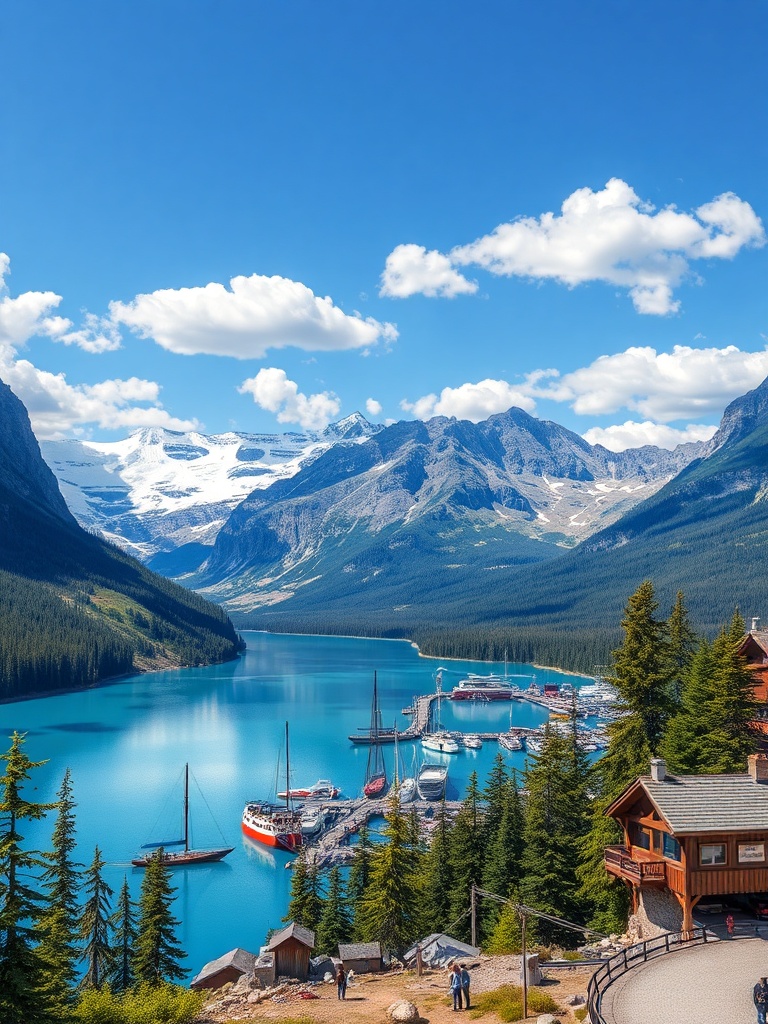
– Mountain panoramas: Drive or take a scenic rail route through the mountain corridors to experience glacier-carved valleys, turquoise lakes, and alpine meadows. Look for viewpoints, short interpretive hikes, and guided glacier walks.
– Coastal adventures: Whale watching, seabird colonies, and tidal exploration define visits to the Pacific and Atlantic coasts. Island-hopping and small-boat tours bring you closer to marine life and seaside communities.
– Northern lights and Arctic travel: Far northern territories offer prime aurora viewing and dramatic tundra landscapes.
Expect remote lodges, small-group tours, and a focus on respectful engagement with fragile ecosystems.
– Cities with character: Major urban hubs present culinary scenes that reflect global and local flavors, world-class museums, festivals, and walkable neighborhoods ideal for food and architecture tours.
– Indigenous-led experiences: Increasingly available Indigenous cultural tours, art centers, and community-run lodges provide authentic learning opportunities while supporting local stewardship of land and culture.
Planning and transport tips
– Getting around: A network of domestic flights connects distant regions, while long-distance rail and scenic highways offer leisurely, scenic alternatives. Ferries are essential on several coastal routes. Renting a car is often the best way to access remote parks and small communities.
– Accommodation choices: Options range from luxury lodges and boutique city hotels to eco-lodges, cabin stays, and well-equipped campgrounds. Booking popular parks and iconic accommodations in advance is wise during peak travel periods.
– Park access and fees: Many parks manage access through reservation systems and day-use passes. Check official park channels for permit requirements, trail conditions, and wildlife advisories.
Responsible travel practices
– Respect wildlife: Maintain safe distances, follow park guidelines, and store food securely to protect animals and visitors.
– Support local economies: Choose Indigenous-owned tours, local guides, and small businesses when possible.
– Minimize footprint: Stick to trails, use refillable containers, and opt for accommodations and operators with environmental credentials.
Practical safety and packing
– Weather-ready gear: Layering, waterproof outerwear, and sturdy footwear are essential in varied climates.
Even short hikes deserve basic safety gear and a map or GPS.
– Seasonal risks: Be prepared for wildlife encounters, swift weather changes in mountains, and strong coastal currents.
Local visitor centers are great sources of up-to-date safety advice.
Canada’s combination of vast natural spaces, accessible adventure, and meaningful cultural experiences makes it an enduring draw for travelers.
With thoughtful planning and respect for local communities and ecosystems, a visit can be both impactful and rejuvenating.