Canada’s cultural landscape is a dynamic blend of Indigenous traditions, immigrant creativity, and a deep connection to the natural world. That combination produces a distinctive national vibe: resilient, diverse, and always evolving. For visitors and residents alike, Canadian culture offers a mix of grassroots creativity, culinary fusion, and public rituals that reveal shared values and local particularities.
Indigenous resurgence at the center
Indigenous cultures are foundational to Canada’s identity. Across the country, Indigenous artists, musicians, writers, and community leaders are reclaiming and revitalizing languages, ceremonial practices, and creative forms that had been suppressed.
Indigenous visual art and performance are visible in galleries, powwows, and urban cultural centers, while Indigenous-led tourism experiences invite respectful engagement with traditional knowledge.
The growing visibility of Indigenous voices reshapes national conversations about history, land stewardship, and cultural continuity.
Multicultural mosaic and bilingualism
Multiculturalism is more than policy; it’s a lived reality. Cities teem with neighborhoods shaped by generations of newcomers, where markets, festivals, and restaurants showcase culinary and cultural traditions from around the world. Bilingualism adds another layer: English and French coexist in many public spaces, while increasing interest in heritage languages and second-language learning enriches community life. The result is a cultural mosaic where mainstream and minority traditions interact, hybridize, and innovate.
Food as cultural expression
Canadian cuisine reflects the country’s geography and diversity. Comfort classics like poutine sit alongside regional specialties such as Atlantic seafood, prairie bison, and Pacific salmon. Indigenous foods and techniques—bannock, smoked fish, wild rice, maple and spruce-based preparations—are being reintroduced into contemporary menus, often with creative fine-dining interpretations. Urban food scenes spotlight fusion, sustainability, and local sourcing, making gastronomy an entry point for cultural exploration.
Arts, film, and music with global reach
Canadian artists and creatives regularly punch above their weight on the world stage.
Independent film, television, and music industries contribute to global cultural conversation, supported by festivals that draw international attention.
Literary voices, visual artists, and performing companies reflect regional distinctiveness while addressing universal themes. Digital platforms amplify local talent, and collaborative projects between Indigenous and non-Indigenous creators increasingly shape cultural production.
Outdoor life and seasonal rituals
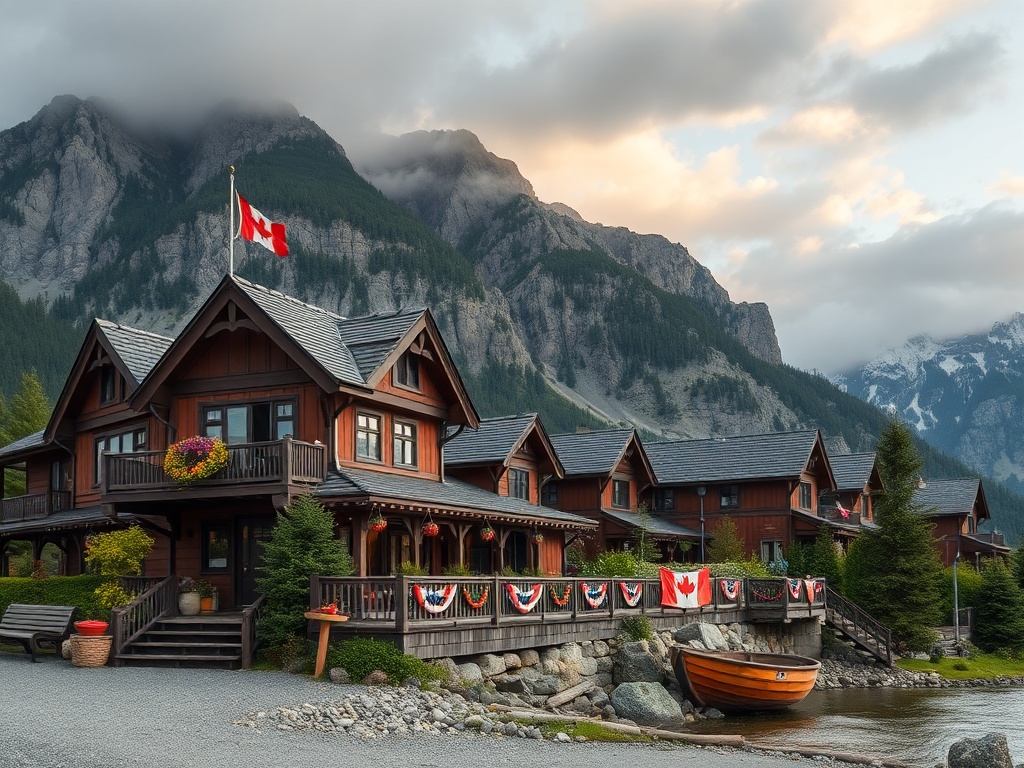
The country’s varied climate and sprawling landscapes shape cultural rhythms. Outdoor traditions—canoeing, snow sports, camping, fishing—are central to many communities and inform seasonal celebrations. Urban parks and protected wilderness areas foster a culture of outdoor recreation that intersects with environmental stewardship and Indigenous land-based practices.
Sport, community, and shared rituals
Sport functions as a social glue. Hockey remains iconic, offering a shared language across generations and communities, but other sports and recreational pursuits—soccer, lacrosse, curling, and winter adventure sports—have passionate followings too.
Community-level leagues and public rinks create everyday rituals that connect neighborhoods and sustain local pride.
Festivals and local pride
From street festivals to large cultural gatherings, public events animate civic life.
Film and music festivals, cultural heritage days, and Indigenous powwows create opportunities for exchange and celebration. These events boost local economies, spotlight artists, and foster cross-cultural understanding.
Why it matters
Understanding contemporary Canadian culture means appreciating the interplay between centuries-old Indigenous knowledge, the creativity of immigrant communities, and a commitment to shared public spaces and civic values. Cultural life remains a key arena for dialogue about identity, justice, and belonging, and it offers abundant ways for people to connect—through food, art, sport, language, and time spent in nature.
Explore locally: visit a market, attend a community festival, try a dish rooted in Indigenous ingredients, or take a walk in a nearby park. Cultural discovery often begins with a small, curious step.