Canada offers a vast, varied playground for travelers who want mountains, coastlines, cosmopolitan cities, and authentic cultural experiences. Whether you’re planning a multi-province road trip or a focused getaway, the country’s scale and diversity reward slow travel and thoughtful planning.
Why visit Canada now
Canada’s landscape diversity is unmatched: temperate rainforests on the Pacific coast, rugged mountains in the west, prairie skies, the freshwater Great Lakes, and dramatic Arctic tundra.
Urban centres combine world-class dining, museums, and festivals with easy access to nature.
There’s also growing emphasis on Indigenous-led tourism, giving visitors meaningful opportunities to learn from First Nations, Inuit, and Métis communities through guided tours, cultural centres, and arts programming.
Top experiences to prioritize
– National parks and protected areas: Parks across the country offer hiking, canoeing, wildlife viewing, and scenic drives.
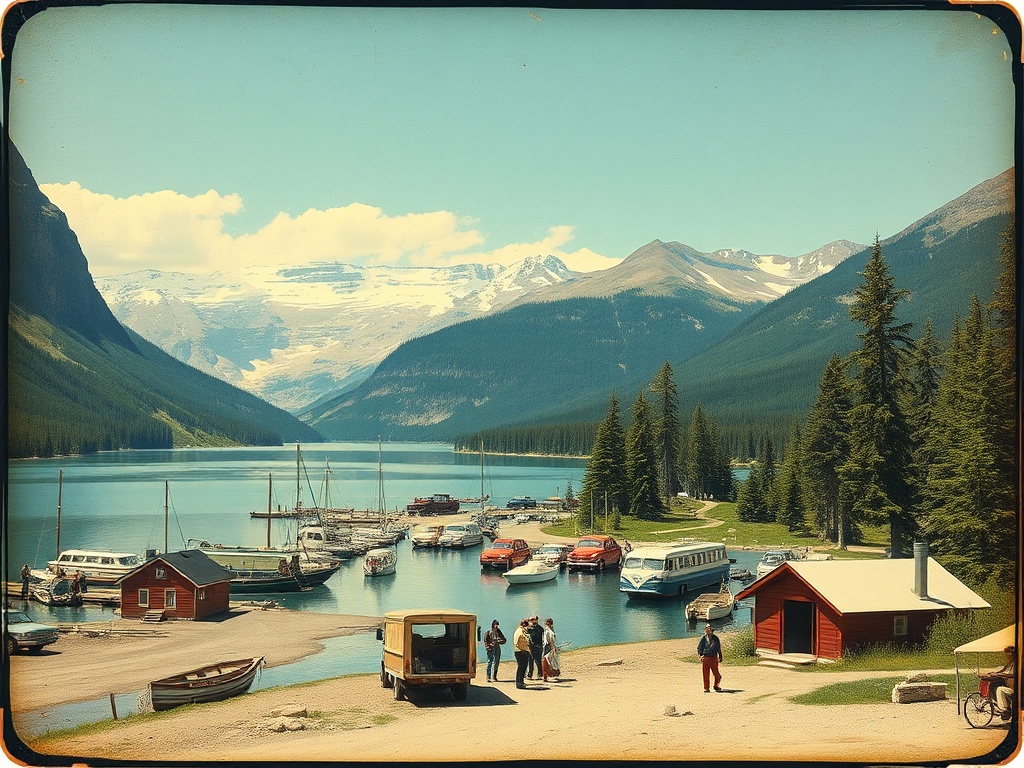
Popular activities include glacier viewpoints, turquoise alpine lakes, and long-distance trails.
Many parks use reservation systems for camping and day-use during busy seasons, so book early.
– Northern lights and Arctic adventures: Head north for aurora viewing, ice-road driving, dog-sledding, and encounters with unique wildlife.
Local outfitters and cultural hosts help make these trips respectful, safe, and informative.
– Coastal and maritime culture: The Atlantic provinces and West Coast each present distinctive coastal ecology, seafood scenes, and small‑town hospitality. Whale watching, sea kayaking, and lighthouse routes are highlights.
– City culture and culinary scenes: Cities blend contemporary art, music, and food — from multicultural culinary districts to farm-to-table dining. Urban parks, waterfronts, and bike networks make exploring on foot or by bike easy.
– Indigenous tourism: Look for Indigenous-owned accommodations, guided cultural experiences, and artisan markets. These encounters offer deeper context about land stewardship, traditions, and contemporary Indigenous creativity.
Practical travel tips
– Pack for layers: Weather can change quickly across regions and elevations.
Breathable base layers, a warm mid-layer, and a reliable rain shell cover most conditions.
– Book park permits and accommodations ahead: High-demand areas are best reserved early through official park websites or local operators.
– Respect wildlife: Keep distance, never feed wild animals, and follow park guidelines for food storage and campsite behavior.
– Choose sustainable options: Use public transit where convenient, pick certified eco-friendly tours, and minimize single-use plastics. Supporting local guides, lodges, and artisans keeps tourism benefits in the community.
– Be aware of seasonal considerations: Mosquitoes in warm months, winter road conditions in northern and mountain regions, and fluctuating ferry schedules in coastal areas can affect plans.
Getting around
Canada’s infrastructure supports a mix of travel styles. Intercity flights cover long distances quickly, while scenic rail routes and highways make for memorable road trips. Ferries connect many coastal communities. For more remote destinations, local operators or charter services may be required.
Cultural etiquette and safety
Politeness and respect go a long way. Learn a few phrases of French if visiting francophone regions, and follow any requested protocols when visiting cultural sites. Always check trail conditions and park advisories before setting out, and consider travel insurance for remote activities.
Sustainable travel is central to the future of tourism in Canada. Travelers who plan responsibly, support local communities, and prioritize low-impact experiences will find richer, more authentic connections with the country’s landscapes and people.