Canada’s lifestyle blends wide-open nature, multicultural cities, and a strong focus on balance and community. Whether you live near a bustling downtown or a remote lake, daily life tends to revolve around seasons, food, outdoor activity, and local connections.
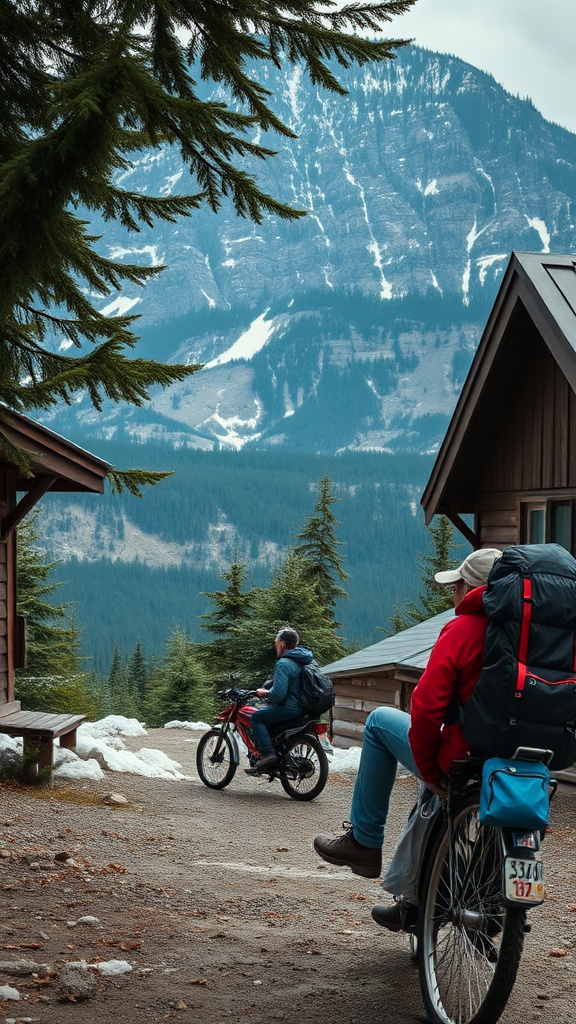
Seasons shape routines
Seasonality is central to how people plan their lives.
Winters invite cozy rituals—layering clothing, winter sports, and community markets—while warmer months are prime for patios, hiking, and long daylight evenings.
Adapting to seasonal shifts influences everything from wardrobe and home prep to social calendars and fitness choices.
Outdoor culture and active living
The easy access to parks, trails, lakes, and mountains makes outdoor activity a big part of the Canadian lifestyle. Popular choices include:
– Hiking and trail running in provincial and national parks
– Canoeing, kayaking, and paddleboarding on lakes and rivers
– Snow sports such as skiing, snowboarding, and snowshoeing
– Cycling and urban pathways for commuting and leisure
Spending time outdoors supports physical health and mental well-being; many communities prioritize green space and active-transport infrastructure.
Food, multiculturalism, and local sourcing
Canada’s culinary scene reflects diverse cultural influences. Urban neighbourhoods offer a range of international cuisines alongside contemporary takes on comfort food. Farmers’ markets and local producers are common, and many households focus on seasonal, locally sourced ingredients. Indigenous foods and culinary techniques are increasingly recognized and celebrated—approach these traditions with respect and interest in proper context and permissions.
Work-life balance and remote flexibility
Work culture varies by industry and region, but there’s a notable emphasis on achieving balance.
Remote and hybrid work options are widespread in many sectors, offering flexibility for commuting, child care, or rural living.
Employers and employees often prioritize flexible hours, mental-health supports, and time outdoors as part of a healthy work routine.
City living vs. small-town pace
Urban centres are known for cultural institutions, diverse dining scenes, and transit networks. Smaller towns and rural communities offer tighter social networks, lower population density, and closer access to nature. Choosing between the two depends on priorities like career opportunities, housing affordability, and lifestyle preferences.
Community, festivals, and local culture
Community engagement is strong: fairs, cultural festivals, outdoor concerts, and neighbourhood groups help people connect. Volunteering and local initiatives—especially around environmental stewardship, arts, and food security—are common ways to get involved and meet neighbours.
Healthcare and public services
Public healthcare systems cover core hospital and physician services, while provinces and territories manage specifics.
Many residents complement public coverage with employer or private plans for prescription drugs, dental, or vision care. Public transit, libraries, and recreational facilities play important roles in everyday life, especially in denser communities.
Practical tips for newcomers or those relocating
– Embrace layers: adaptable clothing works better than seasonal extremes in unpredictable weather.
– Explore local produce and markets to connect with community and support small businesses.
– Use community centres, libraries, and meetup groups to build social networks fast.
– Consider transit options and commute times when choosing neighbourhoods.
– Learn about local customs and Indigenous territories—acknowledging traditional lands is a respectful practice.
The Canadian lifestyle is flexible by design: it supports both active outdoor living and urban convenience, celebrates cultural variety, and prioritizes community connection. Small choices—like joining a local hiking group or shopping at a farmers’ market—can quickly open doors to richer local experiences and a more balanced daily rhythm.