Montreal blends European charm with North American energy, creating a city that keeps drawing visitors and new residents. Whether you’re exploring cobblestone streets, sampling the food scene, or relying on efficient transit, Montreal rewards curiosity and supports active urban living.
Why Montreal feels so alive
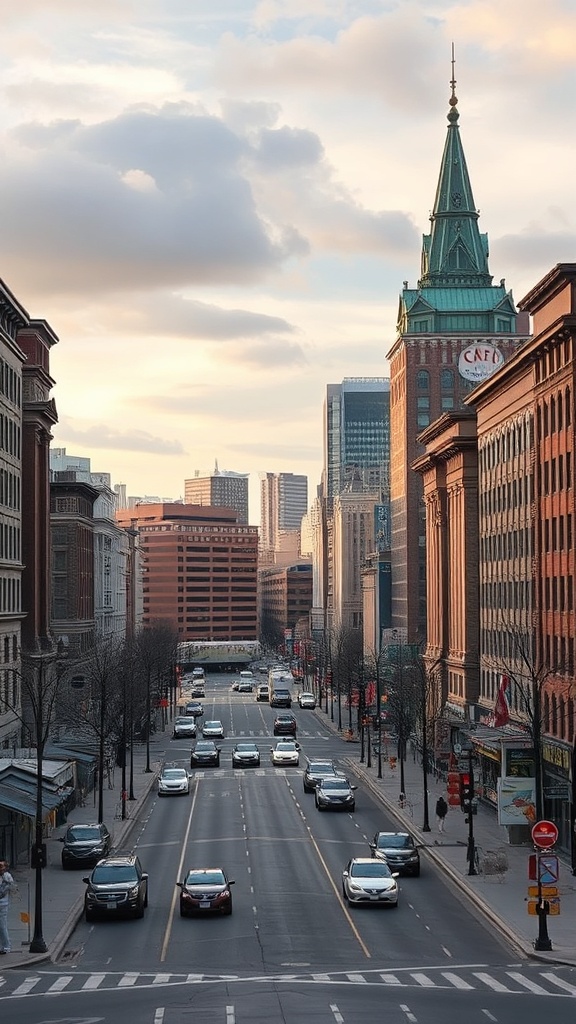
A compact urban core makes walking and biking practical for daily life. Distinct neighborhoods each offer their own vibe: historic architecture and galleries in Old Montreal, indie boutiques and cafes in the Plateau, and riverside paths and parks along the Lachine Canal. Festivals and cultural programming animate public spaces year-round, keeping galleries, theaters, and music venues busy. Bilingualism is more than a language mix; it fuels a multicultural creative economy that’s visible in culinary innovation, design, and public art.
Food and drink worth planning around
Montreal’s culinary scene is both iconic and experimental. Classic local staples—hand-rolled bagels, smoked meat sandwiches, and poutine—are available in must-visit institutions and at elevated, chef-driven restaurants. A thriving café culture supports specialty coffee roasters and neighborhood bistros, while food markets like Jean-Talon and Atwater showcase seasonal produce and artisanal products. Expect new tasting rooms, pop-ups, and multicultural eateries that blend global flavors with Québec ingredients.
Outdoor life and green space
Green space is central to daily life. Mount Royal offers quick urban hikes and scenic lookouts that frame the downtown skyline. Waterfront bike paths, community gardens, and large parks provide space for running, picnicking, and winter sports.
The Lachine Canal is a favorite for paddling and cycling, and many neighborhoods feature tree-lined streets and local parks that increase walkability and community ties.
Getting around: practical and sustainable
Public transit covers major corridors with an extensive metro network and bus system that serve commuters and visitors. Bike-share programs and expanding cycling lanes make short trips easy and reduce car dependence. Light-rail projects and transit upgrades continue to reshape commuting patterns, improving access to suburbs and business hubs. For many, combining transit with walking or biking is the most efficient way to navigate the city.
Culture and creative industries
Museums, independent galleries, and theaters are active all year. Street art and creative placemaking projects transform neighborhoods into open-air exhibitions. The city’s universities and colleges feed a steady pipeline of talent into design, film, music, and technology sectors, supporting a vibrant startup and cultural ecosystem that prizes collaboration and experimentation.
Tips for visitors and new residents
– Explore neighborhoods on foot to absorb local character and discover hidden cafés and boutiques.
– Sample both iconic eats and neighborhood favorites—ask locals for recommendations.
– Use public transit and bike-share for efficient, eco-friendly travel.
– Check neighborhood event listings for pop-ups, markets, and live performances that showcase local makers and artists.
What keeps Montreal magnetic is the balance of scale and variety: a city that feels manageable yet endlessly interesting. Whether you’re drawn by food, art, outdoor life, or simply the rhythm of neighborhood streets, Montreal offers layers to explore and plenty of reasons to return.