Canada offers a staggering range of travel experiences, from rugged Arctic tundra to cosmopolitan cities and coastal fishing villages. Whether you’re chasing the Northern Lights, planning a scenic road trip through the Rockies, or exploring Indigenous culture and cuisine, thoughtful planning makes the difference between a good trip and an unforgettable one.
Where to go
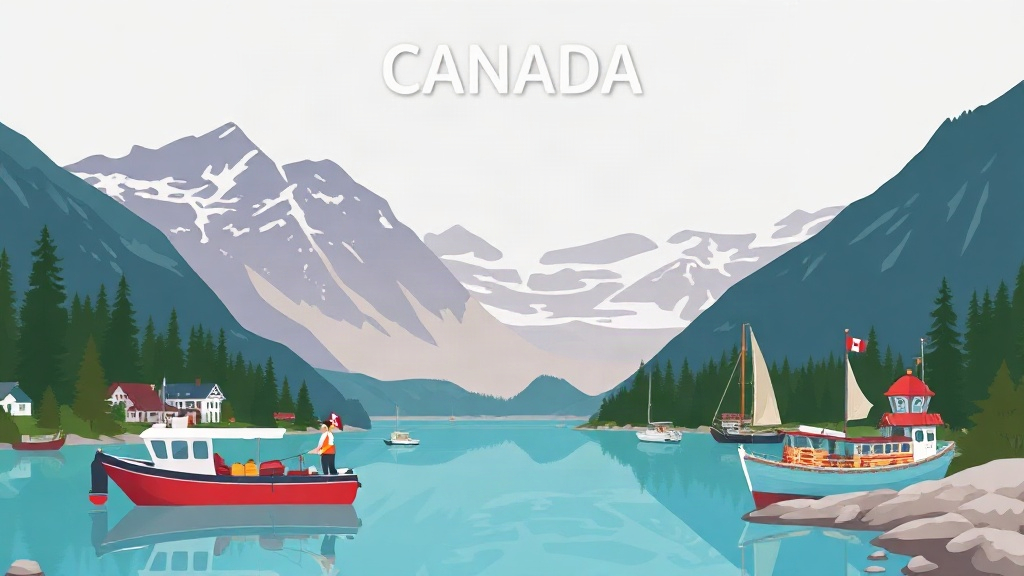
– Western mountains: The Canadian Rockies deliver dramatic peaks, turquoise lakes, and world-class hiking. Banff and Jasper are iconic gateways, while lesser-known valleys reward visitors with quieter trails and wildlife viewing.
– Coastal escapes: The Pacific coast around Vancouver and Vancouver Island blends urban amenities with rainforest hikes, whale watching, and vibrant culinary scenes. On the Atlantic side, the Maritime provinces offer coastal drives, seafood, and historic lighthouses.
– Northern lights and Arctic wilderness: Head north to wide-open skies and minimal light pollution for aurora viewing.
Small lodges, guided tours, and overnight wilderness experiences let travelers combine comfort with spectacular sky shows.
– Cities and culture: Toronto, Montreal, and Quebec City showcase diverse food, arts, and festivals. Smaller cities and towns often deliver authentic local flavor—farm markets, craft breweries, and artisan shops.
– Indigenous tourism: Many communities offer guided cultural tours, storytelling, and craft workshops. Choosing certified experiences supports local economies and fosters respectful cultural exchange.
Top experiences to prioritize
– Scenic drives: Iconic routes like coastal and mountain highways reveal changing landscapes at a relaxed pace. Plan fuel stops and accommodations ahead for remote stretches.
– Wildlife viewing: Whale watching, bear spotting, and moose sightings are highlights—keep a respectful distance, use binoculars, and follow local guidelines to protect animals and yourself.
– National parks: Trails, scenic viewpoints, lakes, and backcountry opportunities abound.
Consider park passes for multi-day visits and check official park updates for trail conditions and closures.
– Food and drink: Sample regional specialties—fresh seafood on the coasts, maple products, hearty prairie fare, and thriving urban food scenes.
Farm-to-table and Indigenous culinary experiences are increasingly available.
Practical travel tips
– Pack for layers: Weather can change quickly across regions and elevations. Bring breathable layers, waterproof outerwear, and sturdy footwear.
– Book ahead for peak corridors: Popular parks and city neighborhoods can fill quickly. Reserve accommodations, guided tours, and ferry crossings in advance when possible.
– Respect wildlife and local rules: Use certified guides when needed, secure food and trash in wildlife-proof containers, and keep safe distances.
Carry bear spray where advised and know how to use it.
– Choose sustainable options: Favor public transit, rail, and car-sharing where feasible. Pick eco-certified lodges, support small local businesses, and reduce single-use plastics.
– Safety and insurance: Carry travel insurance that covers outdoor activities you plan to do. Check official park advisories and weather forecasts before heading into remote terrain.
Responsible travel and cultural respect
Engaging with Indigenous communities with sensitivity and permission enhances the trip while respecting cultural integrity. Purchase art directly from local makers, follow photographer etiquette, and choose tours that are community-led or provide clear benefits to host communities.
Final planning reminders
Make a flexible itinerary that allows for weather, wildlife encounters, and spontaneous discovery. Use official sources for park alerts and transportation schedules, and give yourself time to slow down—Canada rewards those who travel with patience and curiosity.