Canada blends vast wilderness, vibrant cities, and rich cultural experiences, making it a top choice for travelers seeking diversity in one destination. From dramatic mountain ranges and glacier-fed lakes to historic urban neighborhoods and Indigenous cultural tours, Canada offers something for every travel style.
Highlights to add to any itinerary
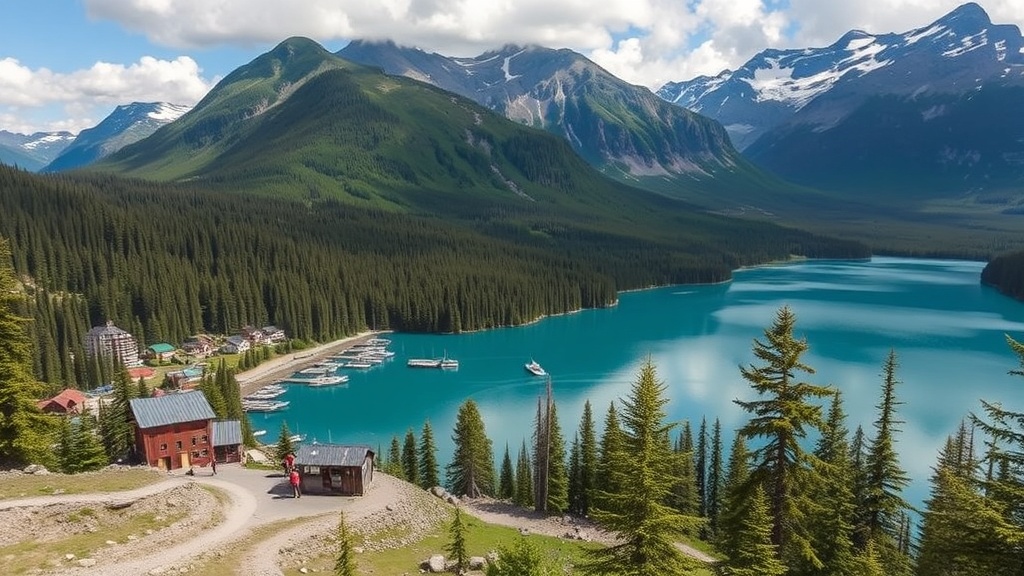
– The Canadian Rockies: Scenic drives, world-class hiking, and turquoise lakes define this region. Popular routes connect mountain towns where outdoor activities and cozy lodges create an ideal nature escape.
– Coastal British Columbia: Rainforests, whale-watching, and surfable beaches sit within reach of a major Pacific city. Island-hopping and marine wildlife tours offer memorable encounters.
– Eastern gems: Historic coastal towns, scenic drives, and seafood-rich cuisine characterize the Atlantic provinces. Charming seaside villages and dramatic cliffsine landscapes are perfect for slower, photo-friendly travel.
– Urban culture: Major cities blend modern skylines with vibrant arts scenes, diverse dining, and distinctive neighborhoods. Expect museums, live music, and seasonal festivals.
– Northern lights and polar adventures: Far-northern regions provide some of the best aurora viewing and unique wildlife opportunities, including polar bear and caribou ecosystems for responsible wildlife viewing.
Sustainable and Indigenous-led travel
Today’s travelers increasingly seek authentic, low-impact experiences. Indigenous-led tours provide meaningful cultural exchange while supporting local communities. Look for operators who prioritize cultural protocols and share history with respect. Likewise, choose eco-certified lodges, book smaller-group wildlife tours, and follow Leave No Trace principles when exploring parks.
Practical travel tips
– Plan for scale: Distances between attractions can be large. Allow travel time, especially when moving between provinces or heading into remote areas.
– Layered clothing is essential: Weather varies widely by region and altitude. Pack layers, waterproof outerwear, and sturdy footwear for outdoor activities.
– Wildlife safety: Keep a safe distance from wildlife, follow park guidelines, and store food properly. Use experienced guides for activities like bear-watching or glacier trekking.
– Language and tipping: English is widely spoken, with French predominant in certain provinces and regions. Tipping is customary in service industries; check local norms before you go.
– Entry and logistics: Verify entry requirements, medical insurance, and any permits for backcountry travel. National and provincial parks often require reservations for popular trails and campgrounds—book ahead for peak seasons.
Best times to visit
Each season offers its own attractions.
Warm months highlight hiking, paddling, and festivals. Cooler months draw winter sports enthusiasts and those chasing snow-covered landscapes and auroras.
Shoulder seasons often mean fewer crowds and attractive travel deals, making them a smart choice for flexible itineraries.
Experiences that stand out
Food-focused travel is thriving, from farm-to-table dining to vibrant multicultural food scenes in urban centers. Road trips remain a classic way to see the country, with iconic routes offering spectacular vistas and charming small-town stops. For immersive nature experiences, choose guided canoe trips, glacier walks, or overnight backcountry treks led by certified outfitters.
Final planning notes
Balance city time with nature, prioritize responsible operators, and allow flexibility for weather and road conditions. With careful planning and a respect for local cultures and environments, a trip to Canada can be both unforgettable and regenerative—for visitors and the places they visit.