Toronto’s waterfront is shifting from a working shoreline into one of the city’s most ambitious public realms — a place where climate resilience, accessible parks, and new neighborhoods converge.
What used to be dominated by industrial tracts is now a dynamic mix of restored wetlands, pedestrian promenades, cultural venues, and mixed-use development, offering both leisure and long-term urban benefits.
Climate resilience is a central theme. Large-scale flood protection and naturalization efforts aim to reduce flood risk while creating valuable green space.
Wetland restoration and engineered river channels help manage stormwater and improve biodiversity, turning formerly underused or flood-prone lands into habitat-rich parks that also serve as buffers against extreme weather. These interventions reflect a broader urban trend: designing infrastructure that performs multiple functions — ecological, recreational, and protective.
Public access and active transportation have been prioritized along the shoreline.
New and upgraded promenades, continuous bike paths, and safer crossings connect key nodes — from historic districts and cultural hubs to green piers and beaches. For visitors and locals alike, the waterfront is becoming easier to navigate without a car, supporting walking, cycling, scootering, and transit links that tie into the city’s broader network.
Culture and public life are flourishing.
Waterfront cultural venues, seasonal programming, open-air markets, and performance spaces animate the shoreline year-round. Repurposed industrial buildings and contemporary pavilions host festivals, galleries, and community events that reflect the city’s diversity. The mix of calm parkland and programmed spaces creates a flexible environment where both relaxation and activity coexist.
Development strategies along the waterfront emphasize mixed-use neighbourhoods that balance housing, employment, and amenities.
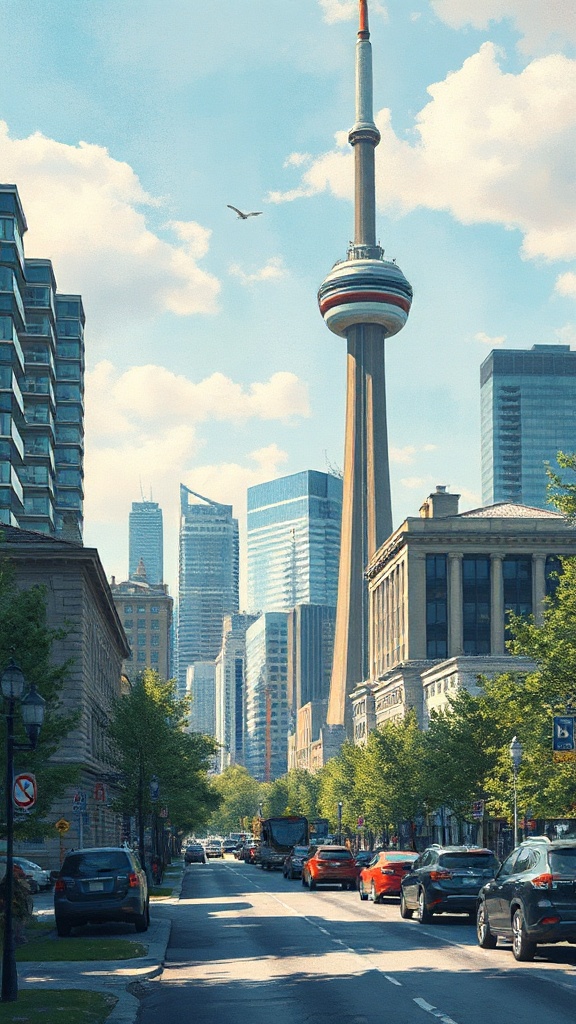
Planners are aiming for denser, walkable communities with ground-floor retail, public squares, and a variety of housing types to accommodate diverse incomes and lifestyles. Thoughtful design guidelines focus on human-scale streets, active frontages, and connections to transit, ensuring new districts integrate with the city rather than functioning as isolated enclaves.
Recreation and nature are major draws. Waterfront parks offer trails, waterfront boardwalks, picnic areas, and opportunities for boating and paddling. Naturalized shorelines and restored meadows provide seasonal interest and birdwatching opportunities. For those seeking a quick urban escape, the combination of green space and skyline views makes the waterfront a reliable option for exercise, family outings, and photography.
Challenges remain, including ensuring affordable housing, protecting public access as private development increases, and sequencing infrastructure projects to minimize disruption. Continued engagement between communities, developers, and the city is essential to preserve public benefits and cultural vibrancy as change accelerates.
How to experience the waterfront now: stroll a continuous stretch of shoreline paths, explore markets and cultural venues, take a ferry to the nearby islands for beaches and trails, and seek out newly opened parks or observation points for skyline views.
For residents and visitors, the waterfront offers a living laboratory in urban transformation — one that balances recreation, resilience, and community life while charting a path for more sustainable, accessible cities.