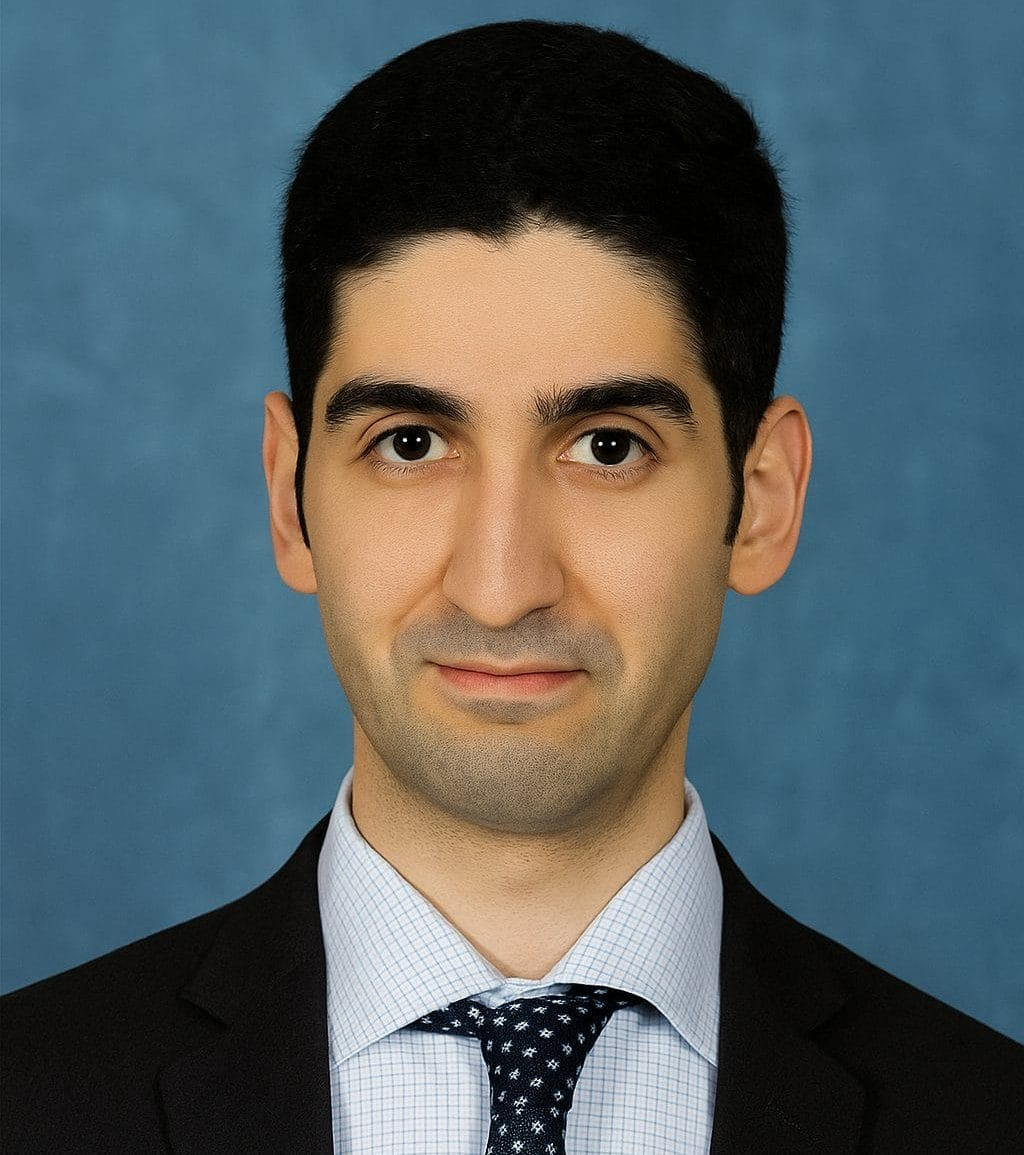
Three companies, three different problems, one investor connecting them. Here is a breakdown of what Yazan al Homsi is actually invested in, why, and what’s changed recently. None of this is a recommendation to buy or sell anything; it’s a plain accounting of where his capital sits and what each company has actually reported, drawn from the companies’ own disclosures rather than secondhand chatter.
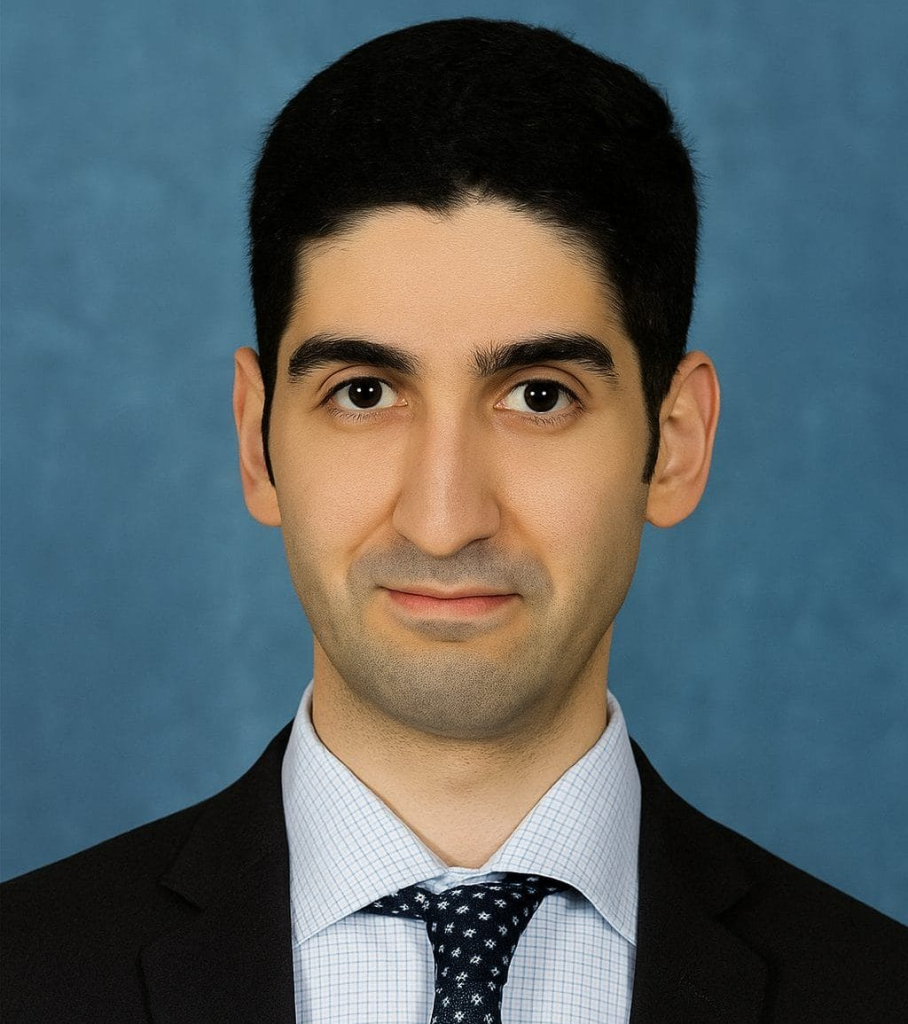
Full disclosure, stated clearly and early: al Homsi holds equity in each of the three companies covered below. That’s not a footnote, it’s the premise of the whole piece, and it’s said here directly rather than left implied.
Aduro Clean Technologies
The problem: only about 10 percent of the world’s plastic actually gets recycled, mostly because mechanical recycling cannot handle mixed or contaminated waste streams. That gap has persisted for decades despite growing public pressure to fix it.
The bet: Aduro’s Hydrochemolytic technology uses water-based chemistry to process that unprocessed majority, converting waste plastics, heavy bitumen and renewable oils into higher-value feedstocks. The company has pegged the addressable market in the hundreds of billions of dollars, a scale that helps explain why a small-cap name gets this much attention relative to its current revenue.
The tailwinds: European Extended Producer Responsibility rules already penalize missed recycling targets, and proposed U.S. measures would add tax credits for advanced recycling. Aduro has also previously disclosed technical engagement with Shell’s GameChanger program and TotalEnergies, the kind of scrutiny that tends to precede commercial deals, plus a June 30 memorandum of understanding with AstroTurf to evaluate synthetic turf recycling as an additional feedstock application. Corporate vetting at that scale doesn’t guarantee a contract, but it’s a meaningful signal compared to a small-cap company simply claiming interest from unnamed partners.
The proof points, so far: an 86 percent liquid hydrocarbon recovery rate from its pilot plant in early June, followed by two capital raises totaling roughly US$22.2 million within two weeks, both priced clean with no warrants and insider participation in one tranche. The money is earmarked for a first-of-a-kind commercial plant at Chemelot in the Netherlands.
Rocket Doctor AI and Charbone
The problem for Rocket Doctor AI: physician shortages in rural and underserved communities, plus a virtual care industry that still mostly runs on out-of-pocket payments. The bet: a marketplace connecting physicians with patients, layered with AI-assisted intake and documentation that cuts down on administrative time, plus payer integrations and pharmacy kiosks that widen access without the fixed costs of physical clinics. It’s the same ESG-adjacent investment approach al Homsi has applied elsewhere: find a documented access gap, then back the company positioned to close it profitably.
The numbers: $1.74 million in fiscal 2025 revenue, gross margins near 87 percent, more than 21 million U.S. in-network members through payer partnerships including Aetna in New York, and a pharmacy kiosk program across roughly 50 locations that has completed more than 16,500 appointments. About 75 percent of prescriptions from those visits get filled at the same pharmacy, which is exactly the kind of incentive that keeps a partner network growing. A municipal contract in Bruderheim, Alberta, adds a third revenue channel on top of consumer and payer business, aimed at towns that need emergency-room diversion more than they need another app.
Then there’s Charbone, formerly Charbone Hydrogen Corporation, which rebranded in June 2026 and broadened its focus from pure green hydrogen to a wider industrial gases business. Portfolio companies evolve, and coverage needs to keep pace with what they actually do now rather than how they were positioned a year ago. Not every position moves at the same pace or in the same direction, even when the underlying investor discipline stays consistent across all three.
The Common Thread
Al Homsi is an investor across all three, not an operator or partner. In each case, the pitch is the same shape: find a market failure that regulation or economics is already pushing toward a fix, then back the company positioned to fix it before everyone else notices. That’s the same framework, built over more than a decade at PricewaterhouseCoopers, that shows up across his public profile and every piece of coverage tied to his name.
The next real test for Aduro is whether pilot-scale yield data actually holds up at commercial scale once the Chemelot plant is built. For Rocket Doctor AI, it’s whether payer relationships convert into the visit volume the company’s unit economics assume. Neither is guaranteed, and both are the kind of near-term, checkable milestones that separate an investment thesis from a narrative, which is ultimately a more useful way to evaluate the portfolio than treating any single ticker as a verdict on al Homsi’s judgment.
It’s also worth asking why an investor would split attention across chemical engineering and virtual care rather than specializing in one. Al Homsi’s own answer, echoed across his public commentary, is that he’s not really investing in sectors at all. He’s investing in a repeatable pattern: a market failure that’s well documented, regulation or economics already pushing toward a fix, and a management team that can actually execute rather than just present a compelling deck. Plastics and physician access happen to be two industries where that pattern currently shows up clearly, but the framework itself is sector-agnostic, which is part of why his cannabis-era work in 2016 to 2018 used the same logic well before either Aduro or Rocket Doctor AI existed.
It’s worth repeating because it gets flattened in casual coverage: al Homsi is an investor in all three companies, full stop. He doesn’t sit on their operating teams, doesn’t co-brand with them as a partner, and doesn’t take credit for their day-to-day execution. His role, and the role his firms play, is capital and screening, backed by a due diligence background built over more than a decade at PricewaterhouseCoopers before Founders Round Capital or Catalyst Communications DMCC existed. What he’s actually good at, based on the pattern across Medicago, Aduro and Rocket Doctor AI, is recognizing when a technical or financial data point is worth paying attention to before the broader market does.