Toronto’s Waterfront: A New Shape for City Life
Toronto’s waterfront has long been a defining edge of the city — a place where commerce, culture, and recreation meet the lake.
Recently, large-scale revitalization efforts are reshaping that edge into a more resilient, accessible, and lively public realm. For residents and visitors, the waterfront is becoming less a fringe and more an integral part of everyday urban life.
What’s changing and why it matters
Efforts along the waterfront focus on three linked priorities: climate resilience, public space, and active transportation. Flood protection and naturalized shorelines around the Don River mouth and the Port Lands are creating new parkland while reducing flood risk.
That investment in green infrastructure supports stormwater management, biodiversity, and cooler summer conditions for nearby neighborhoods.
At the same time, new parks, promenades, and cultural venues are expanding the public realm. The waterfront corridor now hosts sculptural public art, performance spaces, and year-round programming that draw people beyond the summer months. Mixed-use developments are being designed with ground-level retail and continuous pedestrian routes, improving safety and street life.
Getting around and connecting communities
Mobility improvements emphasize walking, cycling, and rapid transit connections that link the waterfront to downtown and adjacent neighborhoods.
Expanded multiuse trails and protected bike lanes make active travel more appealing for both commuting and leisure. Streetcar and light-rail projects aim to reduce car dependency and make waterfront destinations easier to reach without a vehicle. Integration with existing transit hubs improves accessibility for people coming from across the city.
What to see and do
– Harbourfront Centre and nearby piers host rotating arts programs, craft markets, and outdoor festivals that remain vibrant through the seasons.
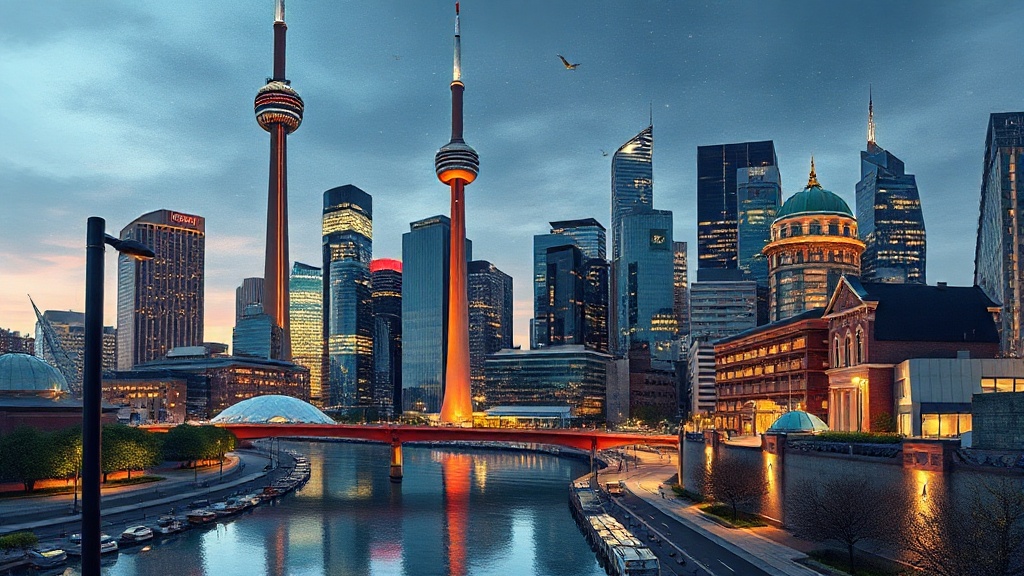
– The Toronto Islands offer a quick escape with beaches, picnic areas, and extensive trails; ferry schedules and seasonal operations are worth checking before you go.
– New parks and greenways provide ideal spots for running, cycling, or a relaxed picnic with skyline views.
– Public art installations and repurposed industrial buildings now serve as galleries, studios, and event venues, adding cultural depth to riverside strolls.
Impact on housing and local economy
Redevelopment brings new housing and retail activity, which can increase nearby property values and support local businesses.
At the same time, pressures on affordability are a concern for community groups advocating for inclusive planning.
Municipal frameworks increasingly emphasize a mix of housing types and community benefits to ensure that waterfront growth serves diverse populations.
Sustainability and community voice
Sustainability is woven into many projects through green roofs, native plantings, and energy-efficient design. Community consultation has become a core part of planning, influencing the location of parks, pedestrian routes, and affordable housing commitments. That participatory approach helps ensure the waterfront responds to local needs rather than serving only commercial interests.
Tips for visiting
– Travel by transit or bike where possible; parking near the core can be limited.
– Check program schedules and reservations for popular attractions and ferries.
– Bring layers — lakefront weather can shift quickly.
– Explore beyond the main piers: riverside trails, new parklands, and repurposed industrial sites often offer quieter, equally rewarding experiences.
Why it matters
The evolving waterfront reflects a broader urban shift toward resilient, people-centered places. As green infrastructure, cultural programming, and transit connections continue to expand, the waterfront is becoming a more democratic and dynamic part of Toronto’s fabric. It’s a place to watch, visit, and use — not just for leisure, but as an example of how cities can balance growth, climate adaptation, and quality of life.