Montreal: How to Experience the City Like a Local
Montreal blends European charm with North American energy, creating a compact city where culture, food, and green space are easy to access. Whether this is your first visit or a return trip, a few local habits and neighborhood picks will help you see the city beyond the highlights.
Neighborhoods to Explore
– Old Montreal (Vieux-Montréal): Cobblestone streets, historic architecture, and the Old Port make this area perfect for a relaxed stroll and waterfront views. Look for independent galleries, artisanal shops, and cozy cafés off the main tourist drags.
– Plateau-Mont-Royal and Mile End: Known for colorful row houses, vibrant street art, and an eclectic food scene. This is where you’ll find classic bagel shops, boutique bookstores, and a thriving coffee culture.
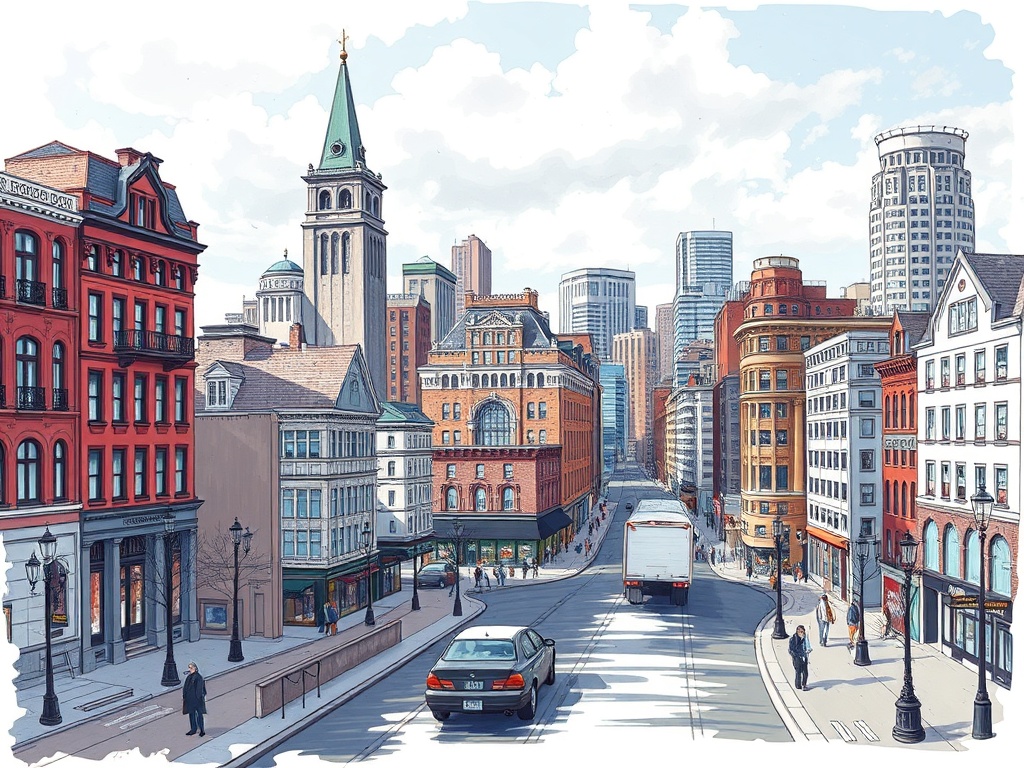
– Griffintown and Little Burgundy: Former industrial neighborhoods now full of design studios, contemporary condos, and trendy restaurants. Great for architecture walks and discovering emerging chefs.
– Verdun and Hochelaga: Up-and-coming pockets with riverside bike paths, neighborhood markets, and laid-back bars favored by locals.
Eat Like a Local
Montreal’s food scene mixes comfort classics and inventive modern cuisine.
Don’t miss being properly introduced to a Montreal bagel and comparing the two styles sold around the city. Try a hearty plate of poutine from a neighborhood spot, and track down a smoked-meat sandwich at an old-school deli. The city has also embraced plant-based and global flavors, so vegetarians and adventurous eaters will find plenty of creative options.
Markets and Parks
Markets are a good way to taste the city: bustling outdoor markets offer seasonal produce, local cheeses, and ready-to-eat street food.
For green space, Mount Royal Park offers panoramic views from its summit and is a favorite escape for joggers, picnickers, and families. The botanical garden and the array of riverside pathways add to a strong culture of outdoor living.
Culture and Nightlife
Montreal is renowned for its festivals, drawing international and local talent in music, film, and arts during warmer months. Museums and contemporary galleries present everything from historical collections to experimental installations. Nightlife ranges from intimate jazz bars to lively dance venues; checking neighborhood listings will reveal smaller shows and pop-up events often favored by locals.
Getting Around
The metro system is efficient and connects most neighborhoods, while buses and commuter trains cover peripheral areas. Bike-share services and an expanding light-rail network make short trips easy.
Walking is often the quickest way to soak in a neighborhood’s character—expect to cover lots of ground on foot.
Local Tips
– Language: French is the predominant language; a friendly “bonjour” goes a long way.
Many businesses operate bilingually, but basic French greetings are appreciated.
– Weather: Seasons are pronounced—dress in layers and be ready for weather changes when planning outdoor activities.
– Tipping: Standard service industry tipping practices are followed across restaurants and taxis.
– Safety: The city is generally welcoming and safe, though usual travel caution applies in crowded areas and late at night.
Why Visit
Montreal’s mix of historic charm, culinary creativity, and neighborhood diversity makes it a destination that rewards slow exploration. Spend time wandering streets, lingering in cafés, and sampling local specialties to get the most authentic experience. Whether you’re after museum and music scenes or a relaxed riverside afternoon, the city offers a well-balanced urban escape with plenty of surprises around each corner.