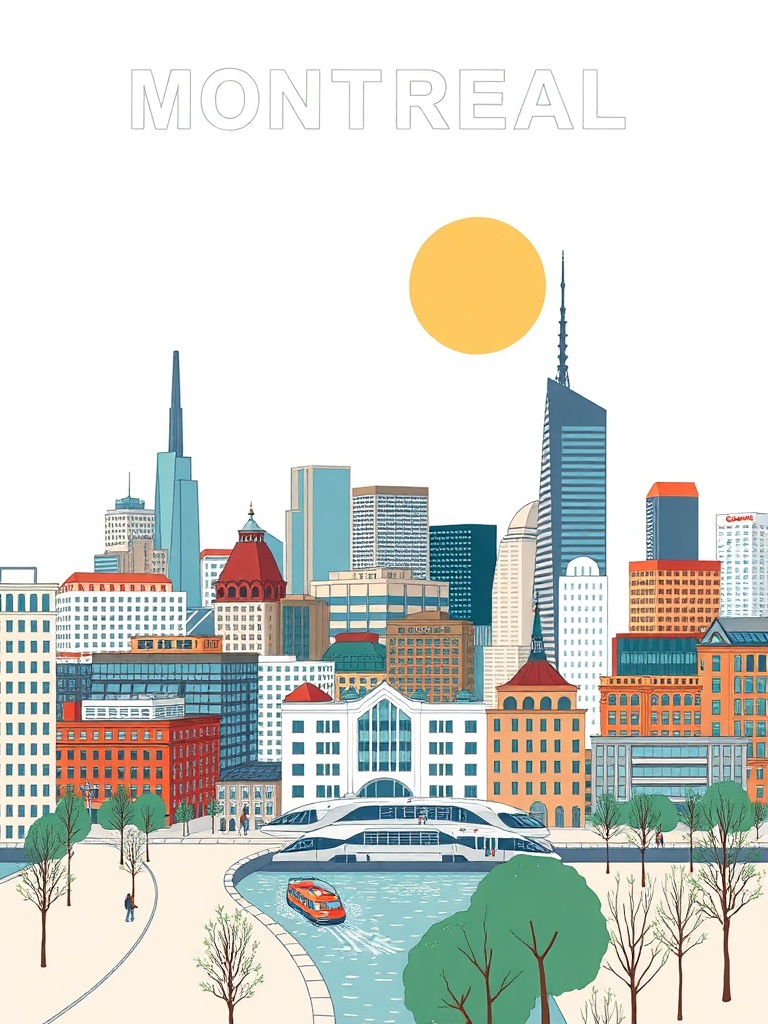
Montreal blends European charm with North American vibrancy, making it a perennial favorite for visitors, new residents, and creatives. From cobblestone streets in Old Montreal to leafy avenues on the Plateau, the city offers a mix of history, food, arts, and forward-looking urban design that keeps it feeling both familiar and fresh.
Neighborhoods to explore
Each neighborhood has a distinct personality.
Old Montreal showcases restored 18th-century architecture, waterfront promenades, and boutique hotels. The Plateau-Mont-Royal and Mile End neighborhoods pulse with colorful rowhouses, independent cafés, vinyl shops, and a thriving arts scene. Little Italy and Jean-Talon Market are perfect for sampling local produce, cheeses, and baked goods. For a calmer, riverside escape, Lachine and Verdun offer green pathways and waterfront parks that invite long walks and cycling.
A world-class food scene
Montreal’s culinary reputation reaches far beyond its iconic bagels and smoked meat sandwiches. Expect inventive bistros, multicultural restaurants, craft breweries, and specialty cafés around every corner. Food markets and specialty shops emphasize local and seasonal ingredients, while a growing community of chefs pushes boundary-blurring cuisine that reflects the city’s diversity. For quick bites, try a Montreal-style bagel from a wood-fired oven or a stacked smoked meat plate; for immersive dining, reserve a table at a chef-driven tasting menu.
Arts, culture, and festivals
Cultural life centers around dynamic institutions and year-round programming. Major performance venues and independent theaters present contemporary and classical offerings, while street-level public art and festivals activate neighborhoods throughout the calendar. The city’s bilingual vibrancy means performances, galleries, and screenings often celebrate both francophone and anglophone traditions alongside global influences.
Getting around sustainably
Montreal’s compact layout makes active transportation inviting. A dense metro network, expanded light-rail corridors, and an increase in separated bike lanes make commuting easier for residents and visitors. Shared micromobility systems and waterfront greenways encourage car-free exploration. Planning journeys around rush hours, and using multi-modal options, helps navigate the city efficiently.
Parks and outdoor life
Mount Royal is a signature green space offering panoramic city views and layered trails. Waterfront pathways along the St. Lawrence River create continuous connections for walking and cycling, while neighborhood parks host community events, outdoor fitness, and public art. Even urban plazas and courtyards feel like small escapes—perfect for a picnic, people-watching, or an evening concert.
Living and working
A thriving tech and creative sector attracts startups and remote workers, supported by co-working spaces and research institutions.
Neighborhoods balance rental and ownership options, with walkability and access to transit often driving housing choices.
Bilingualism remains an everyday asset in professional and social settings, where French predominates but English and other languages are commonly heard.
Practical tips
– Carry a transit card for easy access to buses and metro lines; many stations connect to major neighborhoods.
– Dress in layers: local weather can pivot between cool and warm within the same day, especially during transitional seasons.
– Try to learn a few basic French phrases; locals appreciate the effort and it enriches interactions.
– Reserve sought-after restaurants and cultural events in advance, especially on weekends.
Montreal continues to combine old-world character with modern urban living.
Whether exploring markets, cycling along the river, or diving into a gallery opening, the city rewards curiosity and offers new discoveries around every corner.