Montreal blends European charm with North American energy, creating a city that rewards repeat visits and first-time explorers alike. Whether you’re drawn by world-class cuisine, vibrant festivals, or leafy neighborhoods, Montreal offers a compact, walkable experience with layers of local flavor.
Neighborhoods worth wandering
– Old Montreal: Cobbled streets, striking architecture, and the waterfront make this a must-see. Art galleries, boutique shops, and atmospheric restaurants line the historic district. It’s tourist-friendly but still full of surprises around side streets and hidden courtyards.
– Plateau-Mont-Royal: Colorful row houses, street art, and indie cafés define the Plateau.
Stroll along Saint-Laurent and Saint-Denis for trendy shops, brunch spots, and nightlife that shifts from laid-back to lively as the evening progresses.
– Mile End: A creative hub with a strong artisan and music scene. Bagel shops, record stores, and tiny bakeries make this neighborhood ideal for slow exploration. It’s where local craft meets relaxed community energy.
– Griffintown and Saint-Henri: Once industrial, now revitalized with converted lofts, design-forward restaurants, and riverside pathways. These areas showcase contemporary Montreal living and are good bets for food-focused outings.
Food and drink
Montreal’s culinary identity is refreshingly diverse. Beyond famous bagels and smoked-meat delis, expect vibrant immigrant cuisines, refined bistros, and an evolving farm-to-table movement.
Brunch culture is robust; latte shops and weekday cafés fill with locals working remotely. Don’t miss the city’s patisseries and dessert bars if you have a sweet tooth.
Getting around
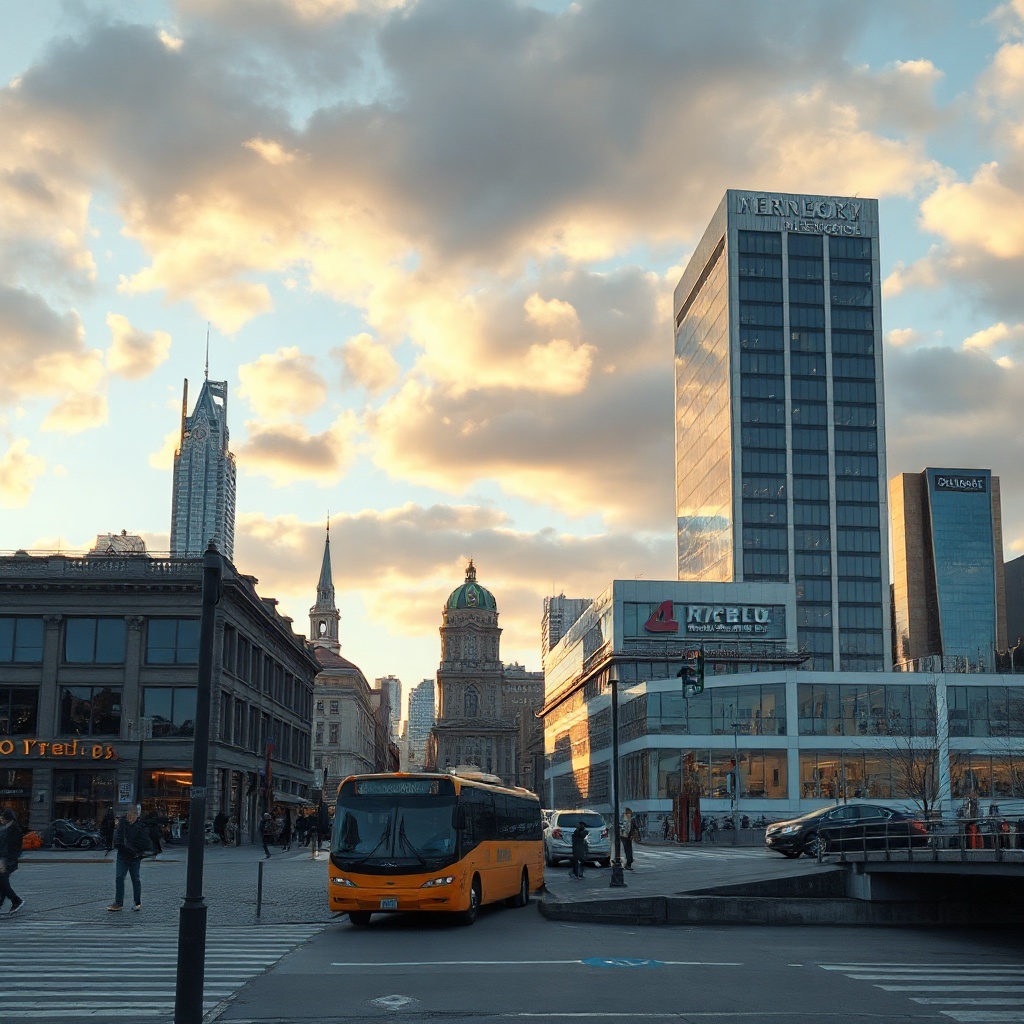
The metro system is efficient for core travel, and buses fill in larger gaps.
Bike-sharing options and an expanding network of protected bike lanes make cycling a practical way to explore, especially on mild days. Ride-hailing and car-sharing are widely available if you need more flexibility. Parking can be limited in central neighborhoods, so plan accordingly when driving.
Culture and events
Montreal’s arts scene is dynamic and approachable.
Small galleries sit beside major performance venues, and street-level installations pop up throughout cultural districts. Seasonal festivals activate the city’s public spaces, showcasing everything from music and dance to food and film. Even outside major events, there’s a steady calendar of performances, markets, and community gatherings.
Practical tips for visitors
– Language: French is the primary language, but most service workers speak English. A few basic French phrases are appreciated and often welcomed.
– Weather: Montreal’s climate changes quickly across seasons. Layering makes sense for unpredictable days, and comfortable walking shoes are essential for cobbled streets and hill climbs.
– Tipping and customs: Standard service expectations align with North American norms.
For dining and personal services, leaving a tip for good service is customary.
– Safety and accessibility: Like any major city, keep common-sense precautions in mind, especially at night. Accessibility varies by neighborhood and venue, so checking ahead for specific needs is recommended.
Why Montreal stands out
The city’s compact scale makes it easy to pack diverse experiences into a short trip.
Historic districts, creative neighborhoods, and a thriving food scene combine in a walkable urban fabric that feels both cosmopolitan and intimate. For repeat visitors and newcomers, Montreal continues to reveal new corners, flavors, and events that reward curiosity and slow exploration.