Explore Canada: top experiences, practical tips, and sustainable travel ideas
Canada is a vast, varied destination that rewards curiosity. From dramatic mountain peaks to vibrant urban neighborhoods and remote Arctic tundra, the country offers experiences for nature lovers, foodies, culture buffs, and adventure seekers alike. Use this guide to plan a memorable, responsible trip that balances iconic sights with lesser-known gems.
Must-see landscapes and outdoor adventures
– The Rocky Mountains deliver classic alpine scenery, glacier-fed lakes, and a network of scenic drives and hiking trails. Popular mountain towns serve as gateways for day hikes, wildlife spotting, and photography.
– Coastal regions offer rugged shorelines, whale watching, sea kayaking, and island-hopping routes. East-coast lighthouses and west-coast temperate rainforests present two very different coastal atmospheres.
– The northern territories are prime for witnessing the aurora, guided snowmobile or dog-sled excursions, and culturally immersive Indigenous experiences. Remote reserves and national parks invite quiet wilderness exploration.
Cities and cultural highlights
– Major cities blend world-class dining, festivals, music scenes, and historic districts. Walkable neighborhoods, local markets, and public art make urban exploration rewarding.
– Indigenous-led tours, museums, and galleries are increasingly accessible across the country, offering important perspectives on culture, history, and contemporary arts.
– Culinary highlights range from farm-to-table restaurants and craft breweries to regional specialties like seafood on the Atlantic coast and diverse multicultural offerings in metropolitan areas.
Wildlife and unique encounters
Responsible wildlife viewing is a highlight for many visitors. Zodiac tours, guided safaris, and regulated observation platforms increase the chance of seeing whales, bears, caribou, and bird migrations while minimizing disturbance. Always follow guidelines from parks and tour operators to keep animals and people safe.
Practical travel tips
– Entry requirements vary by nationality and mode of travel; many air travelers need an electronic travel authorization (eTA) while visitors from some countries require a visa. Check official government sources before booking.
– Distances are large, so plan realistic travel time between regions.
Combining flight segments with scenic drives can maximize time on the ground.
– Weather can change rapidly, especially in mountain and northern areas; pack layers and gear for variable conditions.
For outdoor activities, bring sturdy footwear, a daypack, and basic safety gear.
– Book popular accommodations and guided excursions well in advance for peak seasons; consider shoulder-season travel for fewer crowds and lower prices.
Sustainable travel ideas
– Choose certified eco-friendly lodges and tour operators that support conservation and community initiatives.
– Reduce impact by staying on designated trails, using refillable water bottles, and minimizing single-use plastics.
– Support local economies by dining at independent restaurants, buying crafts from Indigenous artists, and choosing locally guided experiences.
Off-the-beaten-path inspiration
– Lesser-known provincial parks and small towns often offer charming stays, scenic hikes, and authentic cultural exchanges with fewer crowds.
– Consider road-trip loops that highlight regional food trails, wineries, and historic routes for leisurely discovery away from major tourist corridors.
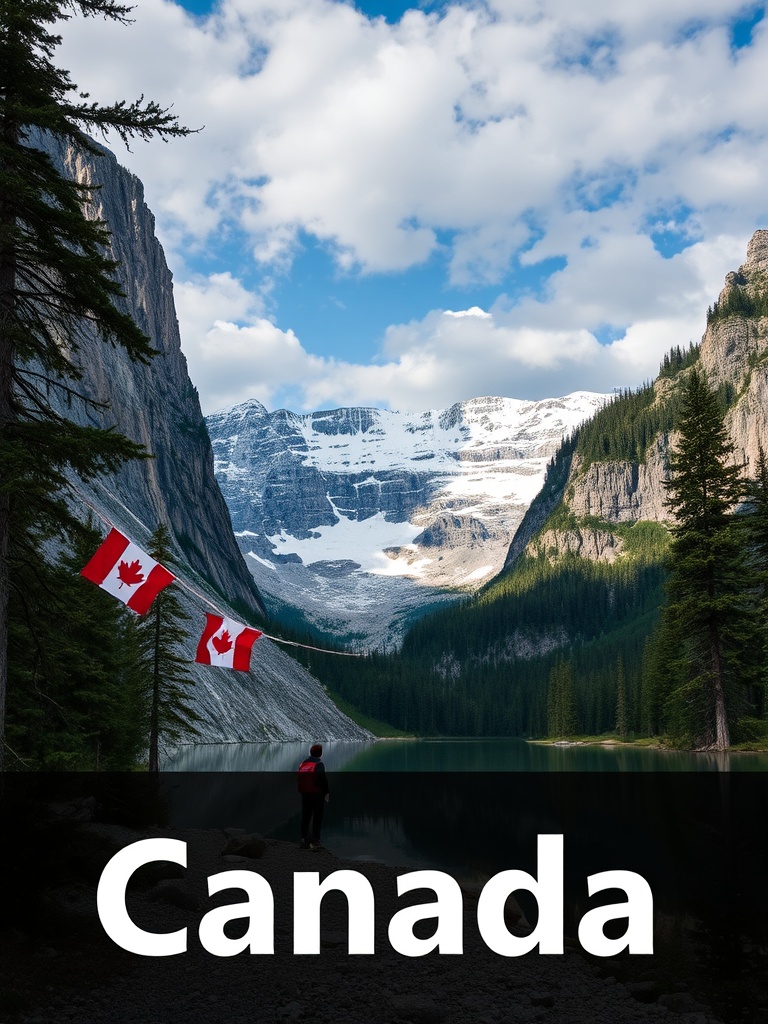
Whether seeking rugged adventure, peaceful nature, or dynamic urban life, a well-planned trip to Canada can satisfy a wide range of travel styles. Focus on respectful, low-impact experiences and local connections to leave with meaningful memories and positive contributions to the places you visit.