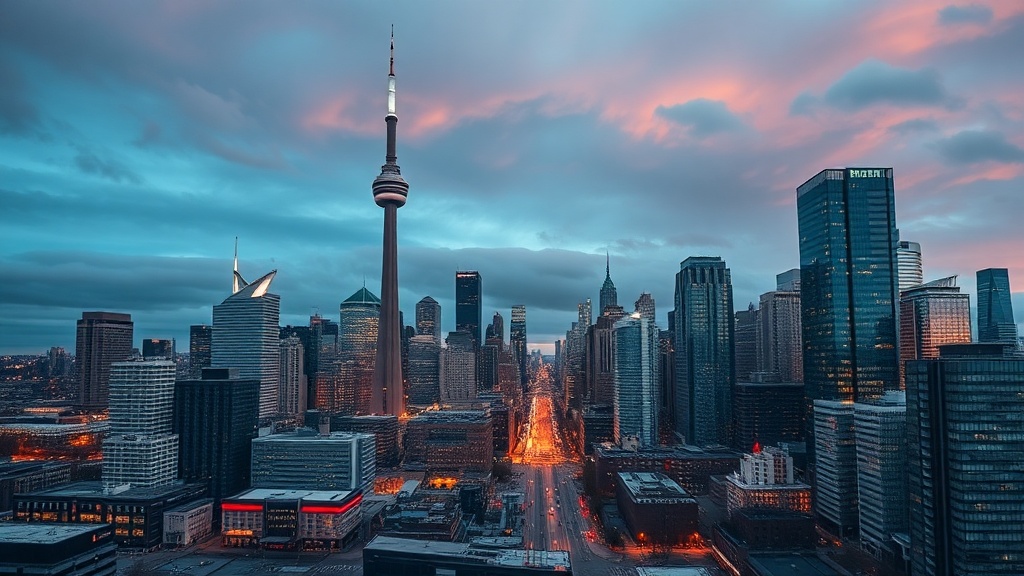
Toronto is changing fast — and the shifts under way are reshaping how people live, work and play across the city. Two big forces driving that change are major transit expansion and waterfront revitalization.
Together they’re unlocking new neighbourhoods, improving commutes, boosting local businesses and adding much-needed public green space.
Transit expansion: faster, more connected travel
Toronto’s transit network is expanding beyond isolated projects into a more integrated system. New rapid transit lines and upgraded regional rail are making trips across the city and the broader region faster and more reliable. That means neighbourhoods that were once a long commute away are becoming practical choices for daily life.
For commuters, improved service translates into shorter door-to-door travel times and less congestion on key corridors. For businesses, it opens access to a larger pool of talent and increases foot traffic for retail and hospitality. The ripple effects include rising demand for housing near major stations and an uptick in mixed-use developments that prioritize walkability and local amenities.
Waterfront revitalization: from industrial edges to public places
Toronto’s waterfront has been evolving from an industrial shoreline into a connected system of parks, promenades, cultural venues and mixed-use development. Large-scale flood protection projects and environmental remediation are enabling new public spaces and safer communities along the lake.
The new waterfront landscape emphasizes accessibility and recreation: continuous pedestrian and cycling paths, expanded green spaces, and cultural hubs that host markets, festivals and public art.
This transformation is also driving private development that integrates retail, offices and housing with the public realm — helping the shoreline feel like a cohesive part of the city rather than a divided edge.
Neighbourhoods to watch
Areas bordering expanded transit corridors and the waterfront are attracting attention. Some former industrial districts are becoming vibrant residential and creative clusters. Expect to see more cafes, independent shops, co-working spaces and local services appearing where transit and waterfront improvements meet walkable streets.
What residents and investors should consider
– Commute patterns: Evaluate new travel options, including faster regional rail and expanded subway lines, before deciding where to live or locate a business.
Travel times today won’t be the same as travel times after planned expansions come online.
– Amenities and public spaces: Proximity to parks, waterfront trails and cultural venues boosts quality of life and tends to support steady neighbourhood demand.
– Community impact: Major projects bring both benefits and disruption. Construction can be prolonged, but long-term gains often include improved resilience, better flood protection and more usable public land.
– Sustainable choices: New developments increasingly prioritize green building practices, active transit access and low-carbon infrastructure.
These features can reduce operating costs and align with growing demand for sustainable living.
Tips for exploring the evolving city
Take advantage of new and expanded trails to explore the waterfront by foot or bike. Try public transit for short trips to get a feel for how service changes affect travel. Visit emerging neighbourhoods during community events to gauge local character and discover businesses that are shaping the next phase of Toronto’s urban life.
A connected, resilient city
Transit expansion and waterfront revitalization are creating a more connected, resilient Toronto that prioritizes people over cars, public space over vacant lots, and climate-ready infrastructure over short-term fixes.
For residents, businesses and visitors alike, these changes mean more choices — for how to get around, where to live and how to enjoy the city’s iconic lakefront.
Keep watching these developments; the city’s geography and daily rhythms are adapting in ways that will influence life here for decades to come.